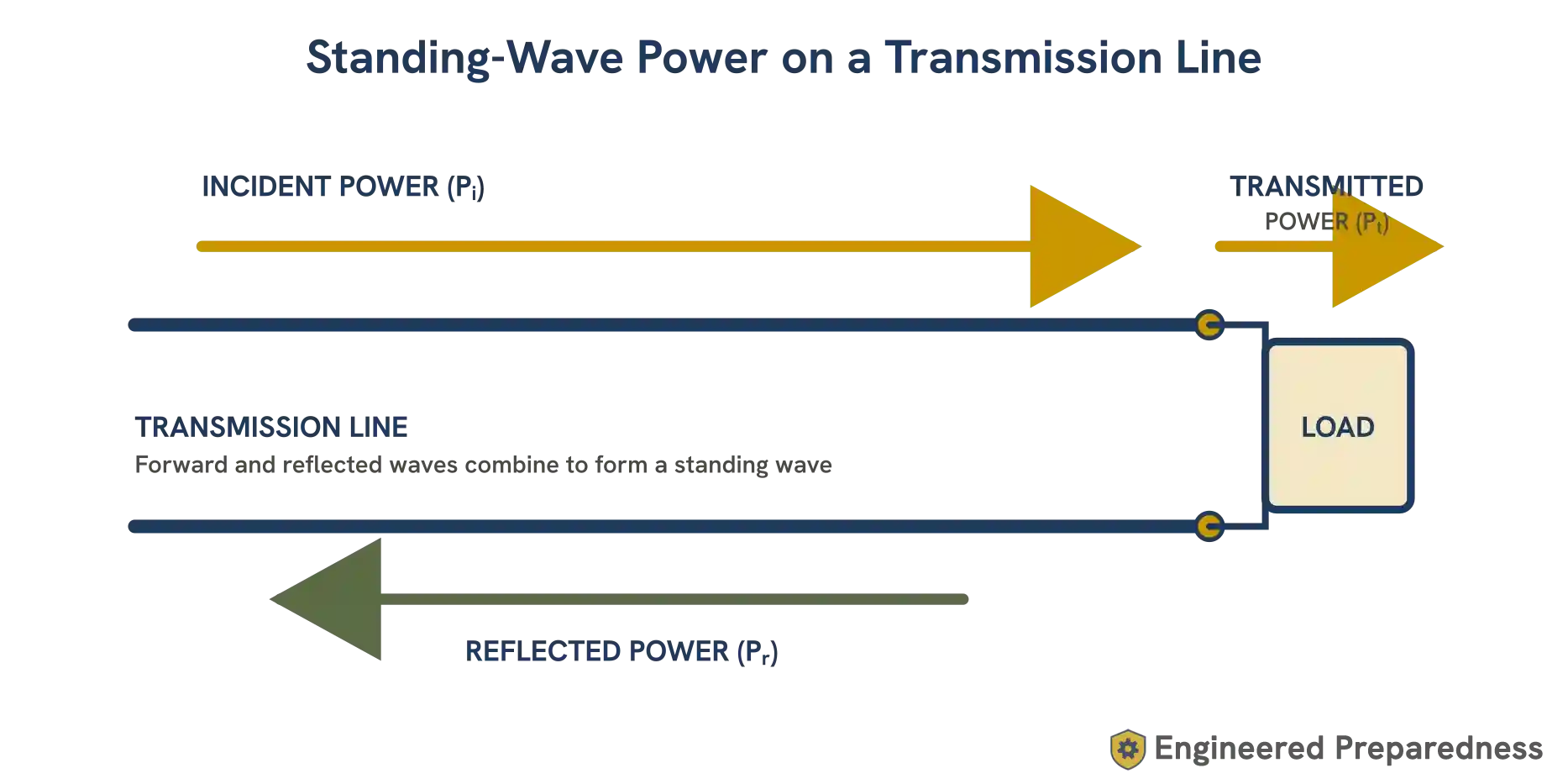
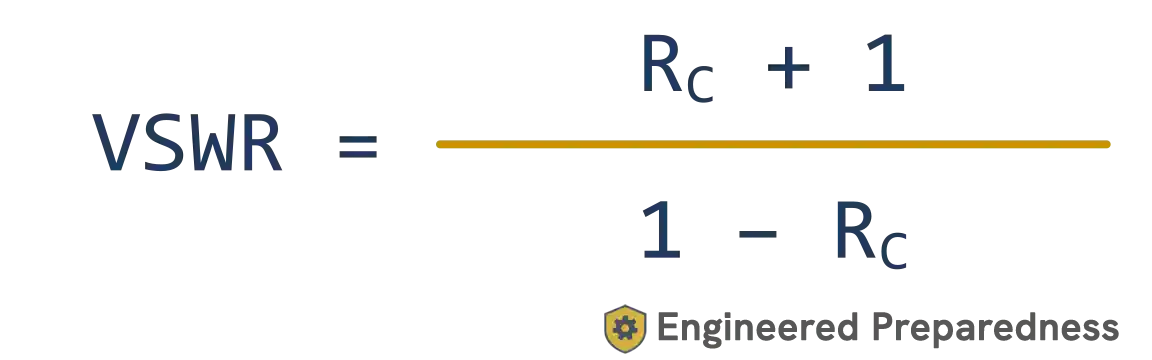
When sending frequencies down a conductor, if there is any 'mismatch' in the line or between the line and the antenna, some of those frequencies (or a portion of them) will be reflected back
When sending frequencies down a conductor, if there is any “mismatch” in the line or between the line and the antenna, some of those frequencies (or a portion of them) will be reflected back toward the transmitter. The ratio of this reflection to what is being sent is referred to as the Standing Wave Ratio (SWR). An SWR of 1.0 is considered a “perfect” match - there is no reflection. As the number increases, more is being reflected to the transmitter.
If the amount of reflection is too high, then the transmitter will become damaged. As a result, it’s extremely important that antennas be constructed / tuned properly to minimize the SWR at the frequency being operated at.
While a SWR of 1.0 is the goal, it’s unrealistic in most real-world circumstances. As a result, some amount of reflection is to be expected and considered “OK”. While the amount that is safe is largely dependent upon the transmitter electrical design, it’s generally viewed that below 1.5 is considered “safe” for all transmitters and some can go as high as 2.0 before experiencing issues.
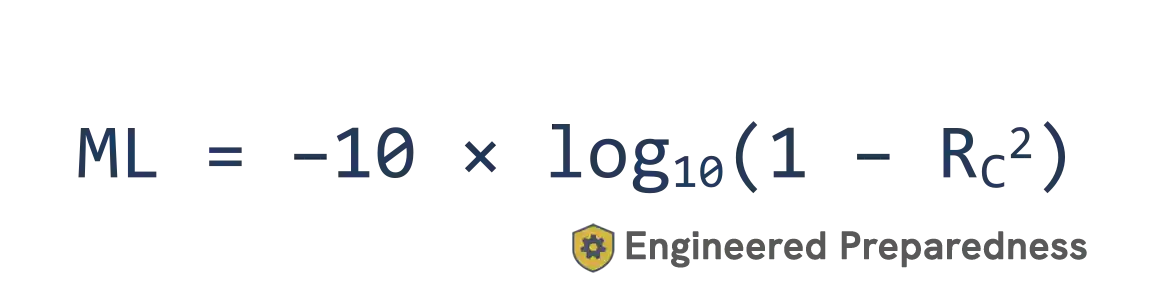
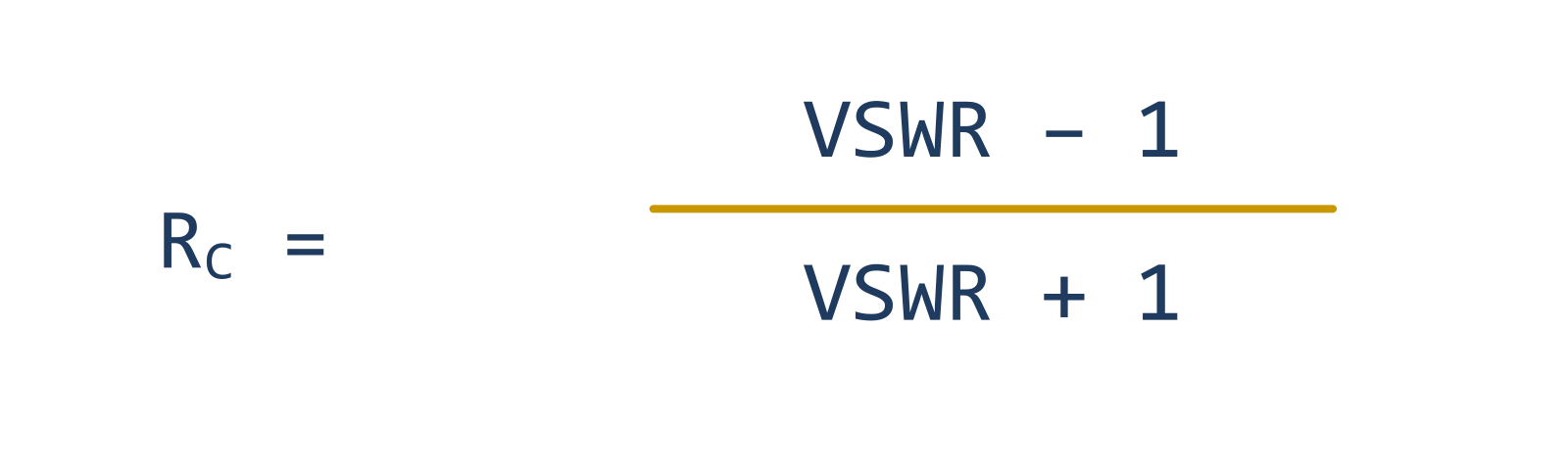
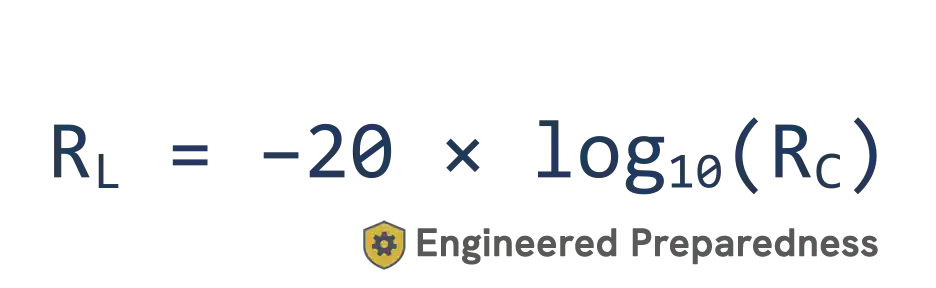
Where: