Threats  /  Identity Theft

Identity Theft

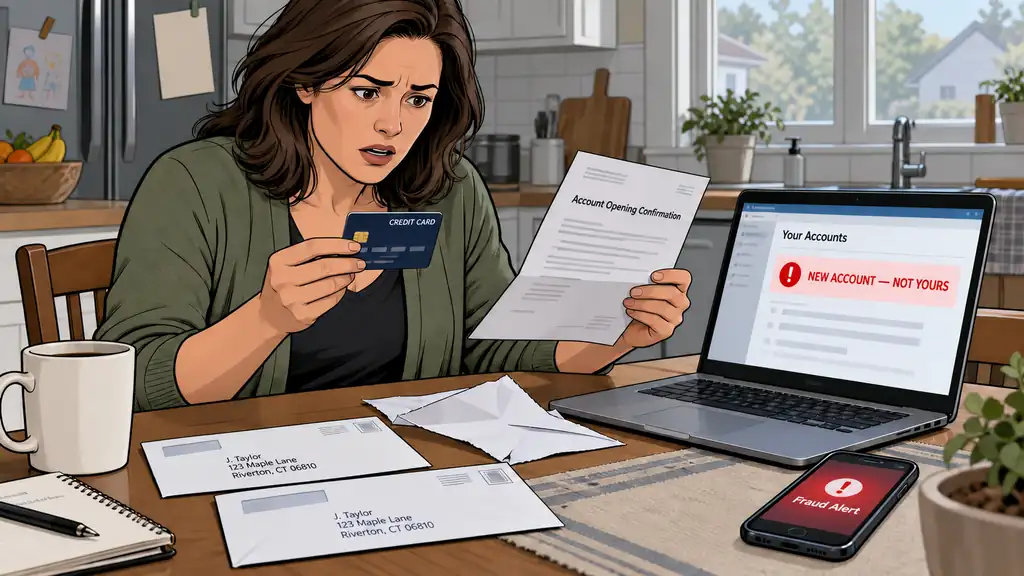
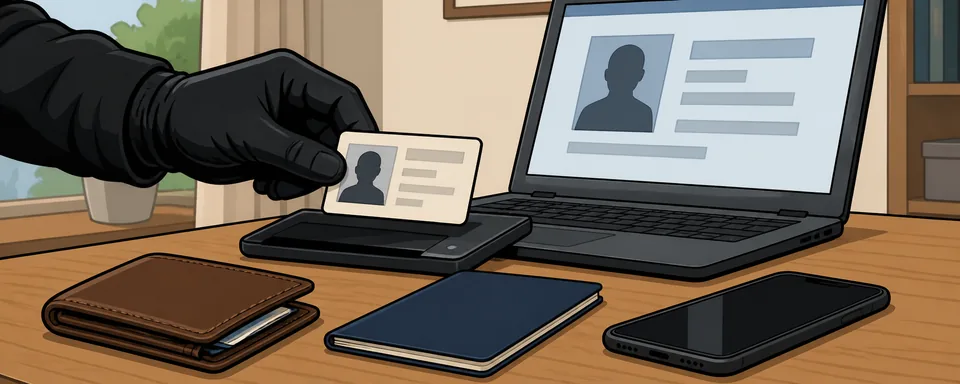
Someone becomes you — new accounts and loans opened in your name, tax or benefit fraud — and months of work to prove who you are.
ScopePersonalCauseCivilDriven byPreparednessImpactModerateLikelihoodUnlikely
Identity Theft
Why it matters

What Identity Theft would mean for you

Three numbers decide how important Identity Theft is to your preparedness planning. Impact and Likelihood are general baselines. Vulnerability depends on how prepared you are for this threat.

ImpactModerate5/9
NegligibleCatastrophic

Identity theft doesn't threaten your safety, but the damage is measured in time - a serious takeover means months, sometimes more than a year, of shutting down accounts opened in your name, untangling tax or benefit fraud, and repairing your credit - a moderate Impact that earns its place through sheer duration, not physical danger.

LikelihoodUnlikely4/9
RareFrequent

Full account takeover - new accounts in your name, tax or benefit fraud - is far less common than a skimmed card number, but constant data breaches make everyone's identifiers available, so it's a real, recurring risk rather than a rare one.

VulnerabilityNot rated
NegligibleCatastrophic

This number is yours. It measures how hard Identity Theft would actually hit your household given what you already have in place. Rate it in Threat Planning — then all three multiply into your personal threat rating.

Rate it in Threat Planning →

General baselines — How we rate threats →

Be ready

Preparing for Identity Theft

Concrete moves that lower your Vulnerability. Add any of them and we'll track it as an action on your threat list.

Add to my threat list
Freeze your credit at all three bureaus.
Use a password manager and unique passwords with 2FA.
Watch statements and set up account alerts.
Shred sensitive mail and store key documents securely.
Learn more

Articles on Identity Theft

Act on it

Tools for Identity Theft

Make Identity Theft part of your plan

Add it to your personal threat list, score it for your own household, or pull the real hazard data for your county.