Threats  /  Death of a Provider

Death of a Provider

The hardest household disruption. Insurance, documents, and a plan that keeps the family steady through grief.
ScopePersonalCausePersonalDriven byPreparednessImpactMajorLikelihoodUnlikely
Death of a Provider
Why it matters

What Death of a Provider would mean for you

Three numbers decide how important Death of a Provider is to your preparedness planning. Impact and Likelihood are general baselines. Vulnerability depends on how prepared you are for this threat.

ImpactMajor8/9
NegligibleCatastrophic

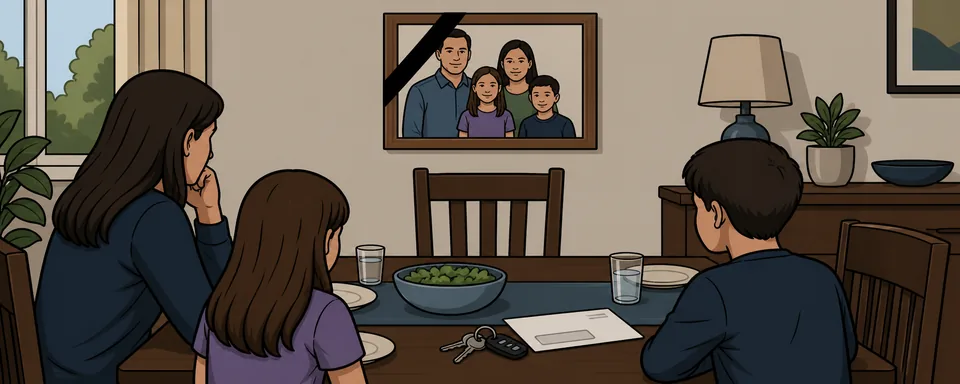
The loss of a primary earner or caregiver permanently reshapes a household - it takes away an income for good, not for a while, and an unprepared family can lose its home and the life it had - a major, lasting Impact that stops short of the very top only because the survivors, unlike the person lost, do recover in time.

LikelihoodUnlikely3/9
RareFrequent

Not something most families face in any given decade, so the Likelihood is low even though it eventually reaches everyone.

VulnerabilityNot rated
NegligibleCatastrophic

This number is yours. It measures how hard Death of a Provider would actually hit your household given what you already have in place. Rate it in Threat Planning — then all three multiply into your personal threat rating.

Rate it in Threat Planning →

General baselines — How we rate threats →

Be ready

Preparing for Death of a Provider

Concrete moves that lower your Vulnerability. Add any of them and we'll track it as an action on your threat list.
Add to my threat list
Carry term life insurance sized to your dependents' needs.
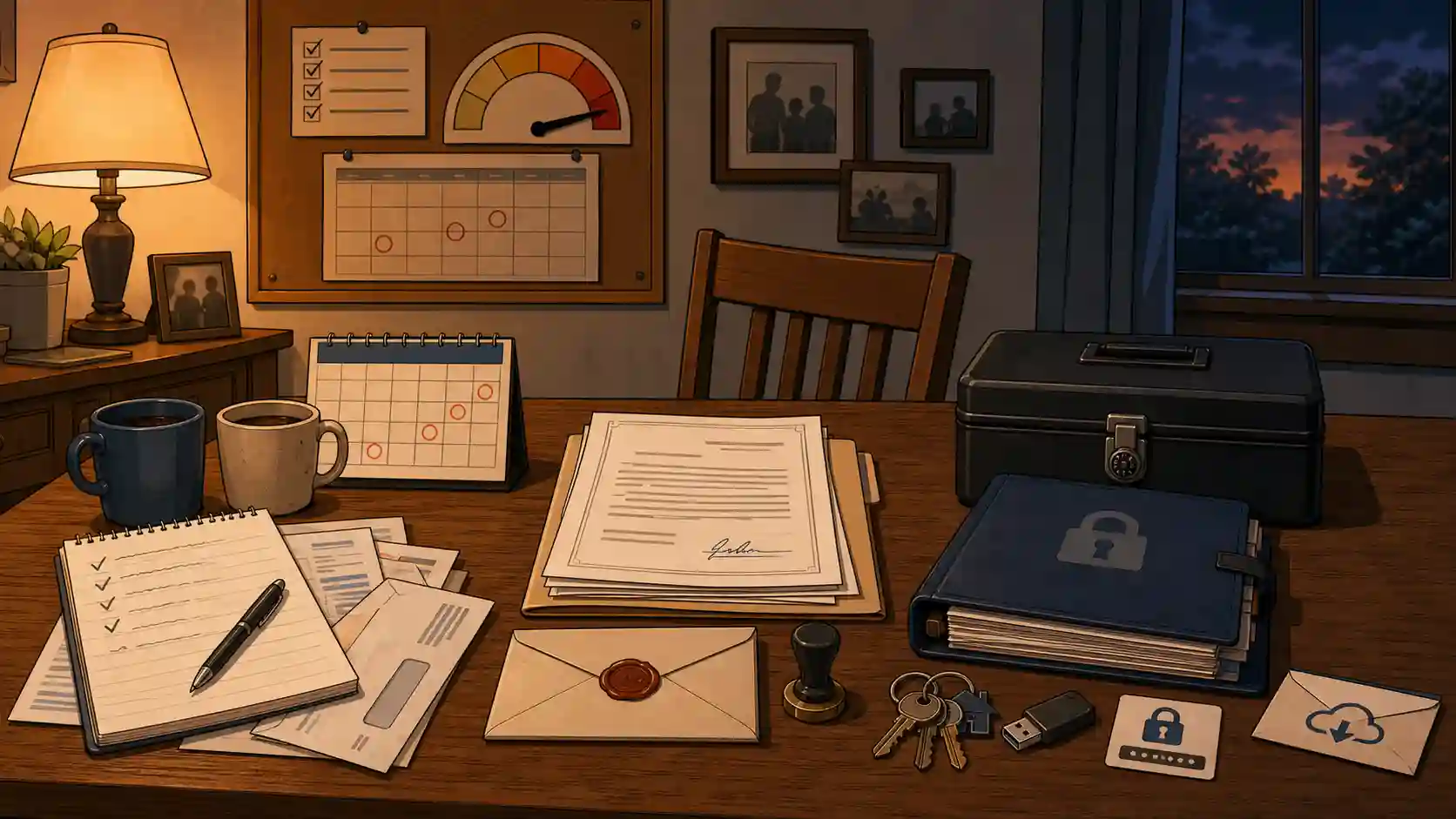
Keep a will, beneficiaries, and account access documented and findable.
Make sure more than one person can run the household finances.
Keep an accessible reserve so the family isn't cash-stranded immediately.
Learn more

Articles on Death of a Provider

Act on it

Tools for Death of a Provider

Make Death of a Provider part of your plan

Add it to your personal threat list, score it for your own household, or pull the real hazard data for your county.