General is the front door. Before you weigh water targets or rate threats, it helps to understand what preparedness actually is — a calm, ongoing process of getting a little more ready every day, not a one-time shopping spree or a doomsday hobby. This is where the foundational ideas live: how the framework fits together, what to do first, and how to think about risk without fear.
It’s also where the cross-cutting questions go — the ones that don’t belong to any single category but shape all of them. How much is enough, how to involve your family, how to make steady progress without burning out. Get these right and every other topic on this site gets easier.
 Deep Dive
FEMA's National Household Survey is the only real data on how prepared average Americans are. The 2023 numbers say 53.7% have no emergency supplies assembled — and that's a planning input for you, not a punchline.
 Primer
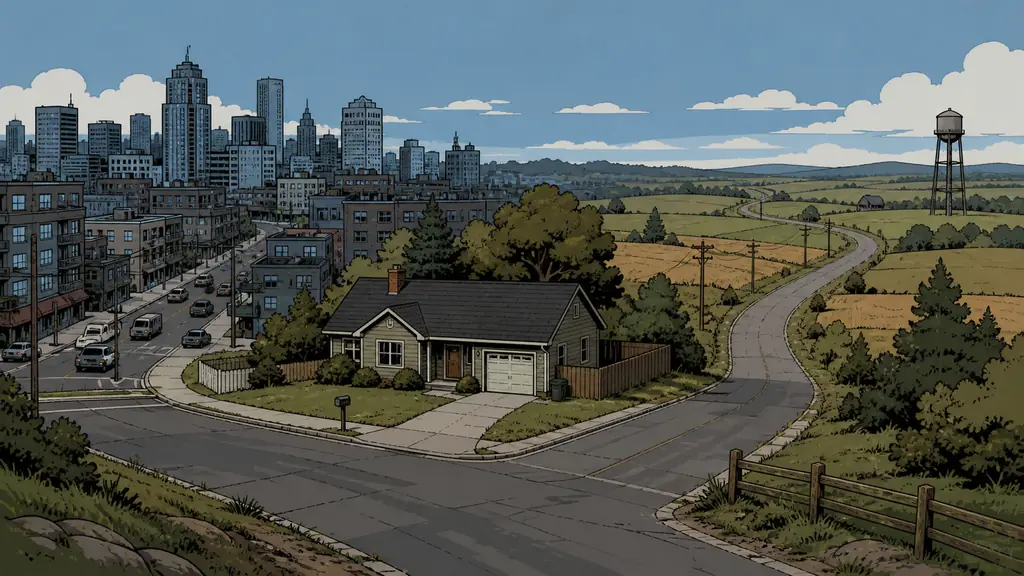
There's no universal prepper checklist. Roughly 83% of Americans live in cities standing on three fragile systems — and population density, not gear, sets the real size of the problem you're preparing for.
 Reality-Check
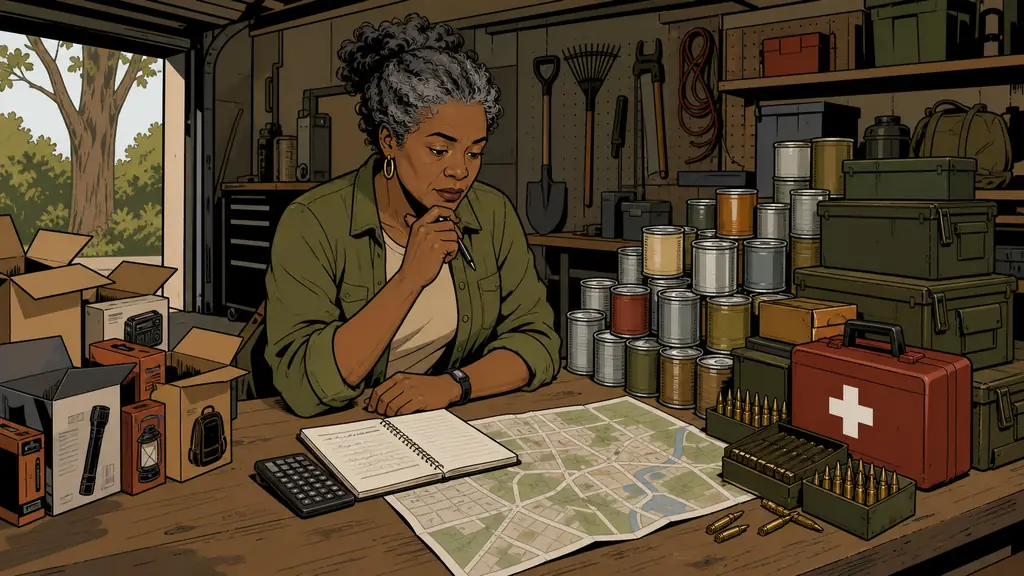
A stockpile is an answer to a question you never asked. Real preparedness starts with a baseline and a threat list — the boring, unglamorous work that decides whether any of the gear was worth buying.
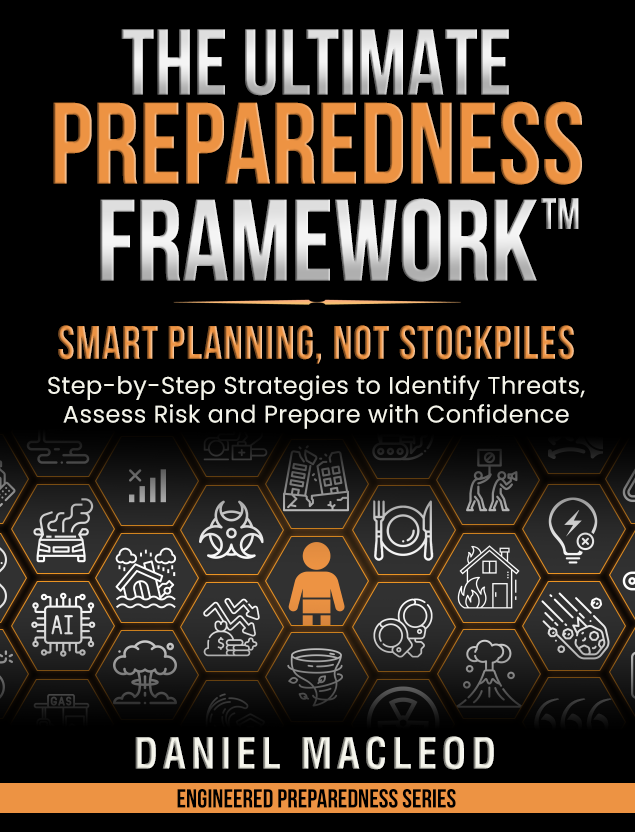
Chapters 1–3 are the foundation this hub covers — what preparedness actually is, the method behind it, and how to organize the work. If you read one part of the book first, read those.
