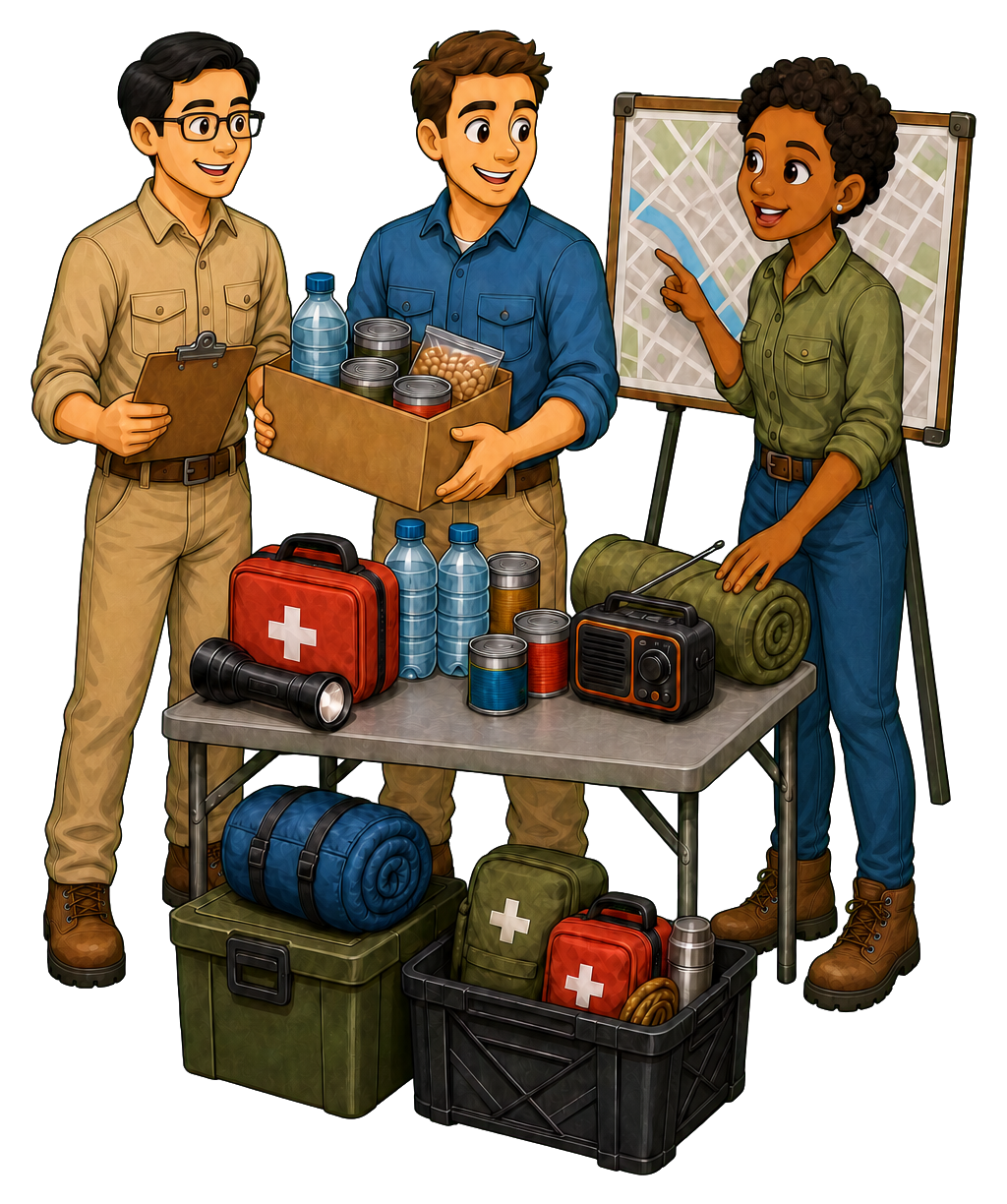
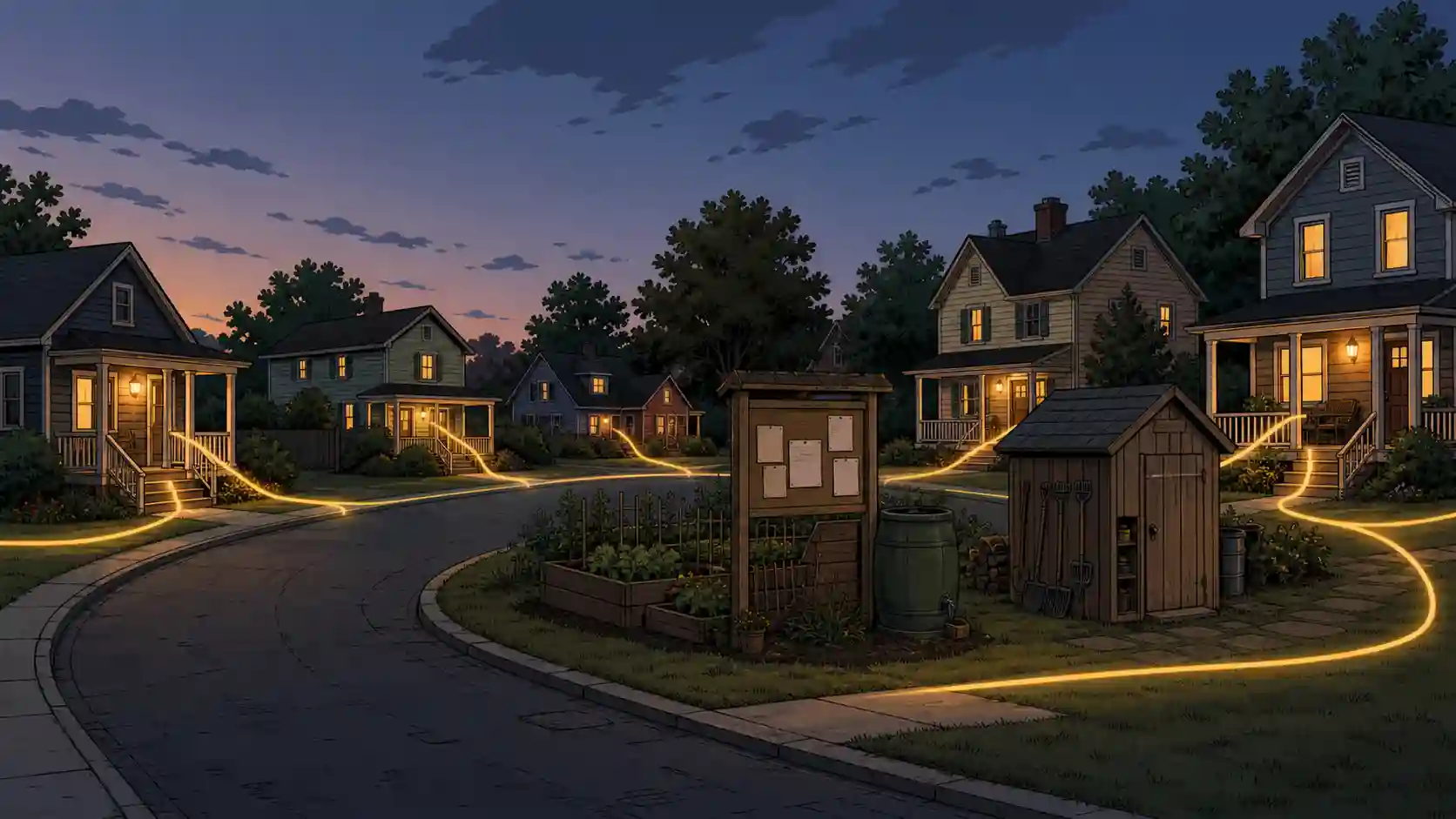
Community is the multiplier the prepper stereotype gets exactly backwards. The lone family bunkered behind a stocked pantry is far more fragile than a connected street where one neighbor has medical training, another has tools, a third has a generator, and all of them know to check on the elderly couple at the end of the block. No household can be an expert at everything — but a community can.
It’s also the most human work here, and the easiest to put off. Knowing which neighbors you’d coordinate with before the emergency, sharing a plan, trading skills, and quietly building the trust that turns a street into a network — none of it costs money, and all of it pays off precisely when the systems you rely on every day stop answering.
 Editorial
Lone wolves are not the path to preparedness - resilient communities are.
 Editorial
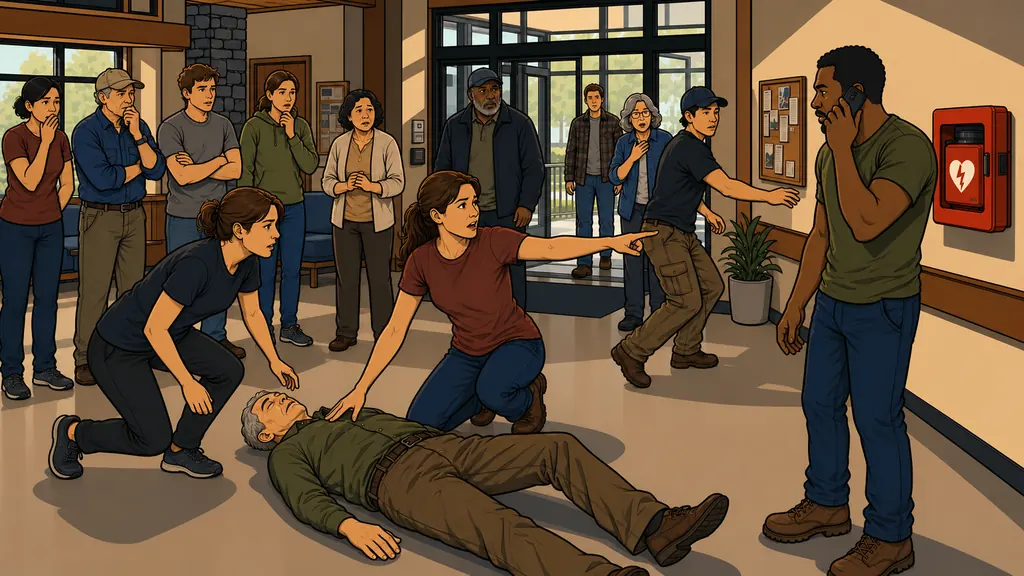
The bystander effect isn't a character flaw. It's the default. And a prepared community usually needs one person to break it before anyone else moves.
 Editorial
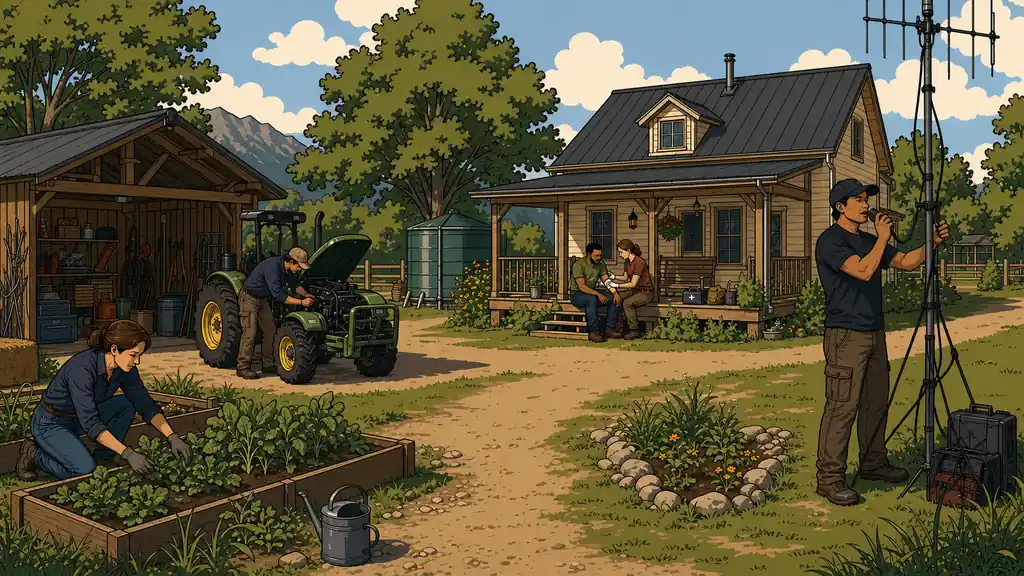
The lone prepper's real bottleneck isn't gear. It's that one person can't be the medic, the mechanic, the farmer, and the security element at the same time.
Chapter 2 makes the case in “Survival Requires a Community”, and Chapter 7 — Identify People — is the practical half: working out who is actually around you, and who matters.
