Shelter is the category everything else depends on. A livable home is what keeps your water drinkable, your food good, your family together, and your whole plan in one place. The moment a home stops being livable — extreme heat with no power, deep cold with no heat, a structural threat — every other preparation gets harder at the same time.
The work here is unglamorous and high-leverage: weatherizing for the swings your county actually sees, lining up backup heat and cooling that don’t lean on the grid, and deciding — calmly, in advance — the line that tells you it’s time to go. Knowing when to leave is as much a part of shelter as knowing how to stay.
 Deep Dive
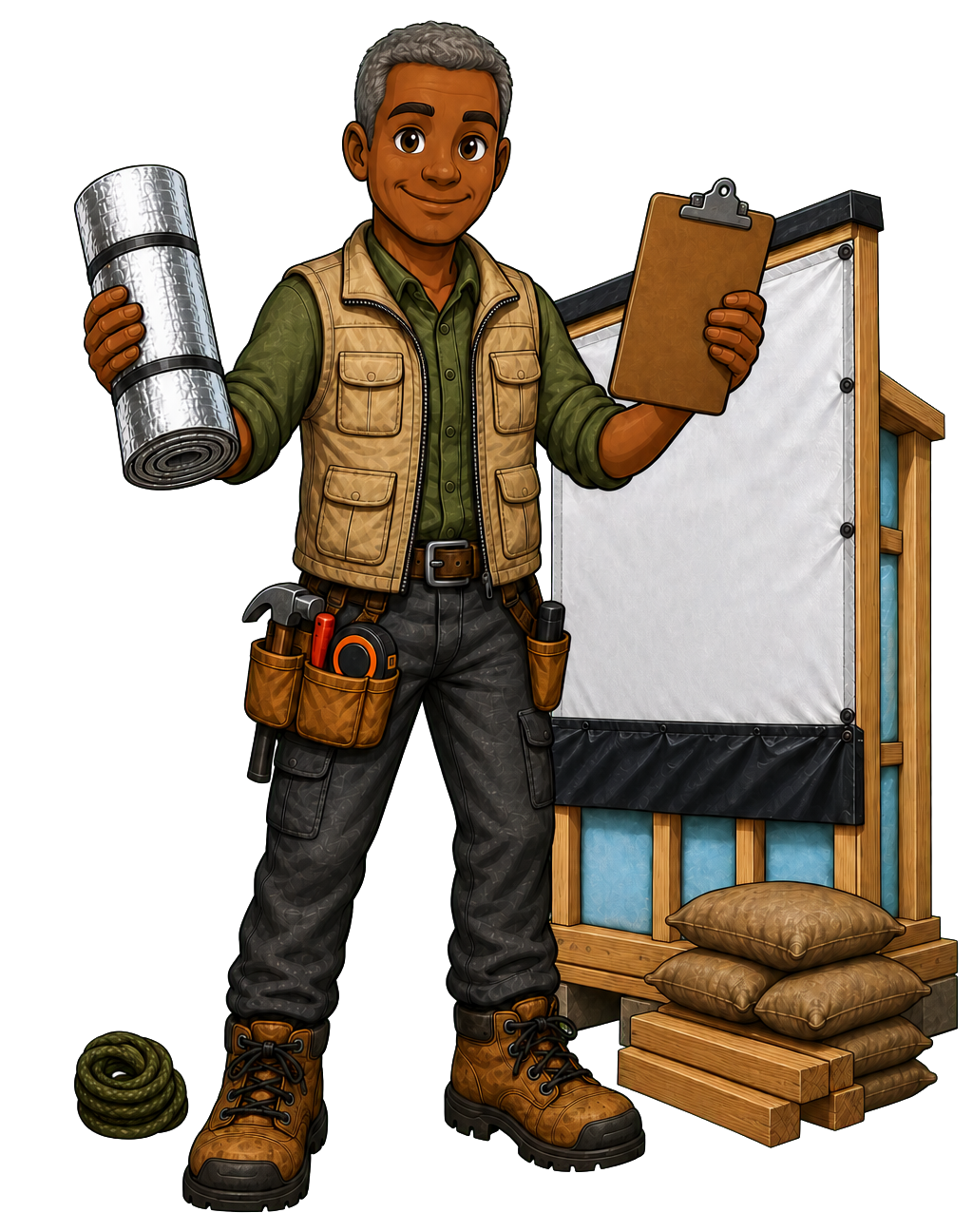
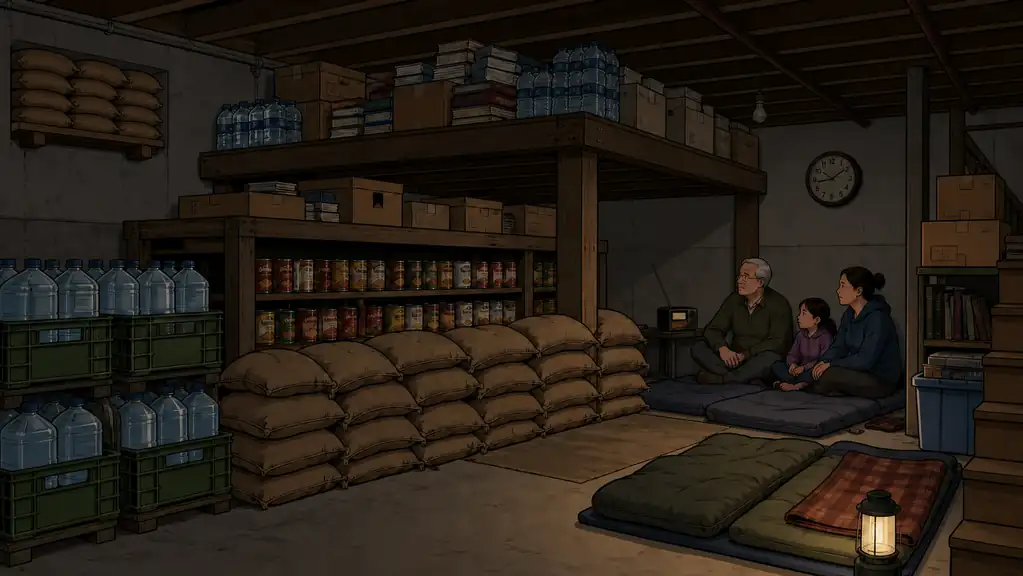
The mushroom cloud gets the fear. The thing that actually kills people downwind is a dose — and a dose is just rate times time, which are two levers you can shrink.
 Deep Dive
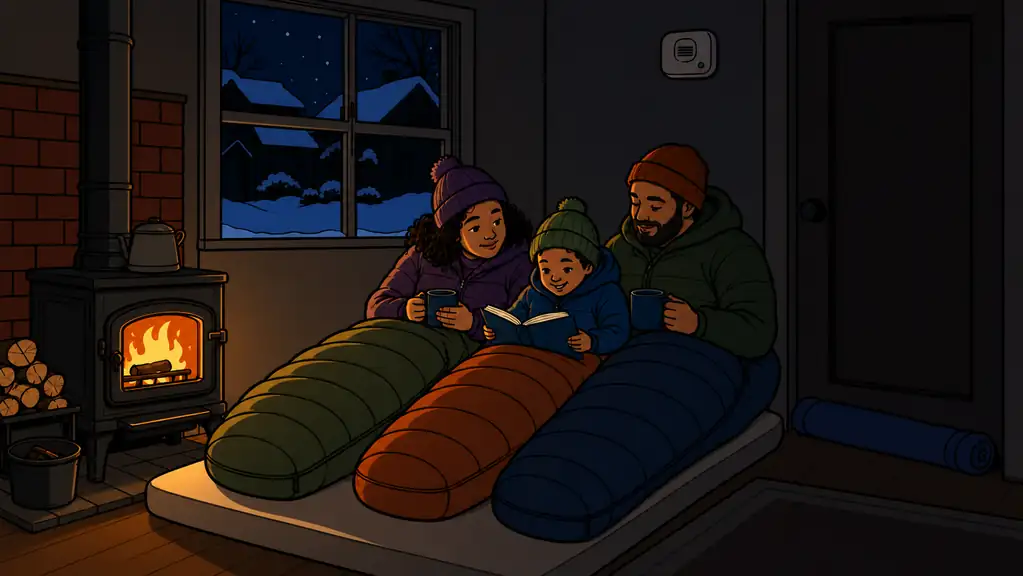
The rule is three hours without shelter, and your furnace quits the moment the grid does. A real backup-heat plan is measured in fuel and square feet, not good intentions.
 Reality-Check
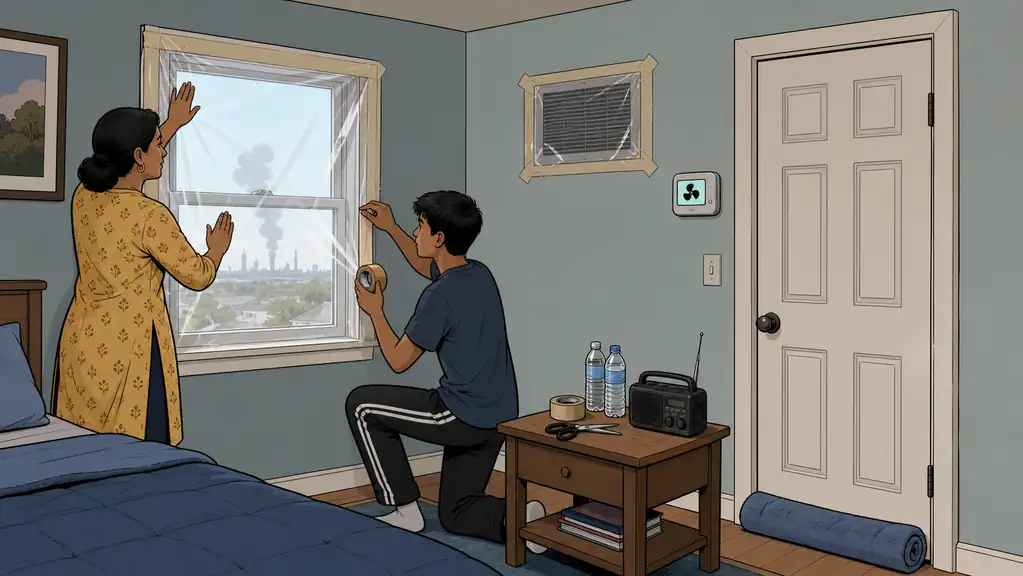
For a chemical release or heavy smoke, the air outside is the threat, and running into it is the mistake. But so is doing nothing. The prep is a room you can seal, fast.
The book approaches shelter through Chapter 4, Preparedness Zones — your Area of Operation is the ground you plan to hold. The specifics become a written plan through Category Plans in Chapter 14.
