Threats  /  Carbon Monoxide or Gas Leak

Carbon Monoxide or Gas Leak

Silent and preventable. Detectors with fresh batteries and the ventilation rules that make backup heat safe.
ScopePersonalCauseHealthDriven byPreparednessImpactCatastrophicLikelihoodUnlikely
Carbon Monoxide or Gas Leak
Why it matters

What Carbon Monoxide or Gas Leak would mean for you

Three numbers decide how important Carbon Monoxide or Gas Leak is to your preparedness planning. Impact and Likelihood are general baselines. Vulnerability depends on how prepared you are for this threat.

ImpactCatastrophic9/9
NegligibleCatastrophic

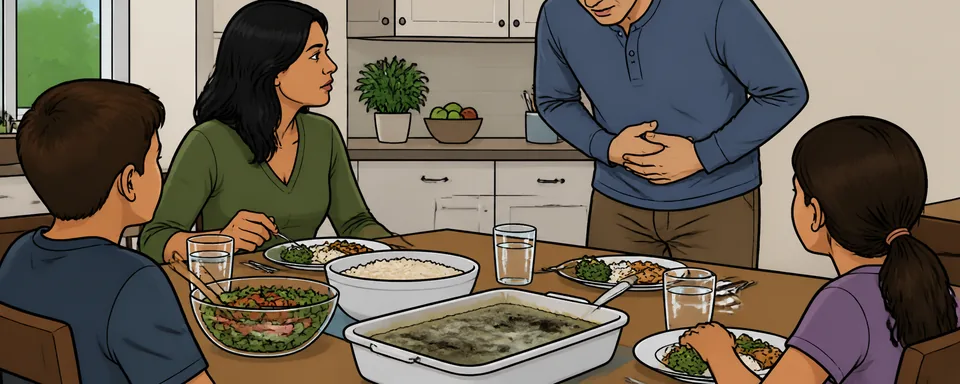
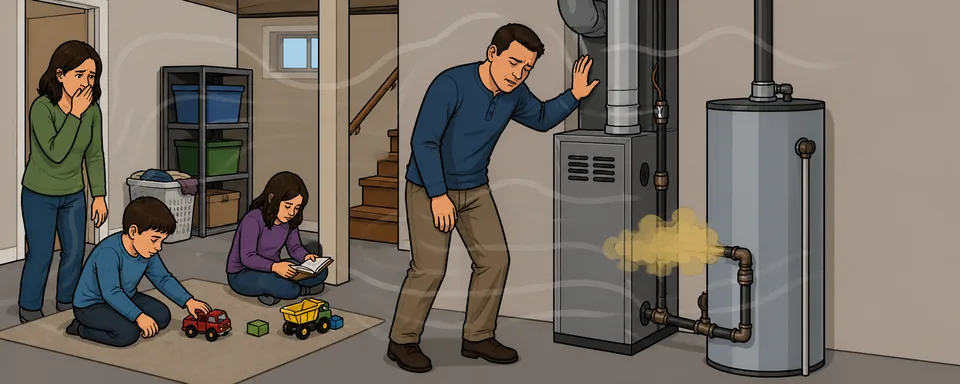
A silent leak can kill an entire sleeping household before anyone realizes anything is wrong - a catastrophic Impact made worse because there are often no warning signs without a detector.

LikelihoodUnlikely3/9
RareFrequent

Rare for any given home, especially with modern appliances, but real enough - and far more likely when backup heat or generators are used improperly during outages.

VulnerabilityNot rated
NegligibleCatastrophic

This number is yours. It measures how hard Carbon Monoxide or Gas Leak would actually hit your household given what you already have in place. Rate it in Threat Planning — then all three multiply into your personal threat rating.

Rate it in Threat Planning →

General baselines — How we rate threats →

Be ready

Preparing for Carbon Monoxide or Gas Leak

Concrete moves that lower your Vulnerability. Add any of them and we'll track it as an action on your threat list.

Add to my threat list
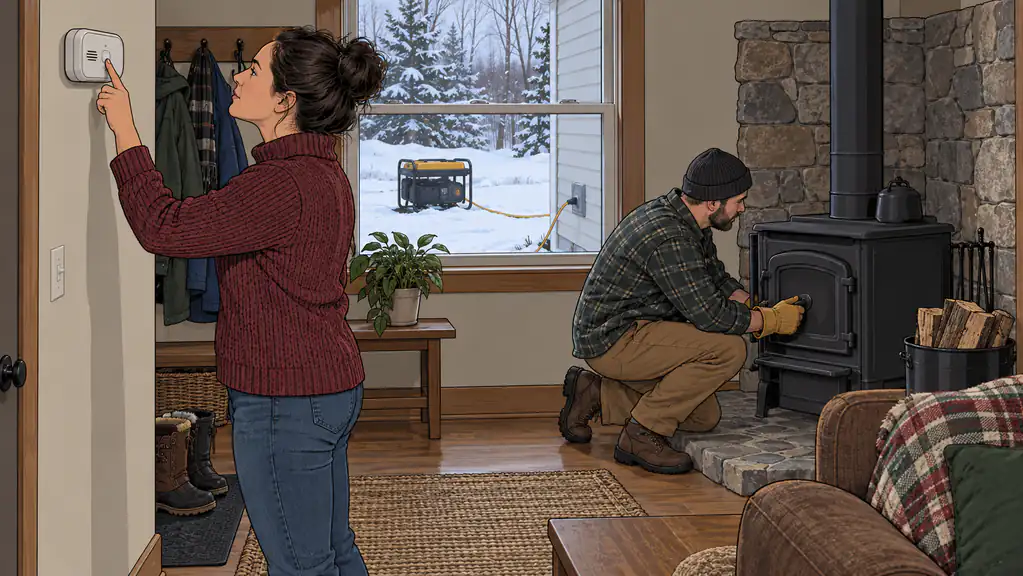
Install CO detectors near sleeping areas; test and replace on schedule.
Never run generators, grills, or engines indoors or in attached garages.
Service furnaces, water heaters, and gas appliances annually.
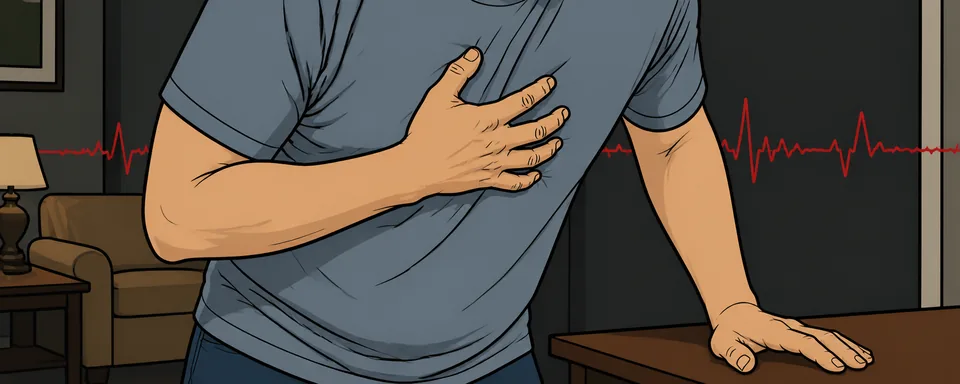
Know the symptoms - headache, dizziness, nausea - and act on them fast.
Learn more

Articles on Carbon Monoxide or Gas Leak

Act on it

Tools for Carbon Monoxide or Gas Leak

Make Carbon Monoxide or Gas Leak part of your plan

Add it to your personal threat list, score it for your own household, or pull the real hazard data for your county.