Methodology, threat analysis, how-tos, and deep dives drawn straight from the Engineered Preparedness series.
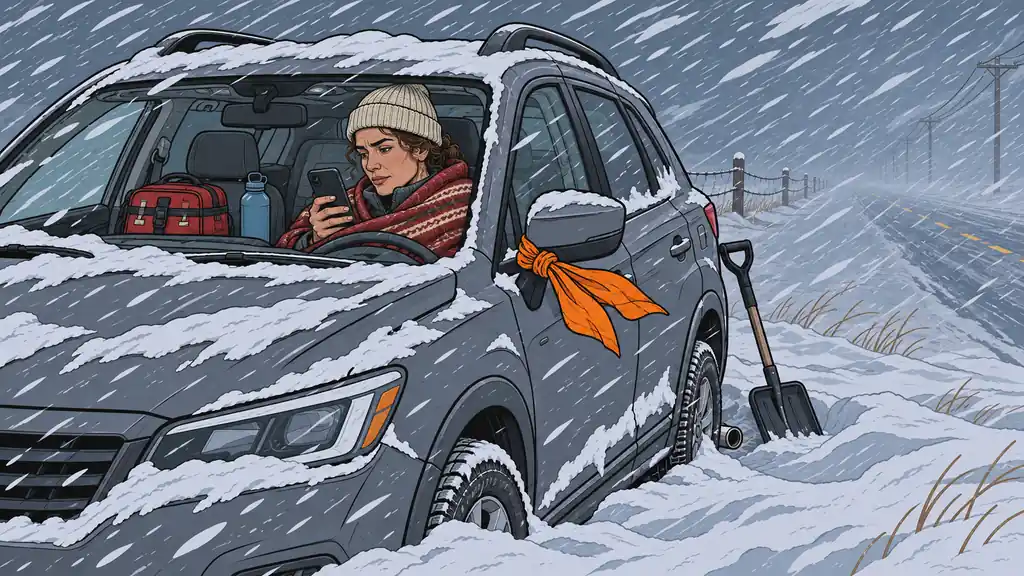 Deep Dive
Most blizzard deaths happen on the road, and most of those come from leaving the vehicle. The car is shelter — if you've stocked it and you know the rules for staying alive inside it.
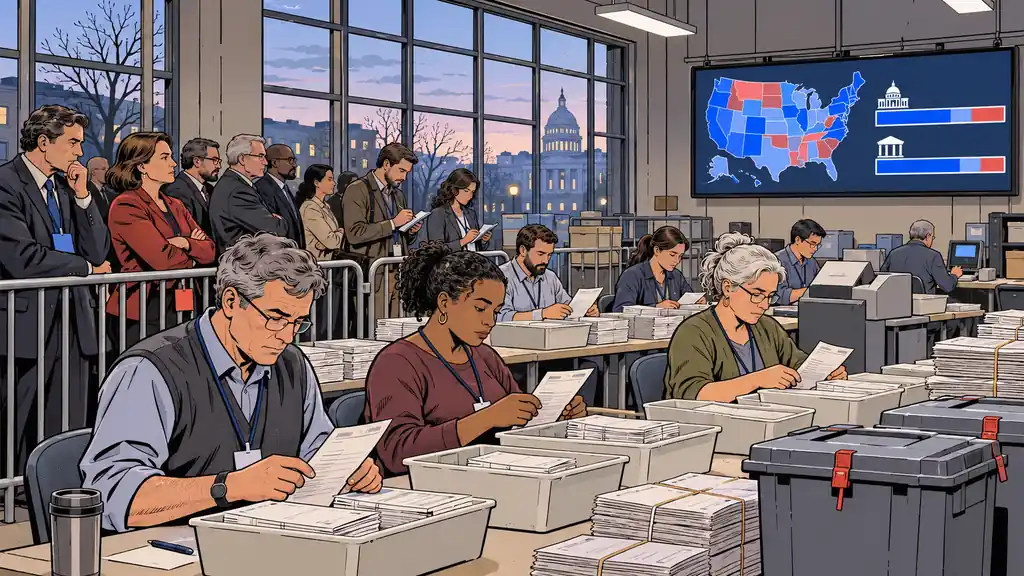 Deep Dive
While it's impossible to know the long-term ramifications of the 2026 mid-term election, we can identify several short-term likely results.
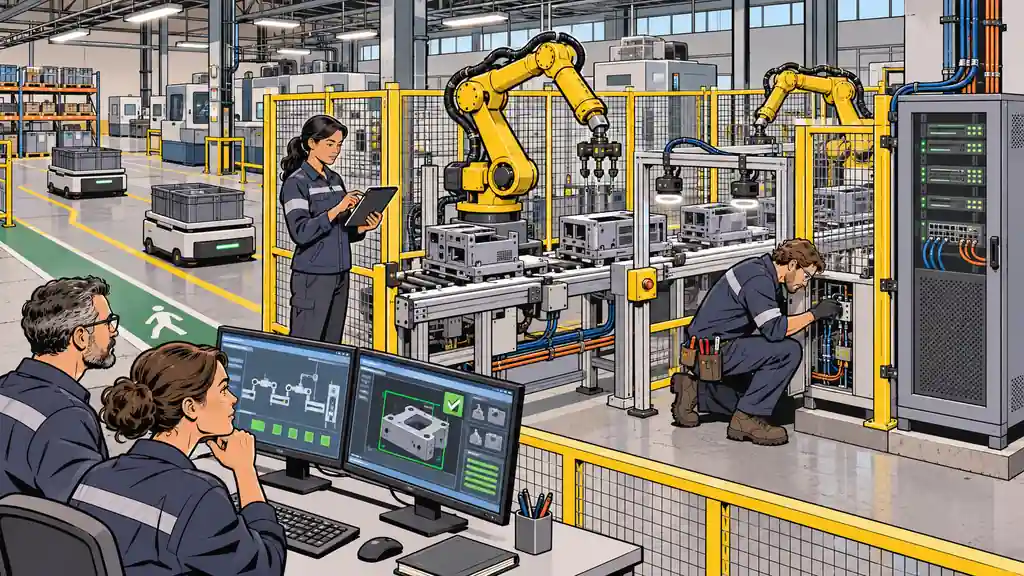 Editorial
Most people think about an industrial revolution as being far in the past and was about steam trains or the switch from horses to cars. The truth is we just finished one and have started another that is poised to reshape society.
 Reality-Check
Your speaker, your doorbell camera, your TV — even your vacuum — is a networked sensor that keeps a record on a server you don't control. Courts have subpoenaed those recordings in murder cases; the FTC has fined Amazon, Ring, and Vizio over how they were kept; and gig workers have leaked them to Facebook. Here's what's real, what's overblown, and why it matters for a prepared household.
 Reality-Check
Many Christians are taught that Romans 13 means submit to whatever the government does. Read the passage closely — especially the word Paul actually used — and a very different picture emerges.
 Deep Dive
Two confident camps say Scripture settles the gun debate — one for pacifism, one against it. Read the actual passages and a clearer picture emerges.
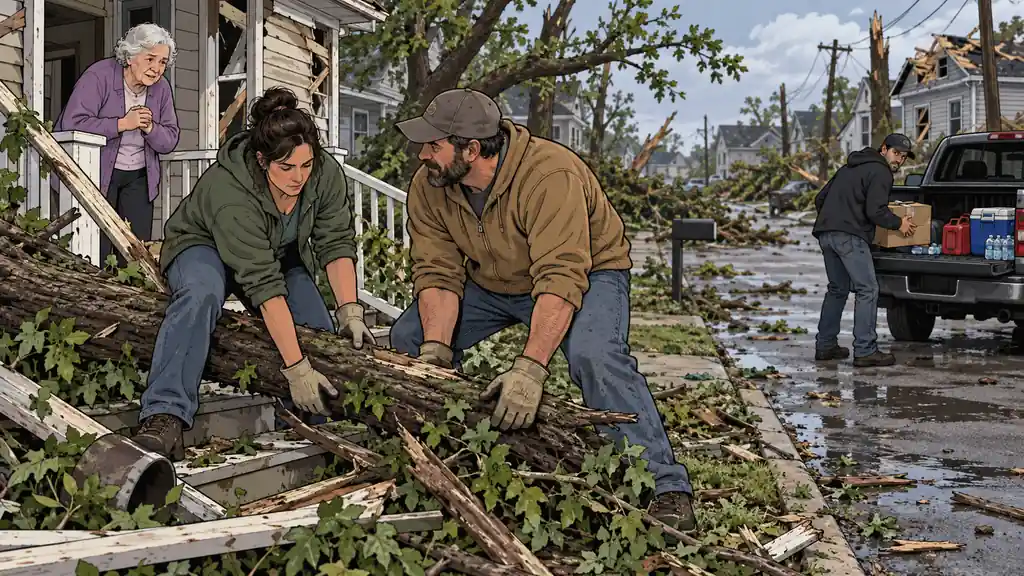 Reality-Check
One camp insists people are basically good; another writes humanity off as irredeemable. The Bible refuses both and holds a harder truth together — and that truth changes how you see yourself and everyone else, especially during an emergency situation.
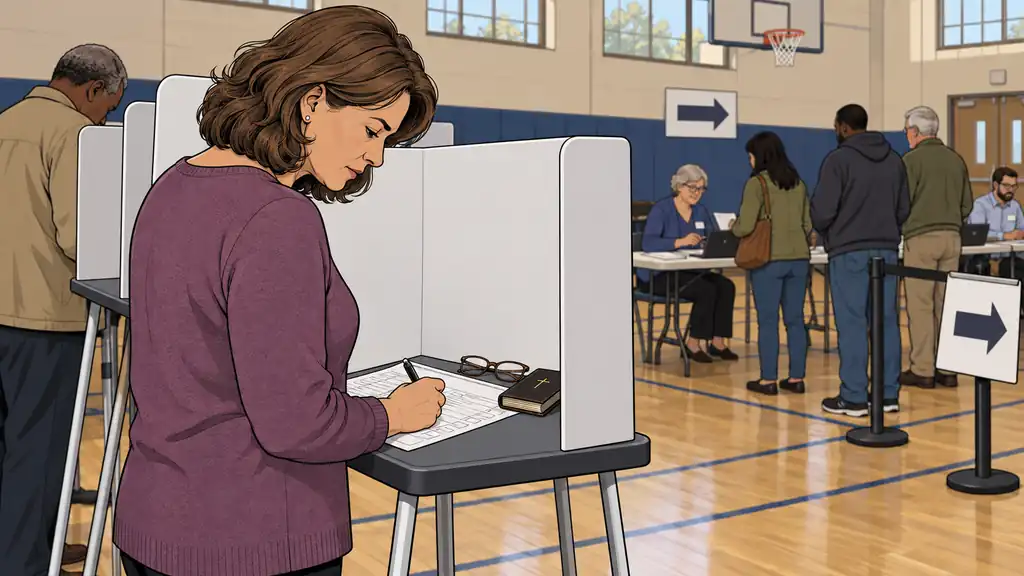 Editorial
Most believers treat the ballot box as secular ground the Bible has nothing to say about. It has plenty — and it turns every vote into a stewardship you carry before God.
 Deep Dive
Several groups appear to be attempting exactly this, with counter-preparations becoming more visible as well. If carried out, it may mean the US is heading toward a very tumultuous November and December.
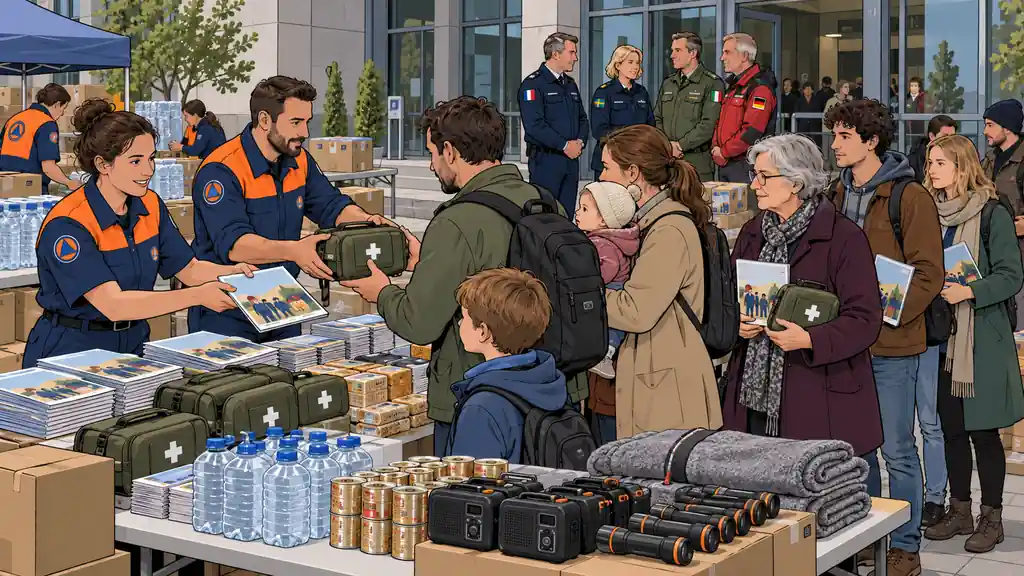 Deep Dive
Encouraging preparedness is common by most countries. Is the recent declarations by multiple nations normal or is something deeper going on?
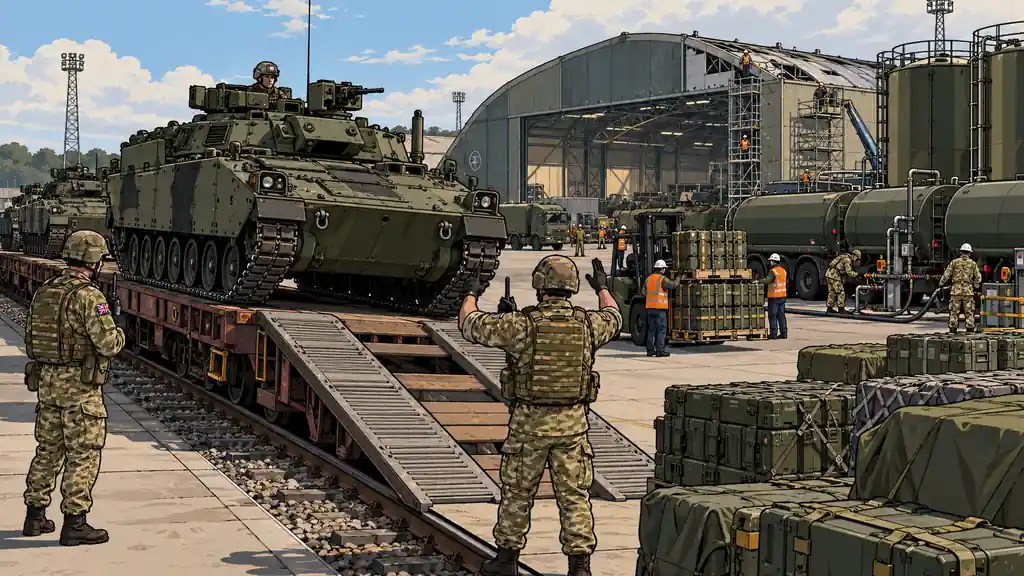 Deep Dive
Are the statements of the UK Defense Secretary sensationalized, or is there real substance here that is important for citizens of the USA to understand?
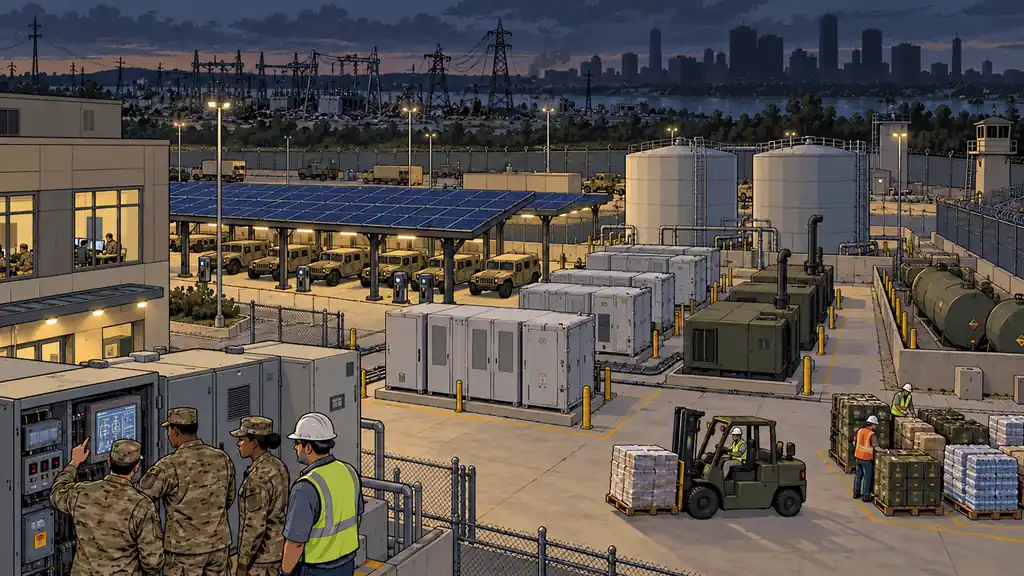 Deep Dive
FORTRESS is directing that all US bases be self-sufficient for 90 days — this should alarm all Americans. The details about Next Great American Base isn't nearly as surprising, except for the timeline.
 Deep Dive
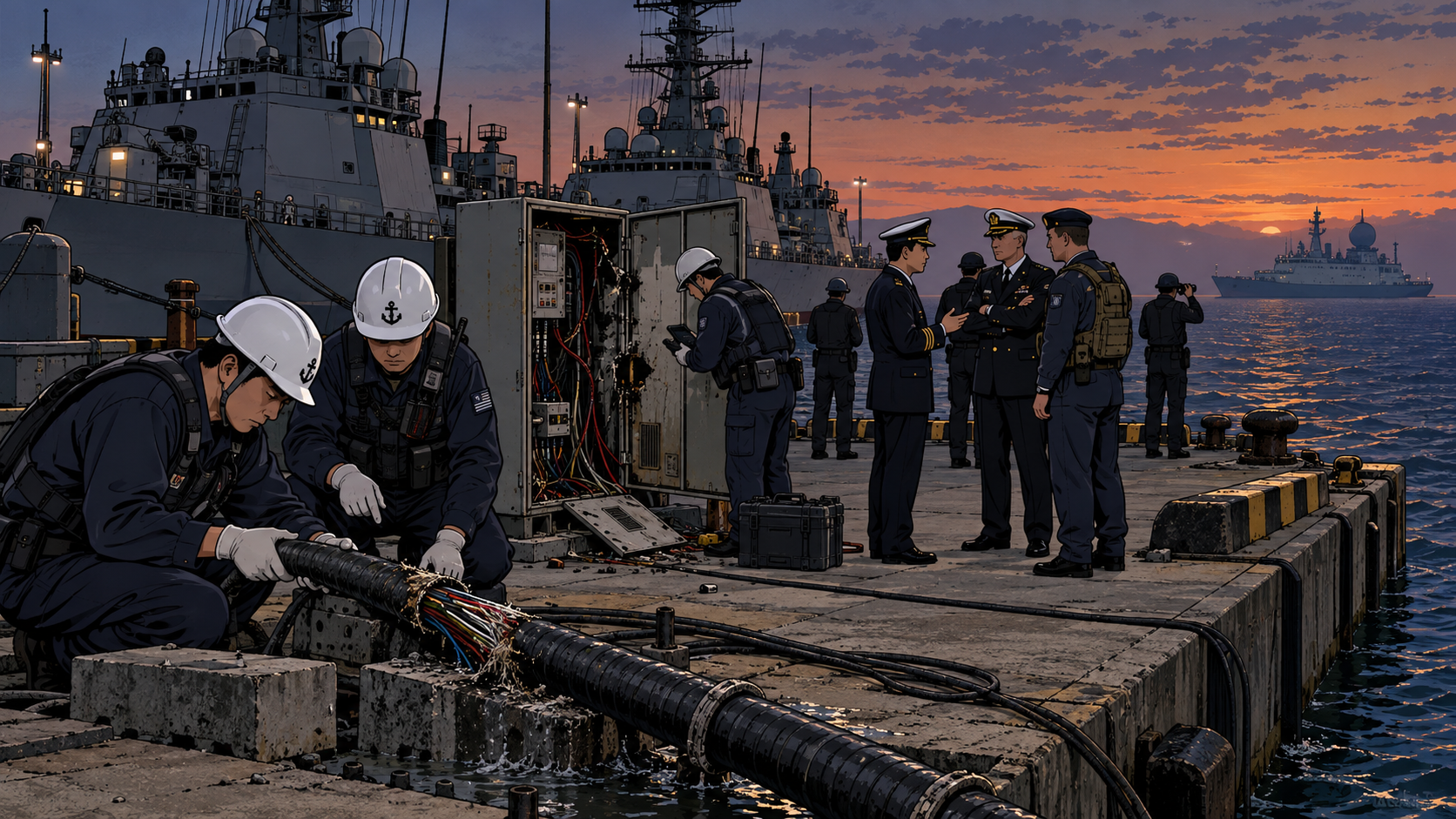
China knows that Japan will be involved if they invade Taiwan, so they're making a case for preemptive action against Japan. At the same time, the US is finally fighting fire with fire in the world of unconventional warfare with China.
 Deep Dive
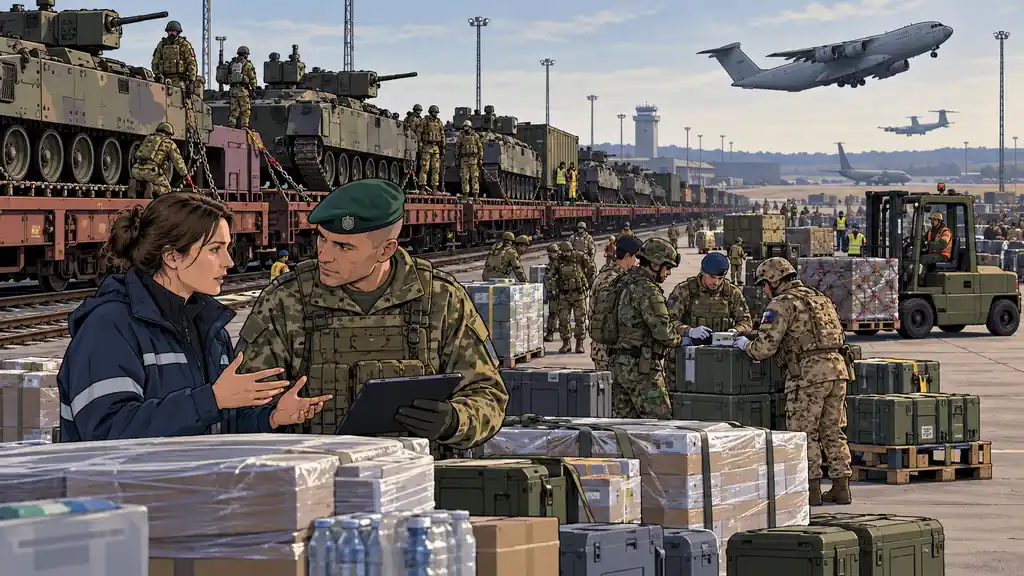
The US Army, NATO, and the UK government all started telling people to get ready for a major war. Some of that is real signal and some of it is doom-hype — here's how to tell them apart, and what the convergence actually means for you.
 Reality-Check
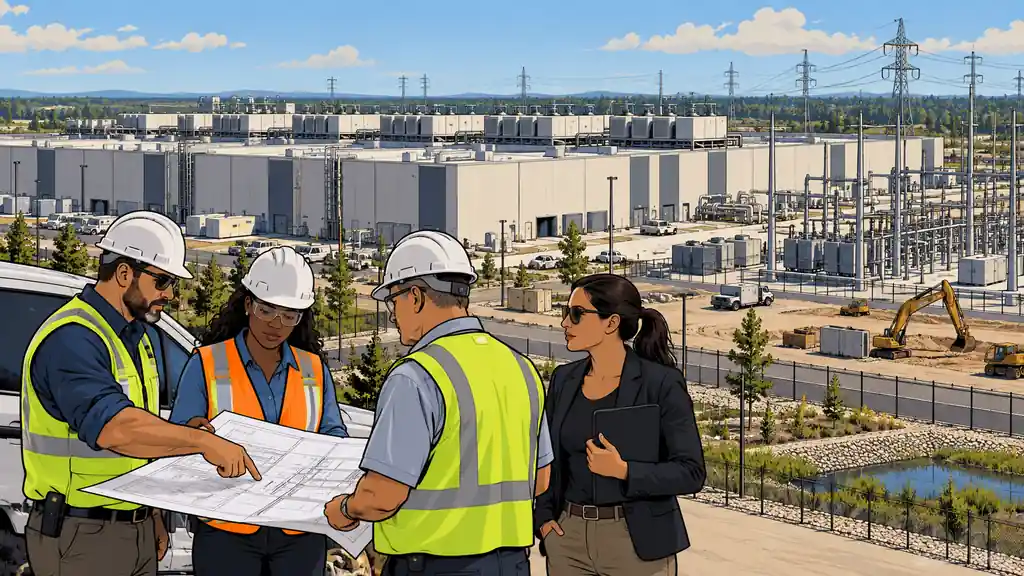
A viral post says Trump secretly reclassified all AI data centers as military installations, abolishing local zoning and environmental review in one stroke. The order is real; almost everything said about it is not. And the five-second tell is right there in the date.
 Deep Dive
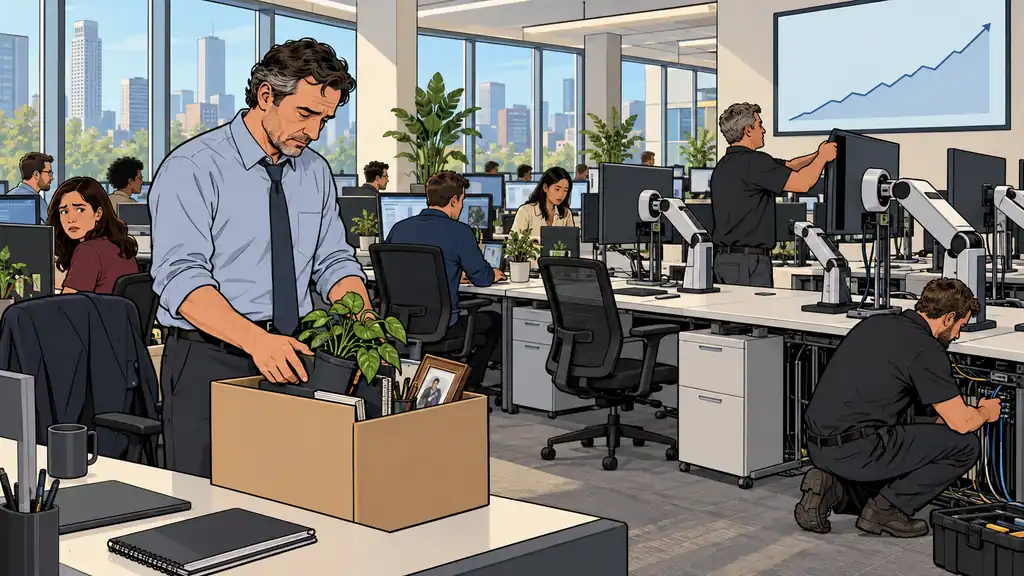
The popular fear is that AI makes workers obsolete. A new economic model argues the real danger is subtler and worse: even profitable firms are pushed to automate past the point that's good for anyone — including themselves — and no amount of retraining or UBI fixes it.
 Reality-Check
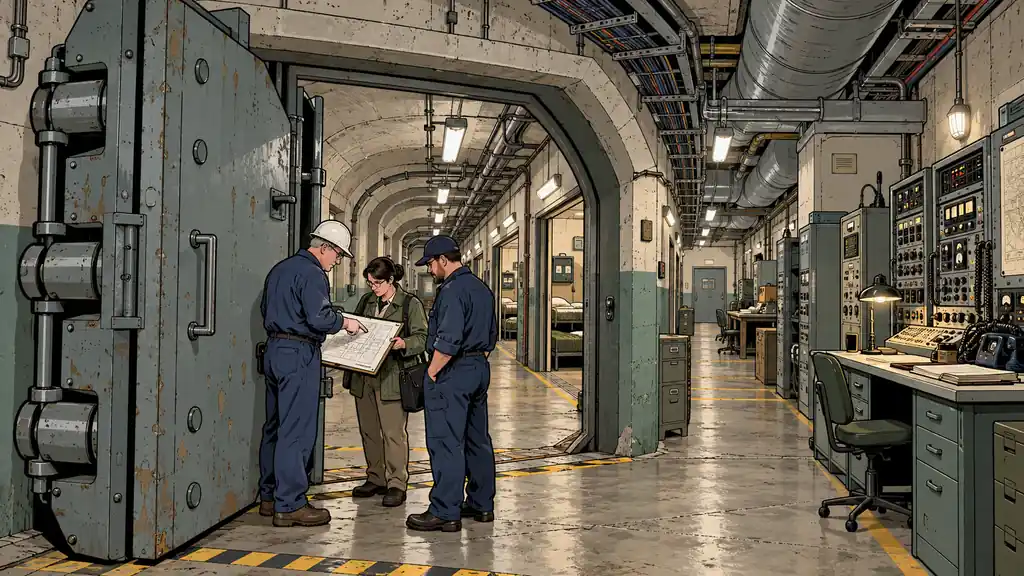
A viral claim says the U.S. secretly spent $21 trillion carving out 170 underground bases for the powerful to survive an extinction event. The real underground facilities are declassified, documented, and genuinely fascinating. The $21 trillion is a misread of an accounting report — by someone who admits the rest is a guess. The true story is better, and more useful.
 Editorial
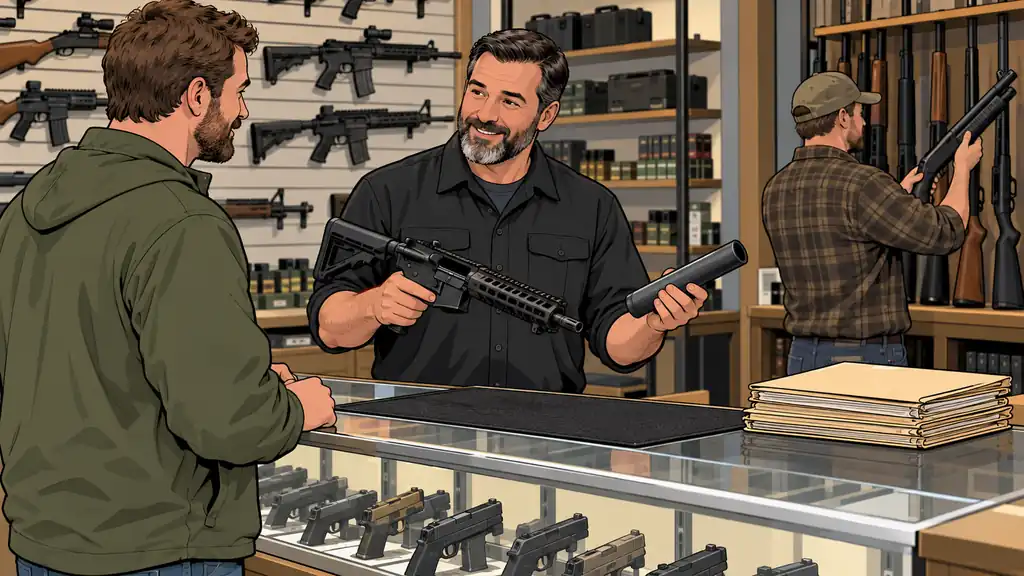
While the DOJ gave the 2A community a huge win, the fight is far from over.
 Deep Dive
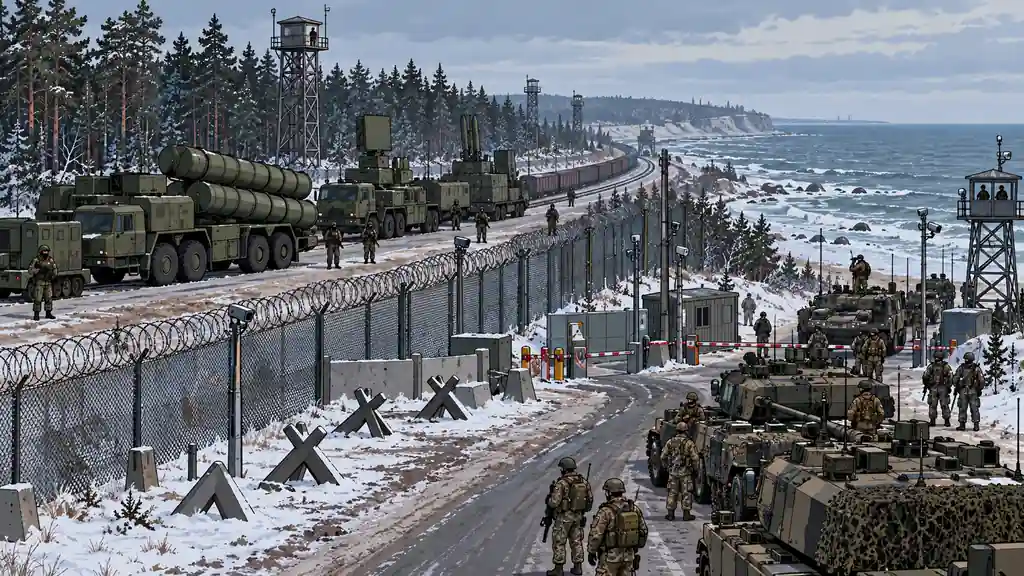
Russia's UK embassy just threatened nuclear use over Kaliningrad. Here's why that sliver of Baltic coast is the alliance's most dangerous seam — and what an escalation watcher should actually track.
 ★ FeaturedDeep Dive
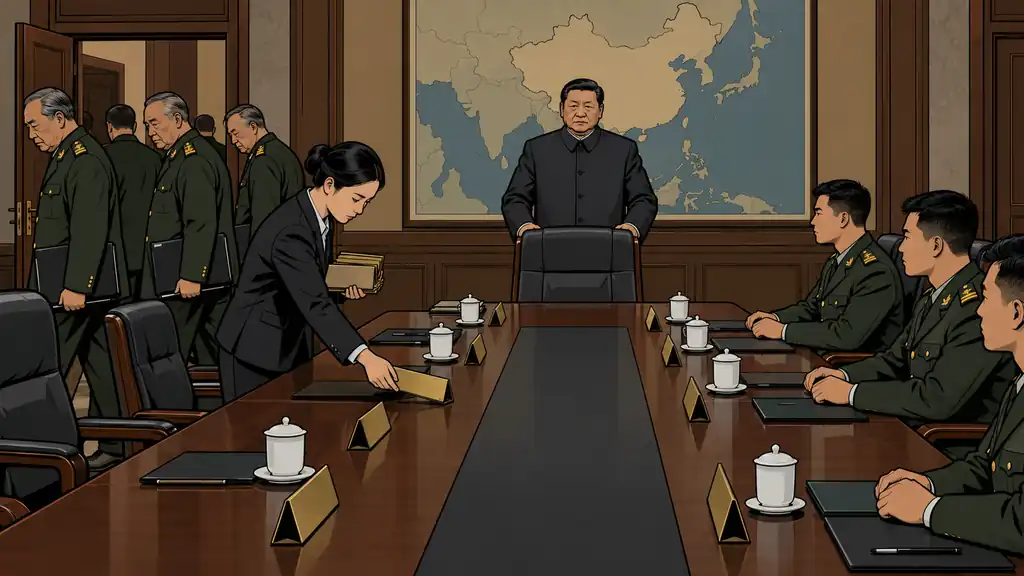
Prior to world war 2, major militaries conducted a purge in leadership. The recent purges in the US and China could signify war is getting closer.
 Deep Dive
Britain is telling households to keep tinned food and bottled water; Germany is screening its 18-year-olds for service. Tens of thousands walked out in protest. When governments that spent decades saying 'don't worry' start saying 'stockpile,' the message isn't the march — it's the reversal.
 Deep Dive
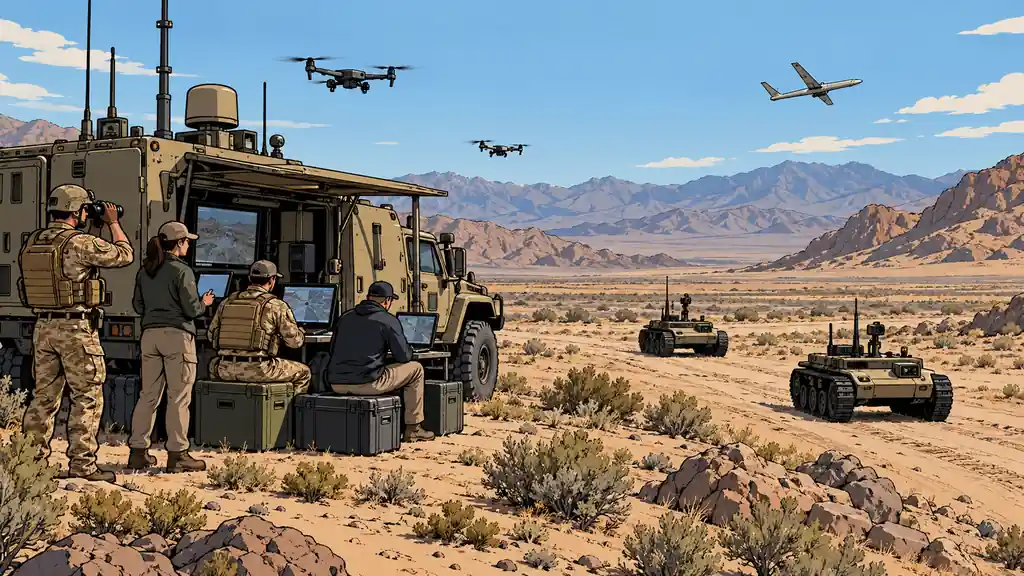
The Autonomous Warfare Command and Project Meridian are about machines and foresight, not households — but together they tell you, in the Pentagon's own words, where conflict is heading: autonomy pushed to the edge, and a race to adapt faster than any single adversary.
 Deep Dive
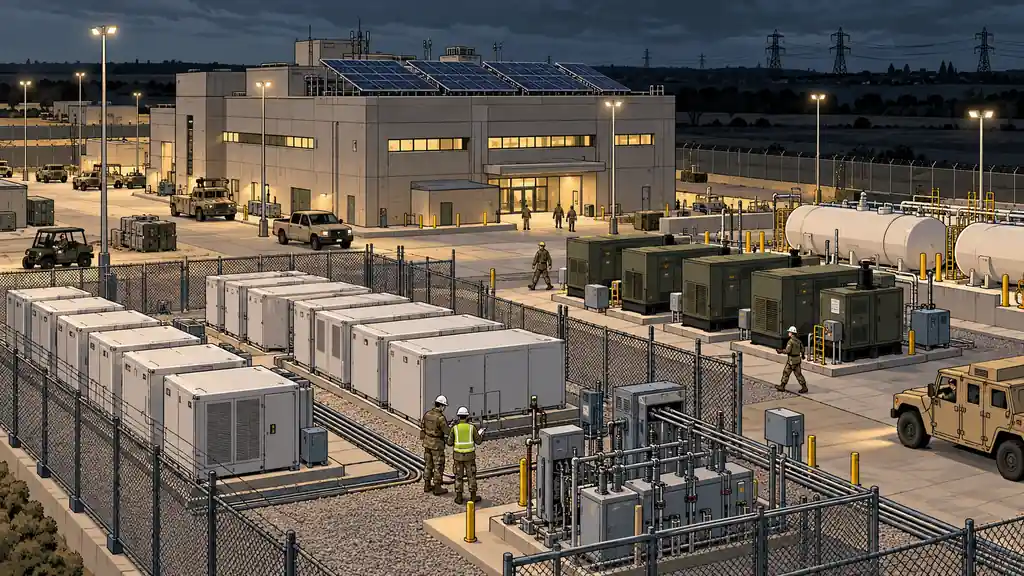
FORTRESS America and the Next Great American Base are about energy independence, reshored supply chains and hardened installations — the same homeland-resilience problem you work at your house, solved at the scale of a continent.
 Deep Dive
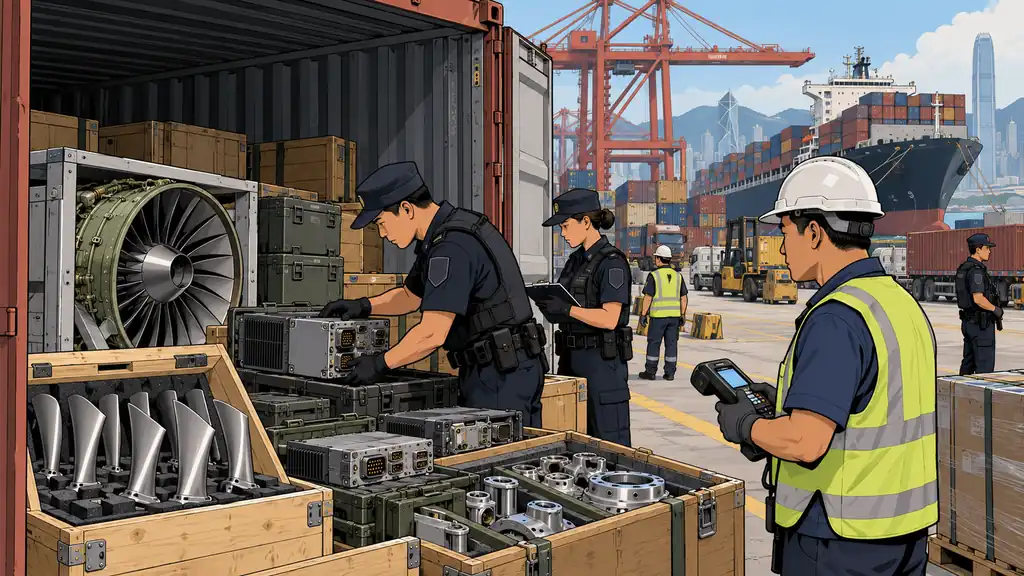
We assume export controls and allied supply chains keep our best military technology out of Beijing's hands. The F-35 parts story — one million unaccounted for, a classified shipment rerouted mid-ocean — is what it looks like when that assumption is wrong.
 Deep Dive
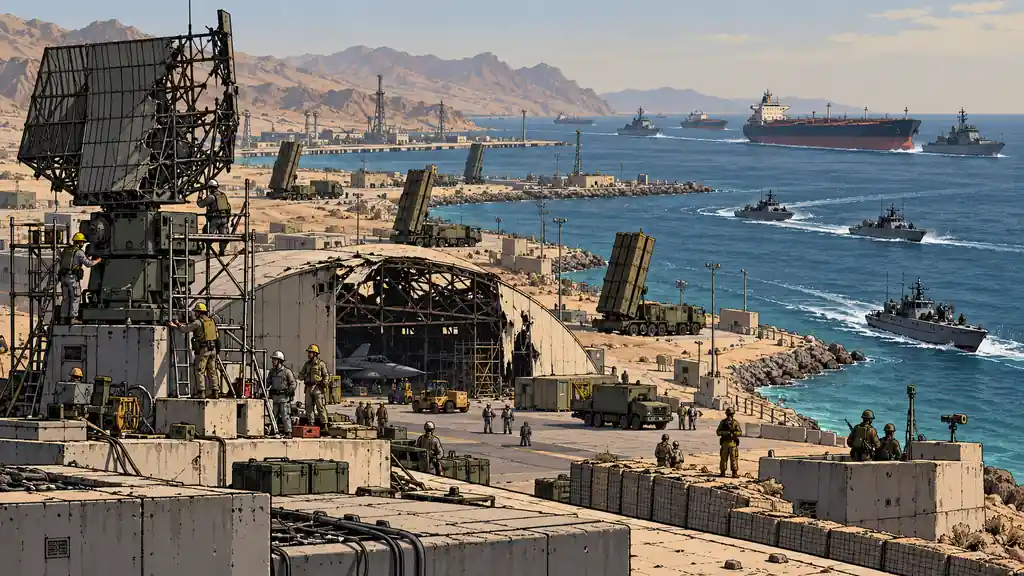
A color revolution is a coup run on a stopwatch — a mostly non-violent campaign that can topple a government in weeks by attacking three things at once. Here's the playbook, and four times it worked.
 Deep Dive
After six months, we have a good picture of what's happened which can help us predict where it may head.
 Deep Dive
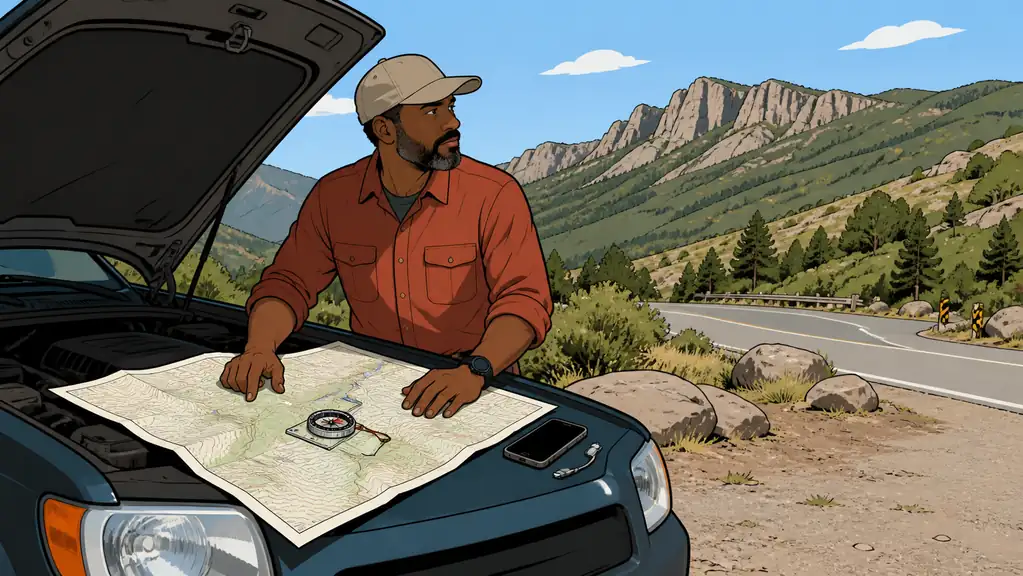
The blue dot works until the day it doesn't — and the events that make you need to navigate are the same ones that take it down. Paper and terrain are the plan; GPS is the convenience on top.
 How-To
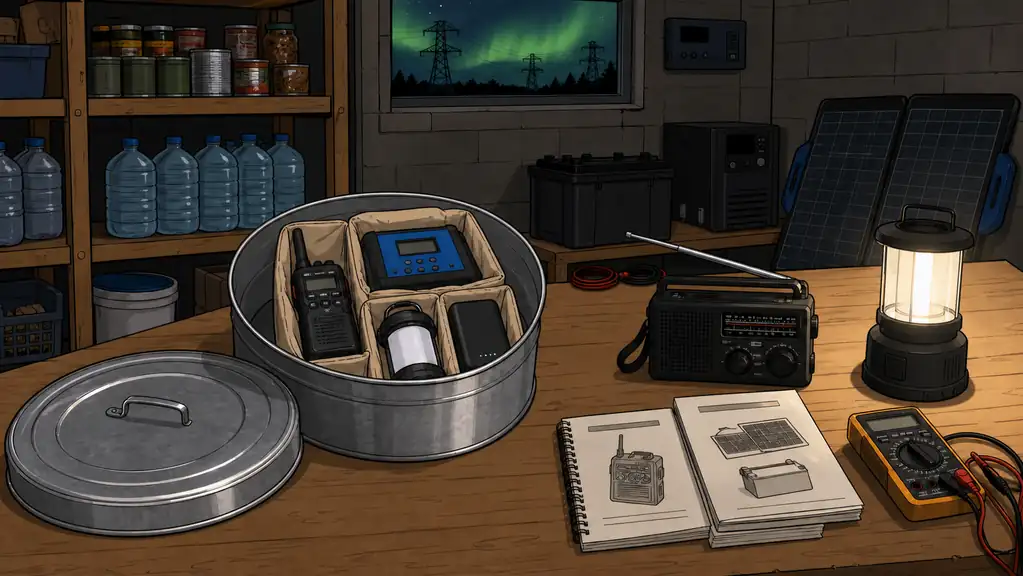
If you are worried about an EMP or CME and want the absolute best preparation for this threat, you've found the right place.
 Deep Dive
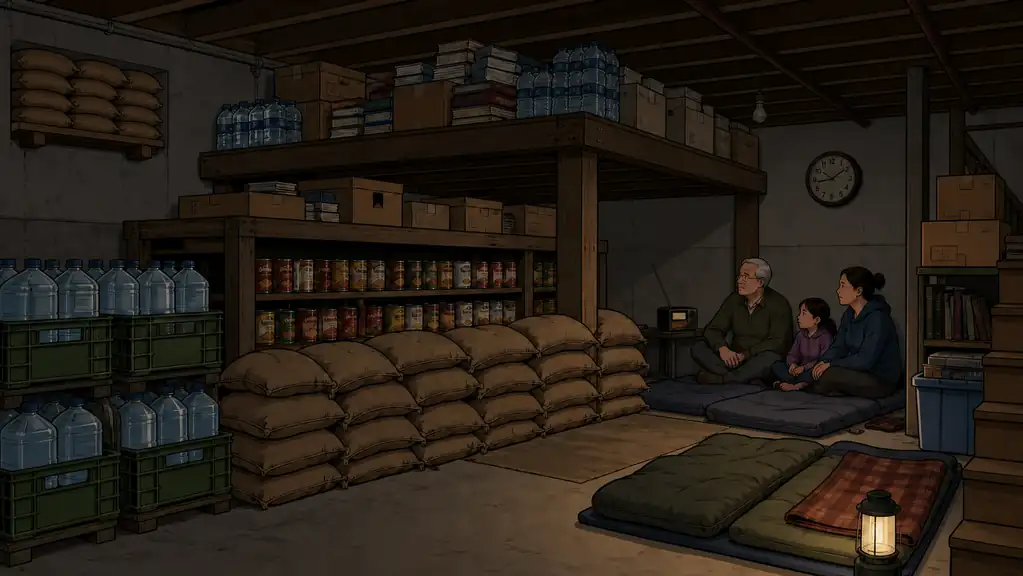
The mushroom cloud gets the fear. The thing that actually kills people downwind is a dose — and a dose is just rate times time, which are two levers you can shrink.
 How-To
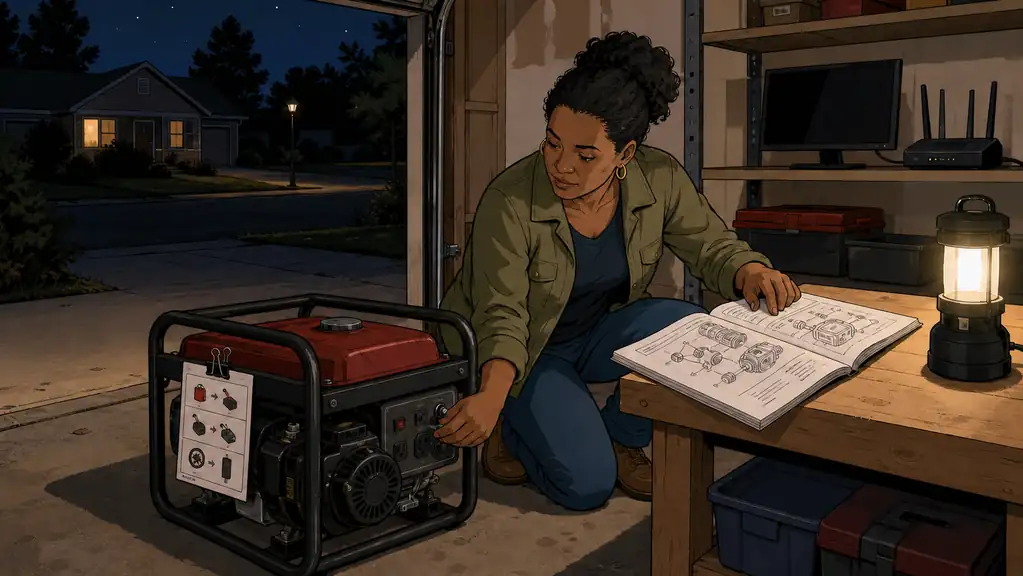
The how-to video, the wiring diagram, the part number — all one dead router away from gone. The fix is a shelf, not a search bar.
 Reality-Check
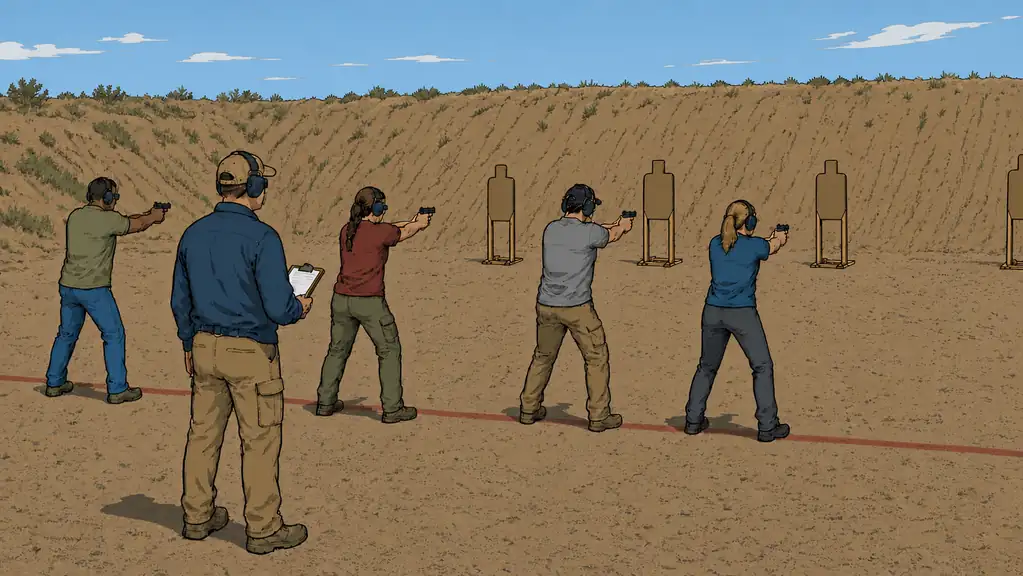
A safe full of hardware you've never trained with isn't capability — it's inventory. Skill is the multiplier, it's perishable, and most of it is free to build.
 Deep Dive
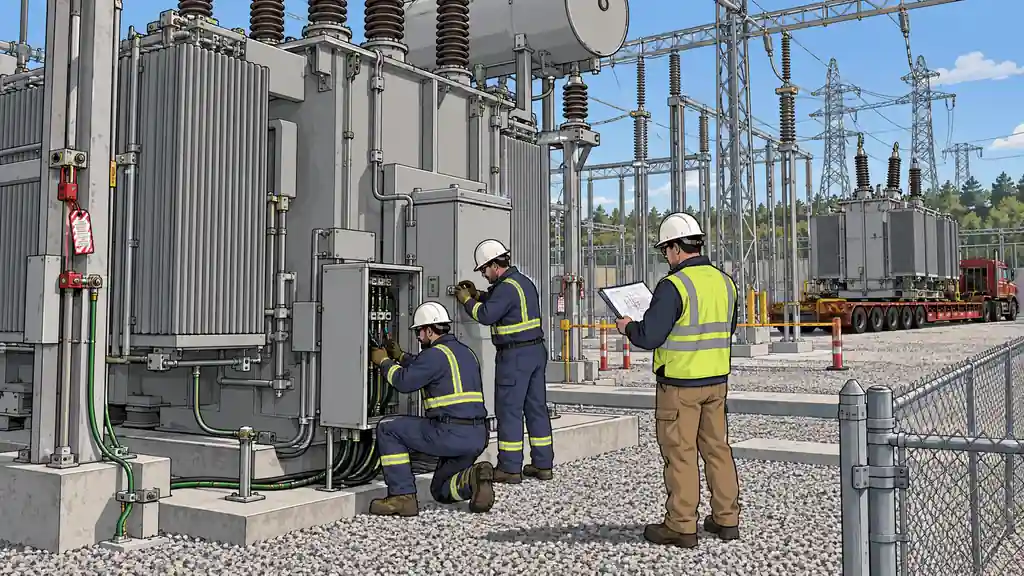
A January 2025 program, rebranded in June 2026 - and the uncomfortable truth underneath it: an EMP, a solar storm, a cyberattack, and a saboteur all break the country the same way, through the same grid, and the cheap fix has sat untouched for a decade while China quietly installs its own copy.
 Primer
Preppers count calories, water, and rounds. The thing that actually makes people quit — the slow erosion of morale — gets no shelf space at all.
 Primer
If it's a certainty, then there's no excuse not to properly prepare for it.
 Deep Dive
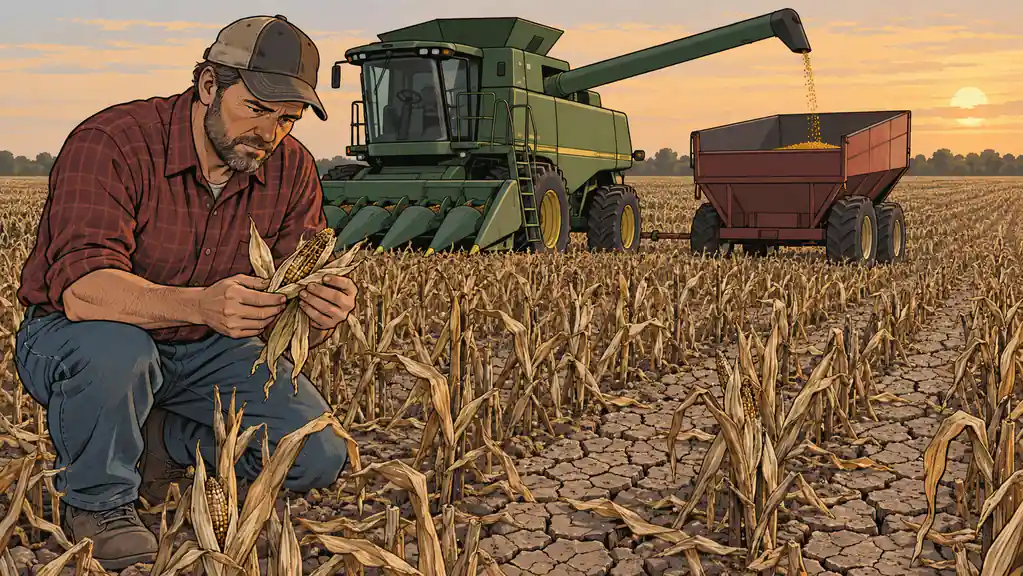
Crop failure is a price shock that runs hot or cold depending on how full the world's reserves already are. Learn to read that, and run your pantry like the reserve it is.
 Deep Dive
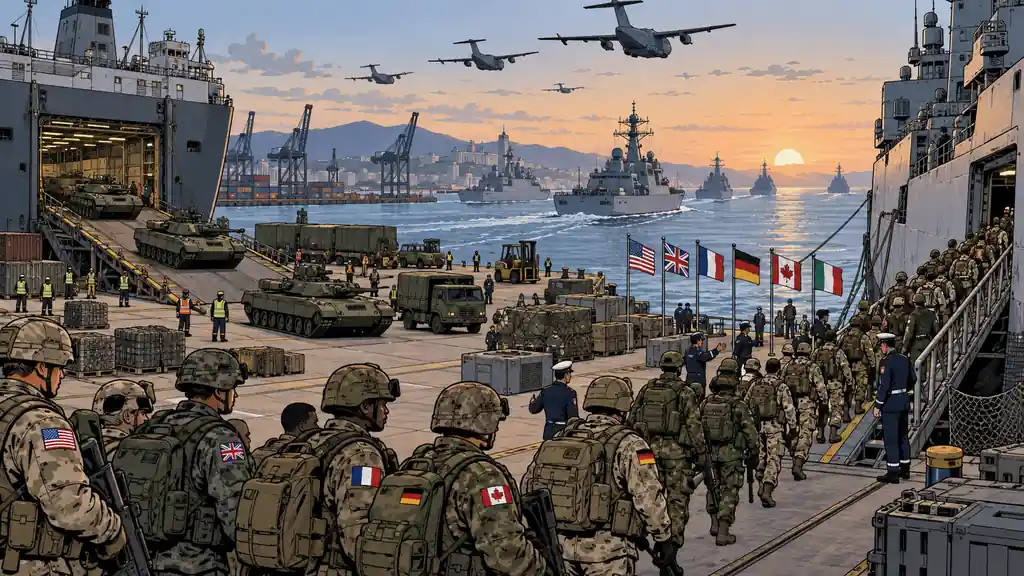
We picture the next great-power war as America versus China, or America versus Russia. The harder possibility is that the fight arrives on four fronts at the same time, by design.
 Primer
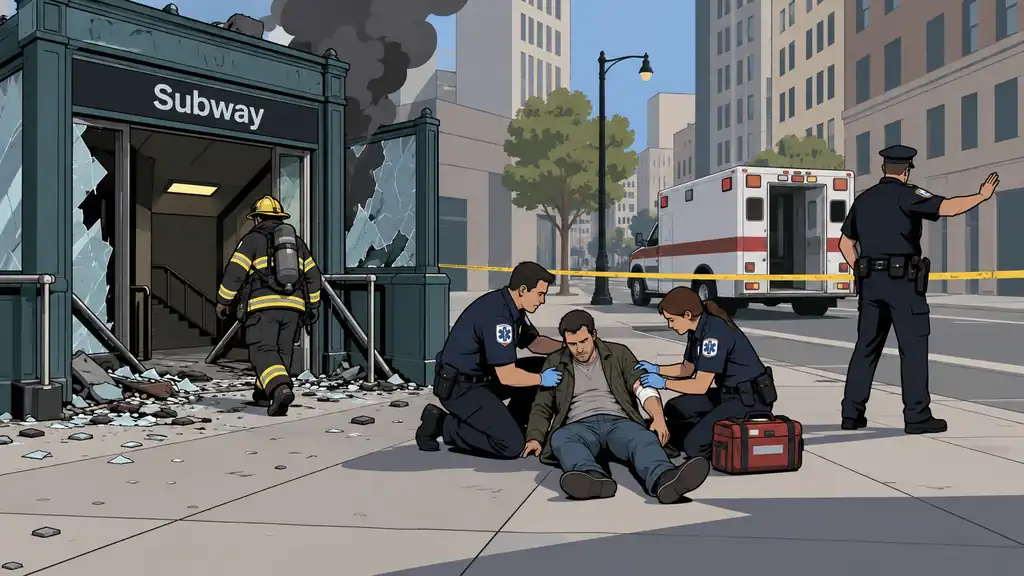
Your odds of being in an attack are low; the odds of a jammed phone and a shut-down city are much higher. Build the comms plan and awareness that pay off across a dozen emergencies.
 Primer
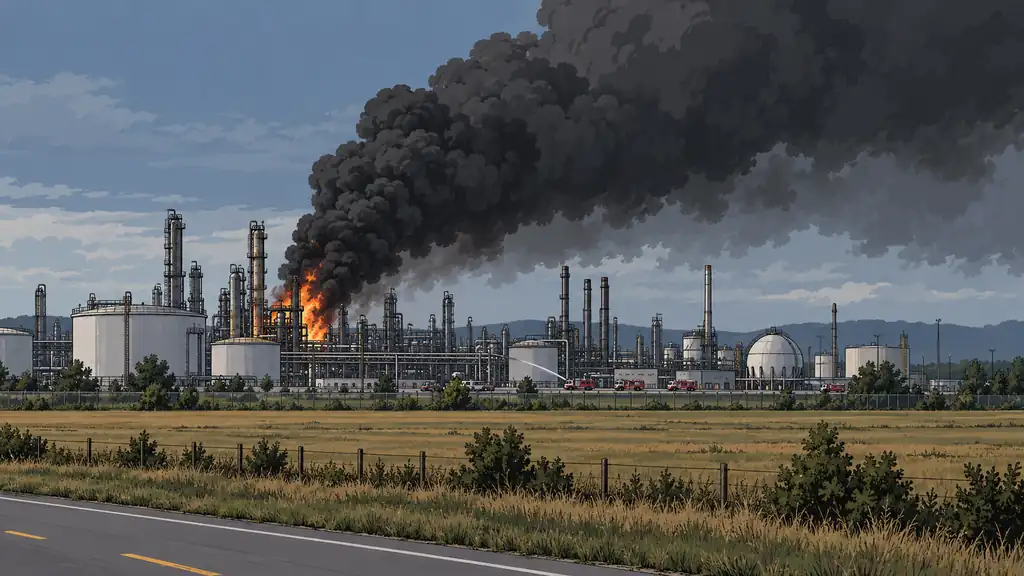
This threat is rare for the country and serious for the people near the source. Map what's around you, then build the two responses it will demand — leave, or seal up.
 Reality-Check
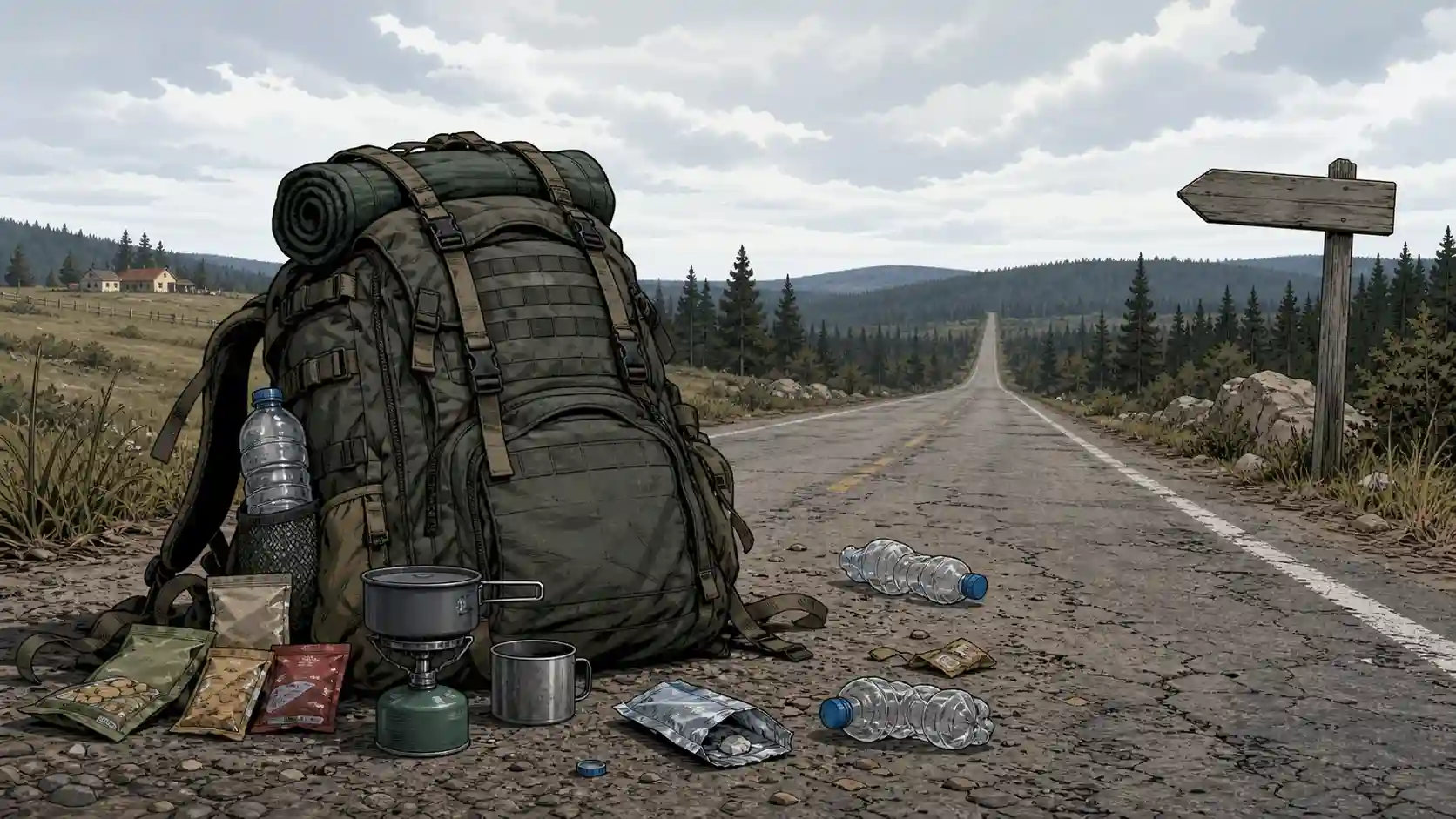
Many preppers choose to put together INCH bags. This is likely a fatal mistake.
 Deep Dive
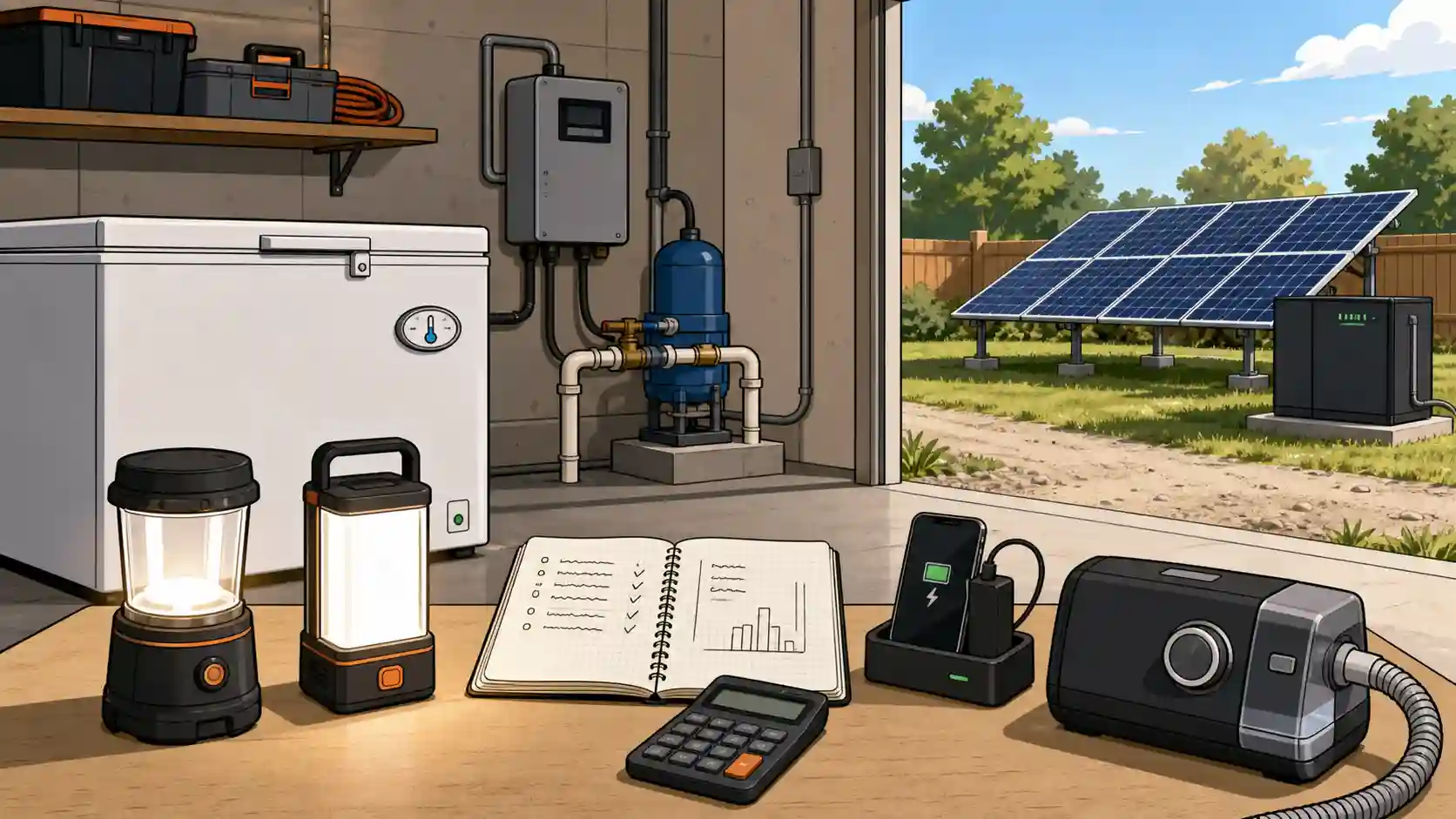
Same mistake as the wood stove: people buy panels and then find out what they run. Start from the watt-hours you actually need and the array sizes itself.
 ★ FeaturedDeep Dive
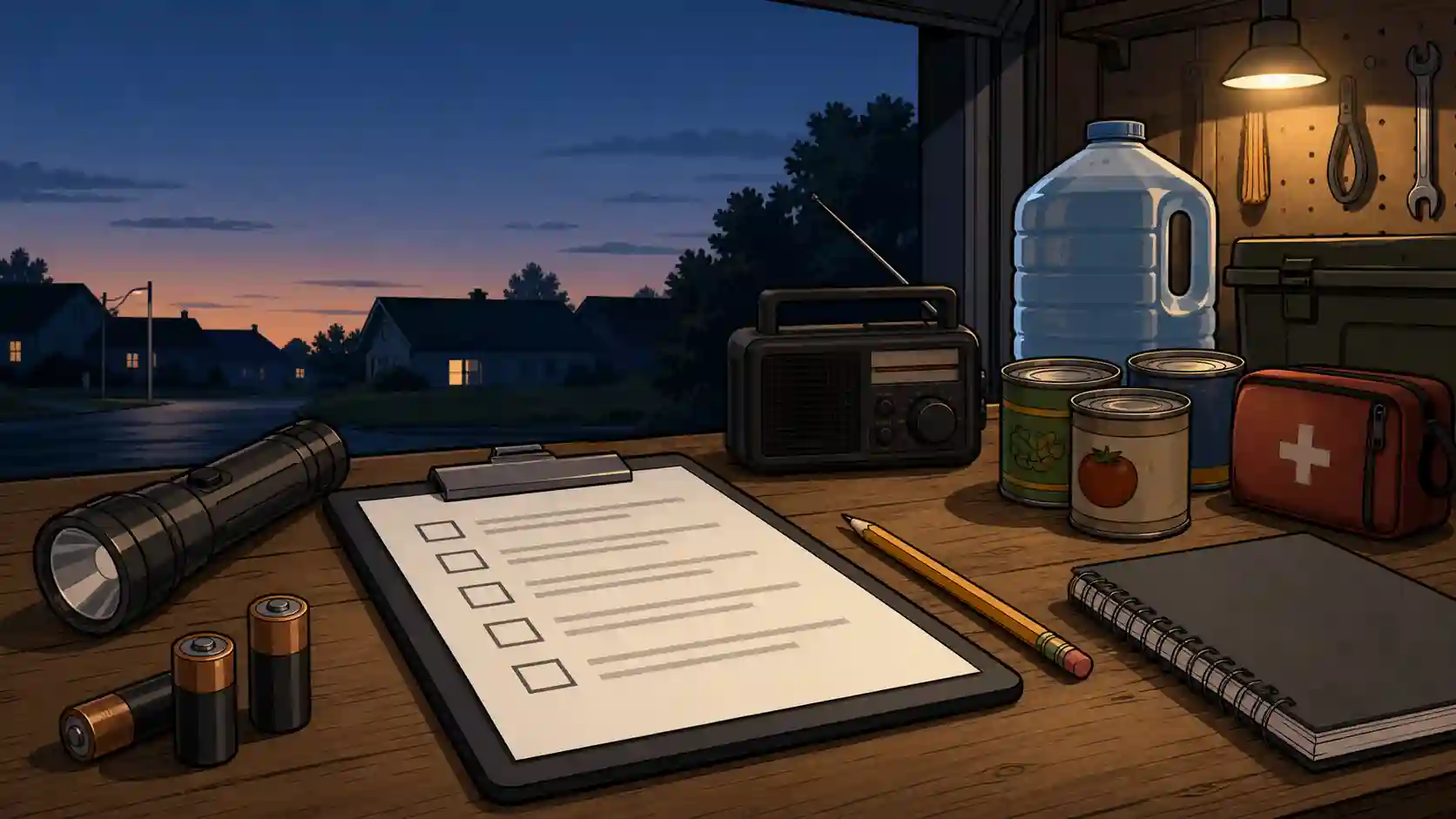
FEMA's National Household Survey is the only real data on how prepared average Americans are. The 2023 numbers say 53.7% have no emergency supplies assembled — and that's a planning input for you, not a punchline.
 Primer
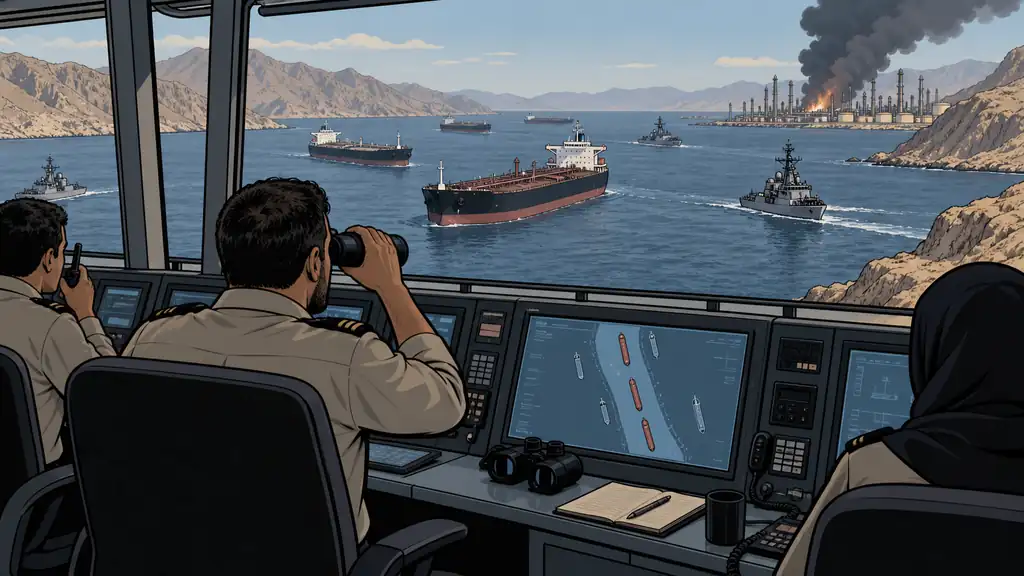
For almost every household, a Gulf war doesn't arrive as danger — it arrives as a fuel bill. Hedge the price and the volatility, not the front line.
 Deep Dive
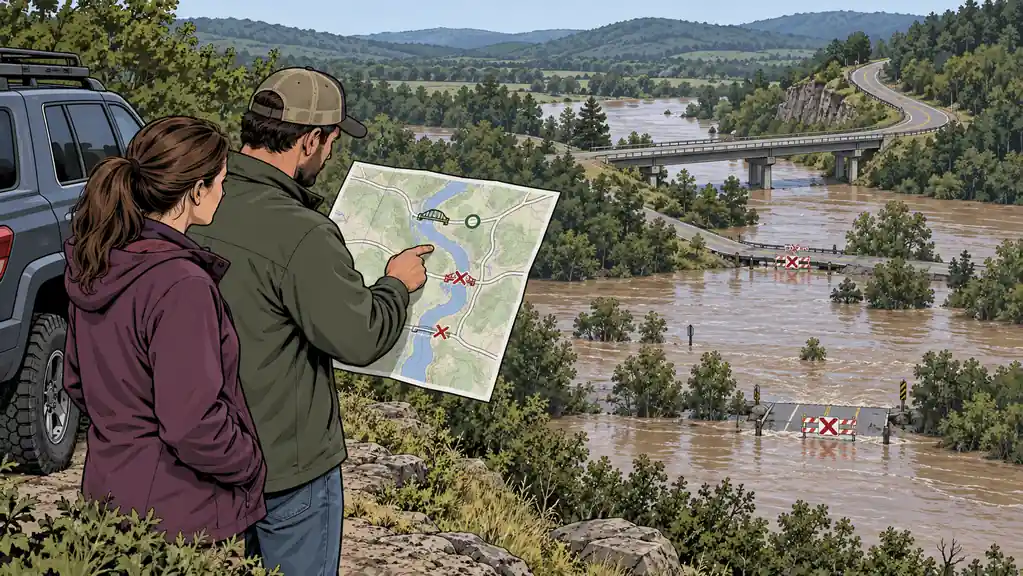
Flooding hits more counties than any other hazard. Doing it well means knowing how deep water floats a car, how much warning you'll get, and exactly which roads between you and high ground go under first.
 How-To
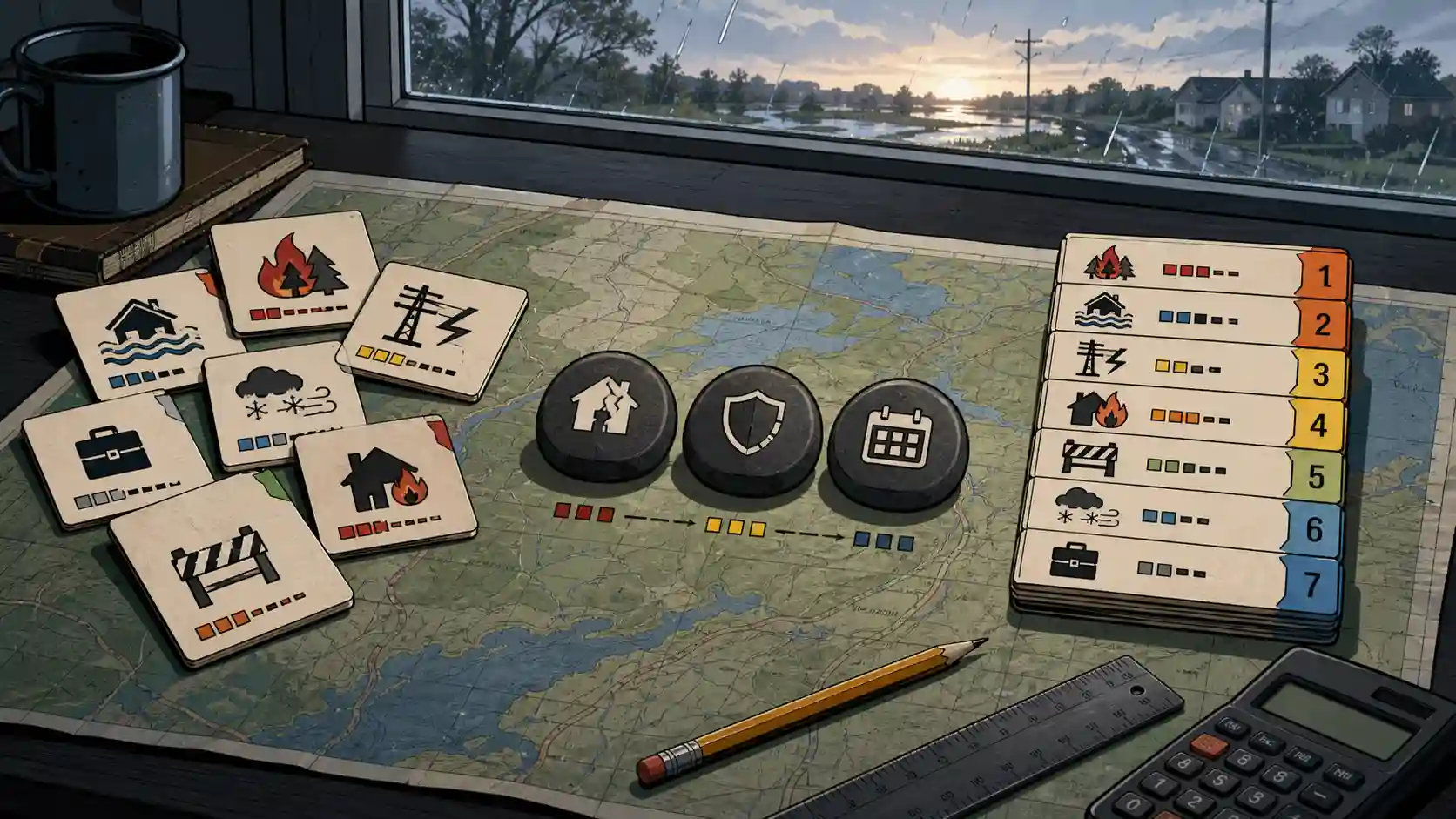
The framework's core threat math — Impact × Vulnerability × Likelihood. Step by step, no guessing, no spreadsheet to wrangle.
 Primer
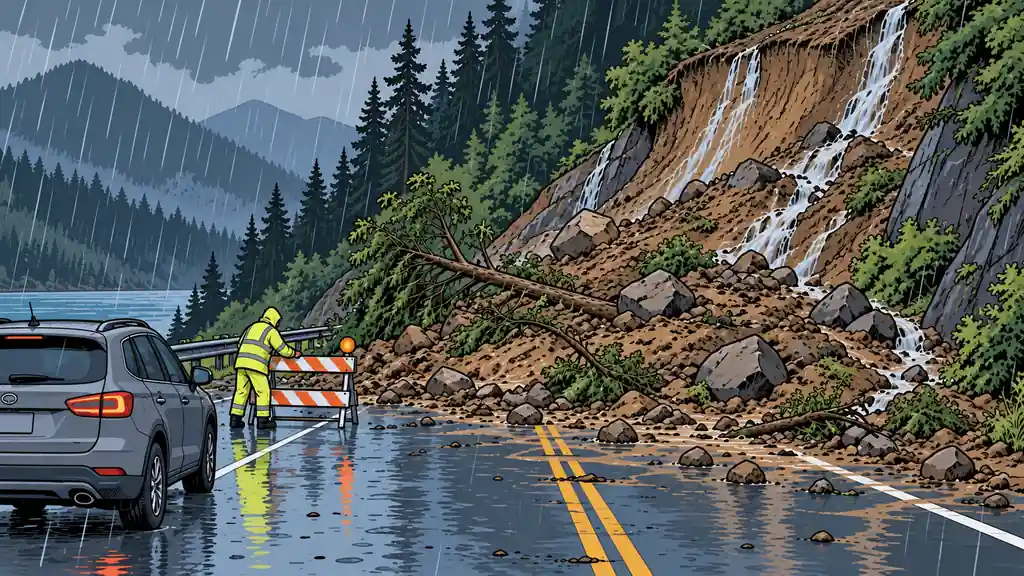
Rare for most people, deadly and fast for a few. The whole game is knowing your ground, reading the warning signs, and leaving before the rain finishes the job.
 Primer
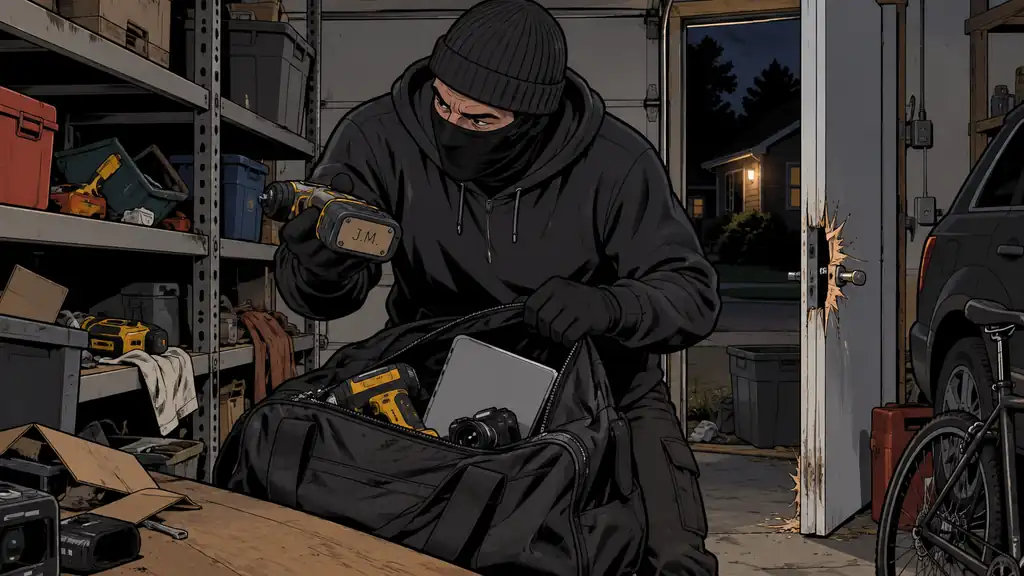
The robbery that cleans most people out doesn't happen at gunpoint. It happens to an empty house — usually starting with the shed — and it runs on one thing: how fast he can turn your stuff into cash.
 Primer
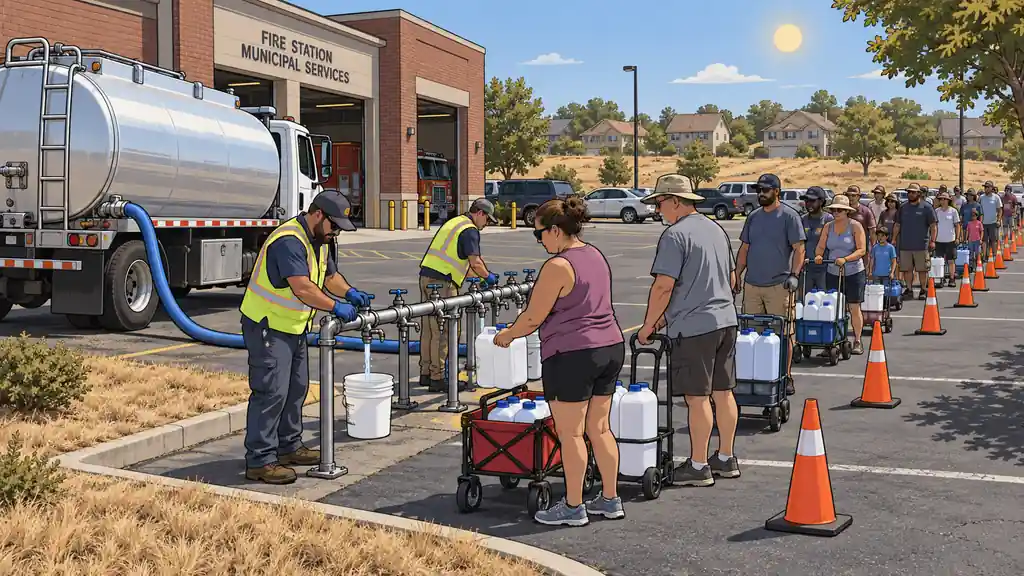
Aging pipes and deepening droughts make multi-week water outages a real tail risk. Storage buys you the first stretch; a filter and a mapped source buy you the rest.
 Primer
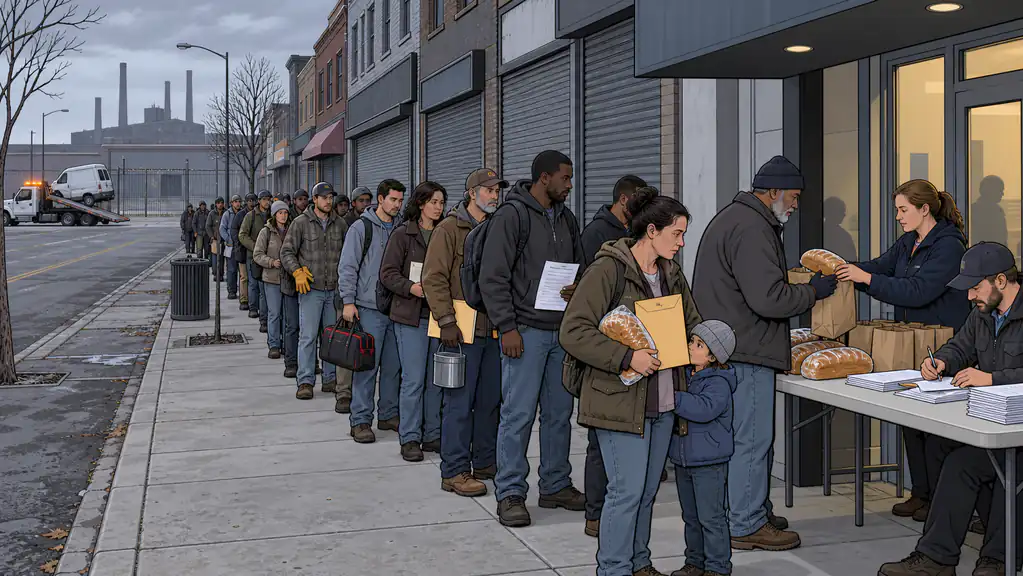
A crash doesn't flood your street, but it can grind down jobs and savings for years. Low debt, a cash cushion, and a deeper pantry are the buffer.
 Deep Dive
A heat wave is days of heat your body can't shed, and it knocks out the grid right when you need cooling most. Build one cool room that survives the outage, and check on the people who can't cool themselves.
 Primer
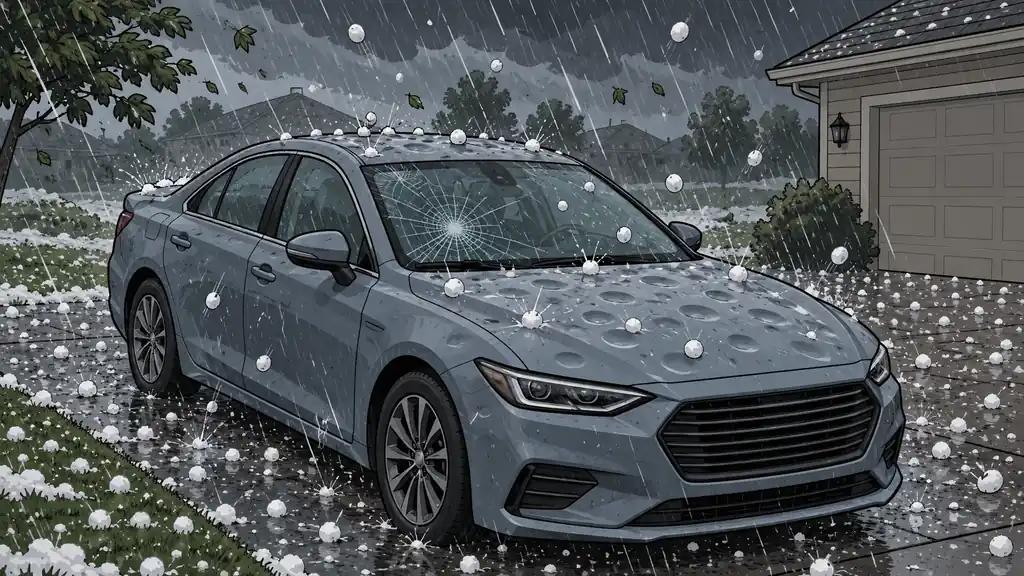
Hail is common and cheap to handle, but only if you act before the stone falls. The stone size in the warning tells you exactly how hard to move.
 Primer
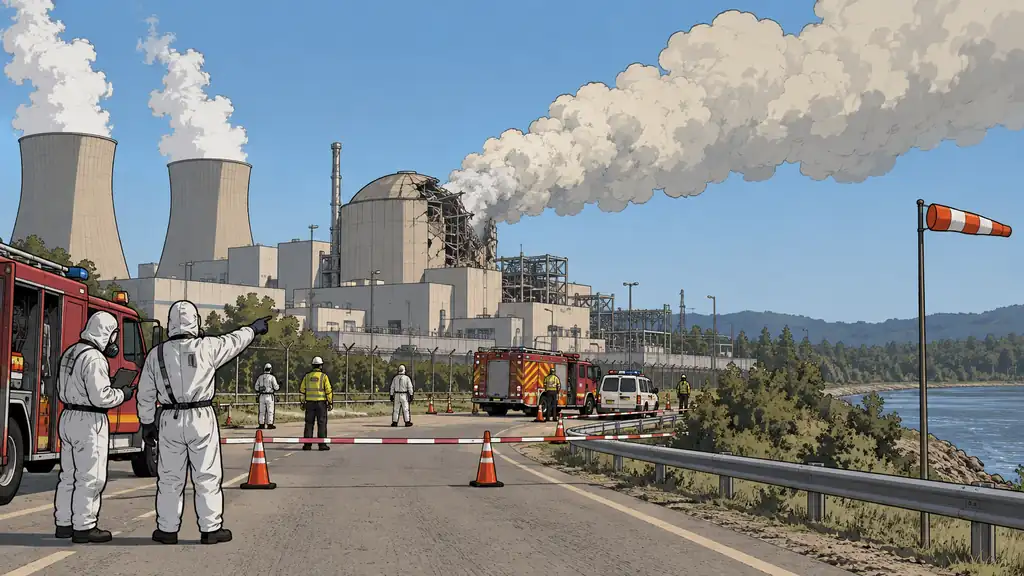
The danger travels downwind, and whether it reaches you comes down to distance and wind. Answer that first, then a cheap, specific kit does the rest.
 Reality-Check
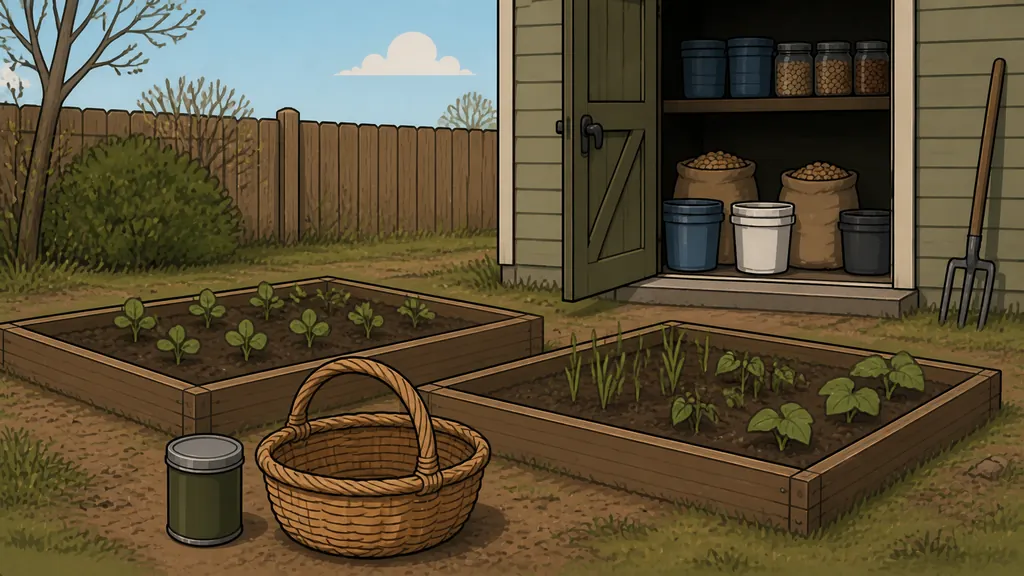
A seed bank feels like food security. It isn't — gardening at survival scale is a multi-year skill, and the crops that feed you aren't the ones on the seed-packet rack.
 Deep Dive
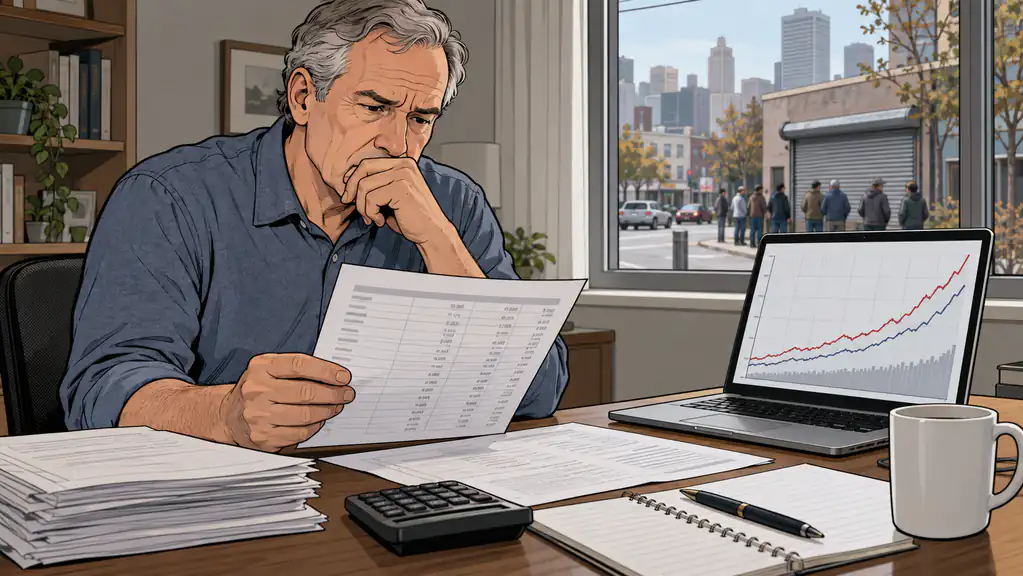
Predictions about the failure of the US economy is common in preparedness circles. What does history and the data say, and if it happens, what would it look like?
 Reality-Check
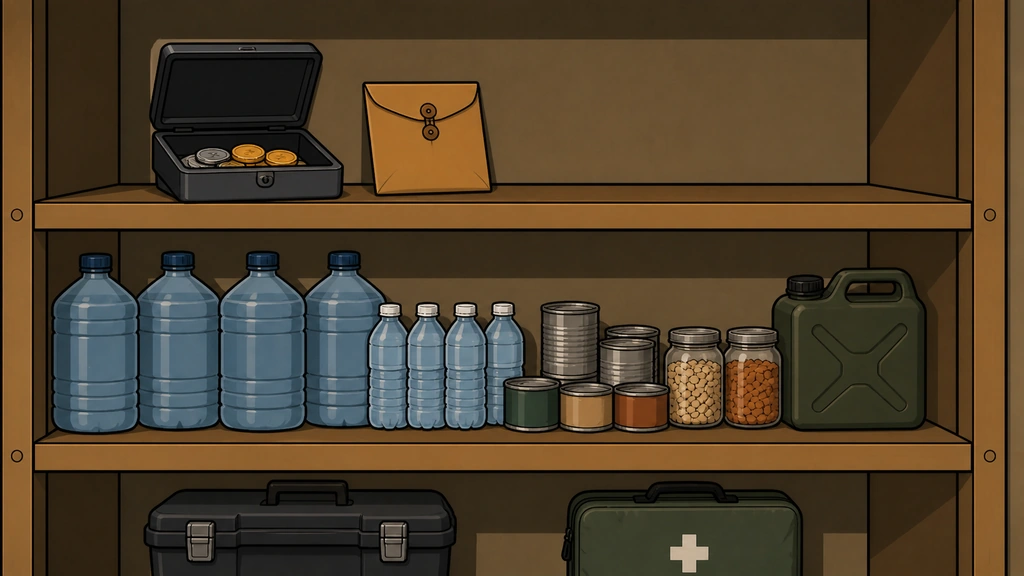
Precious metals have a real place in a prep — but it's near the bottom of the ladder, not the top. Build the base that keeps you alive first, then hedge what's left.
 Deep Dive
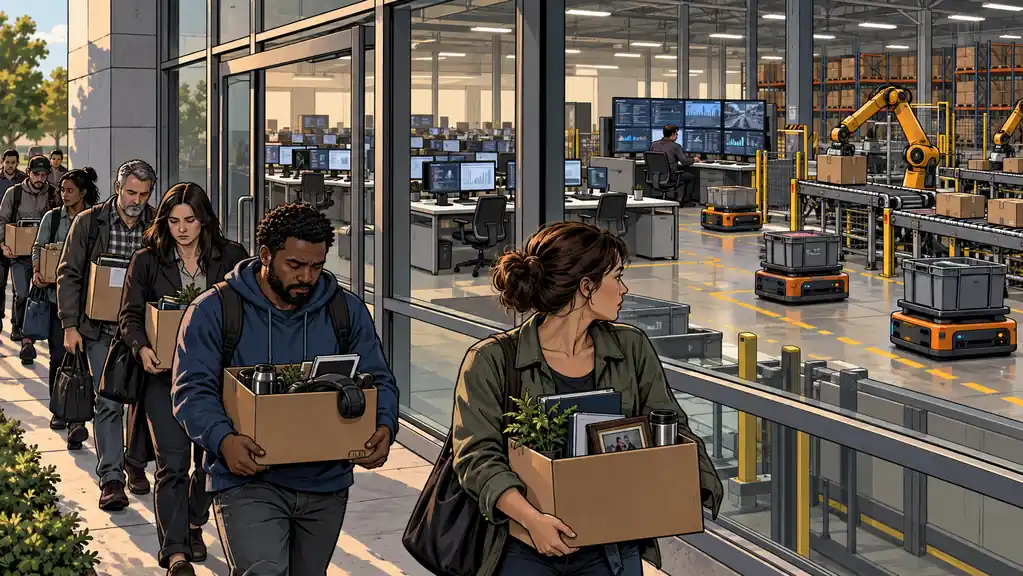
The comforting story is that technology always destroys some jobs and creates more — so AI will too. The mechanics of this one break that pattern, and the household that plans for a permanent income shock instead of a temporary one is the one that comes through it.
 Primer
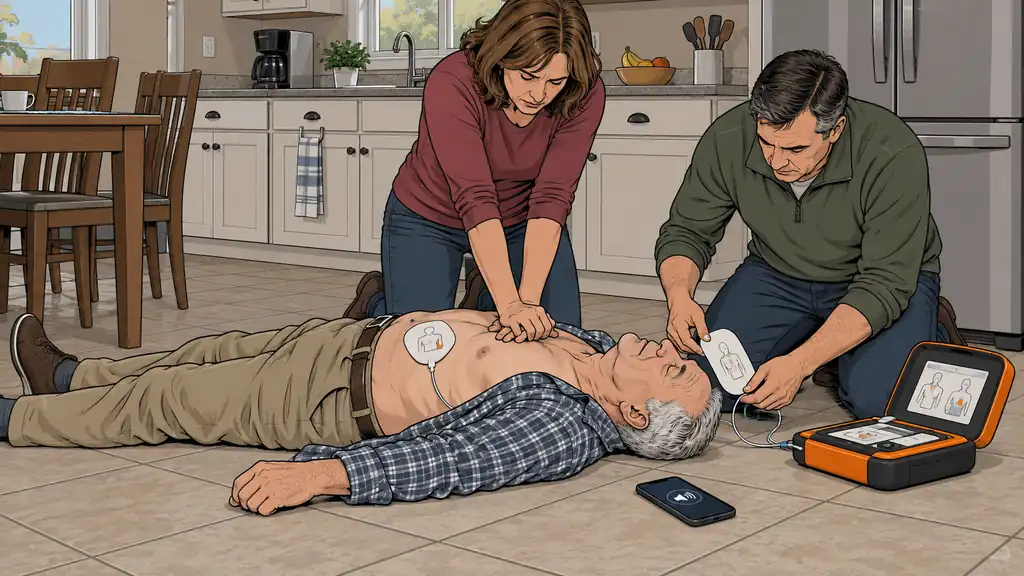
A medical emergency is the highest-impact threat your household can realistically face. Readiness is measured in skills, supplies, and how fast you can act — not dollars.
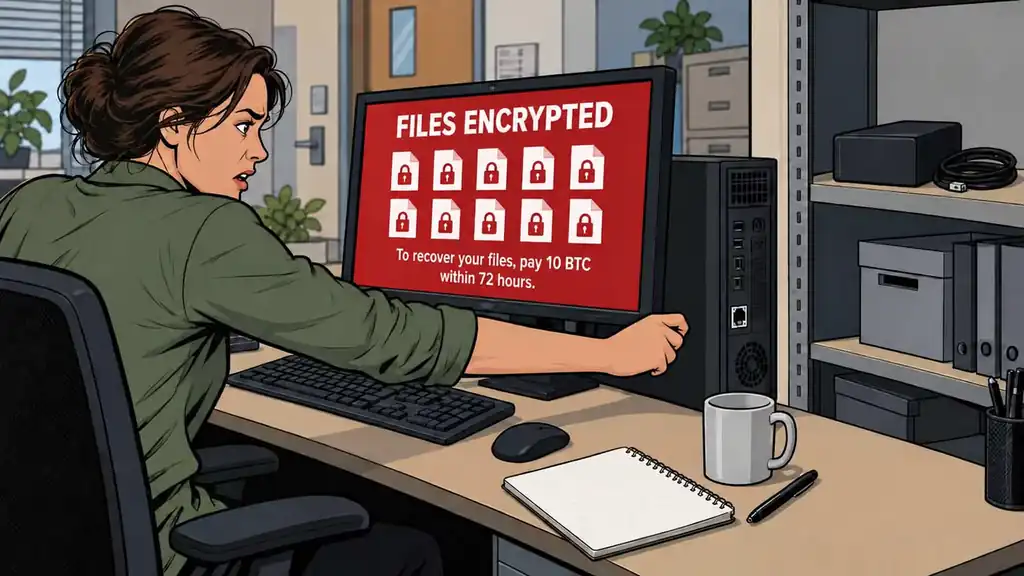 Primer
How ransomware gets in, why cloud sync isn't a backup, and the 3-2-1 rule that turns a personal catastrophe into an afternoon of restoring files.
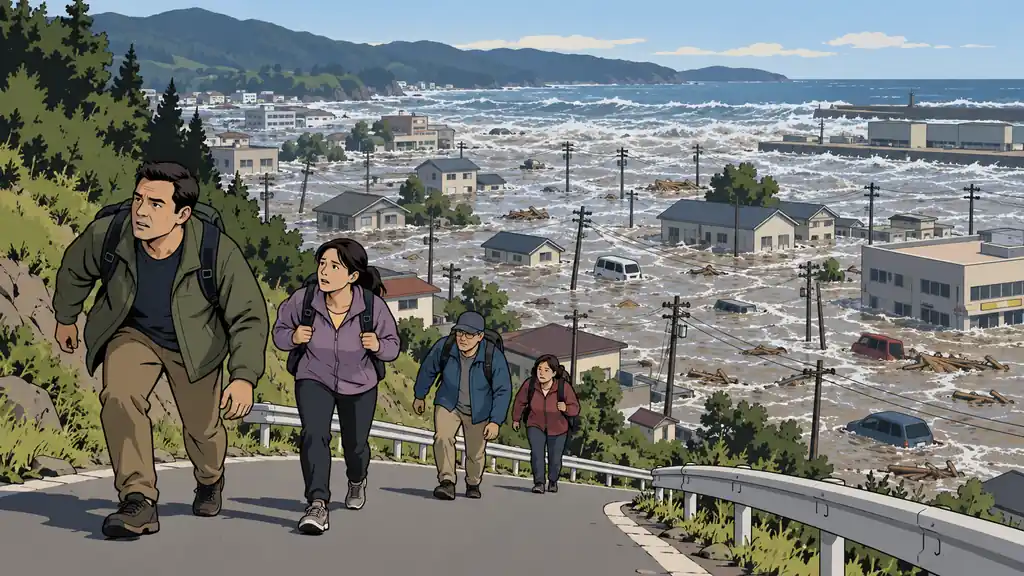 Primer
A rare threat with a brutal simplicity: for an exposed coast, preparedness is a pre-walked route to high ground and the discipline to move on the shaking, not the siren.
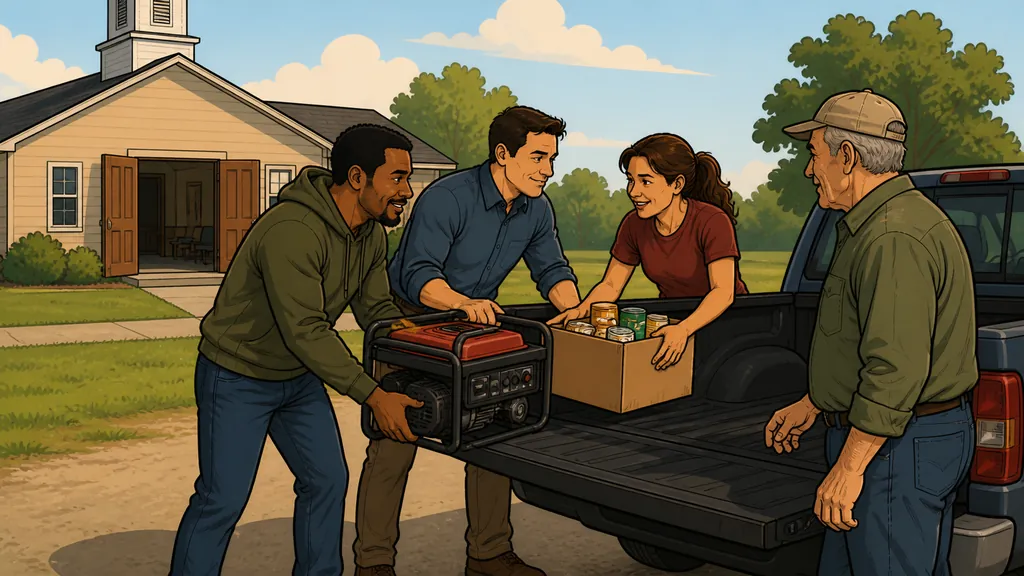 Editorial
No one carries a long emergency alone. The most valuable asset most preppers already have — and quietly ignore — is a body of people who'll show up.
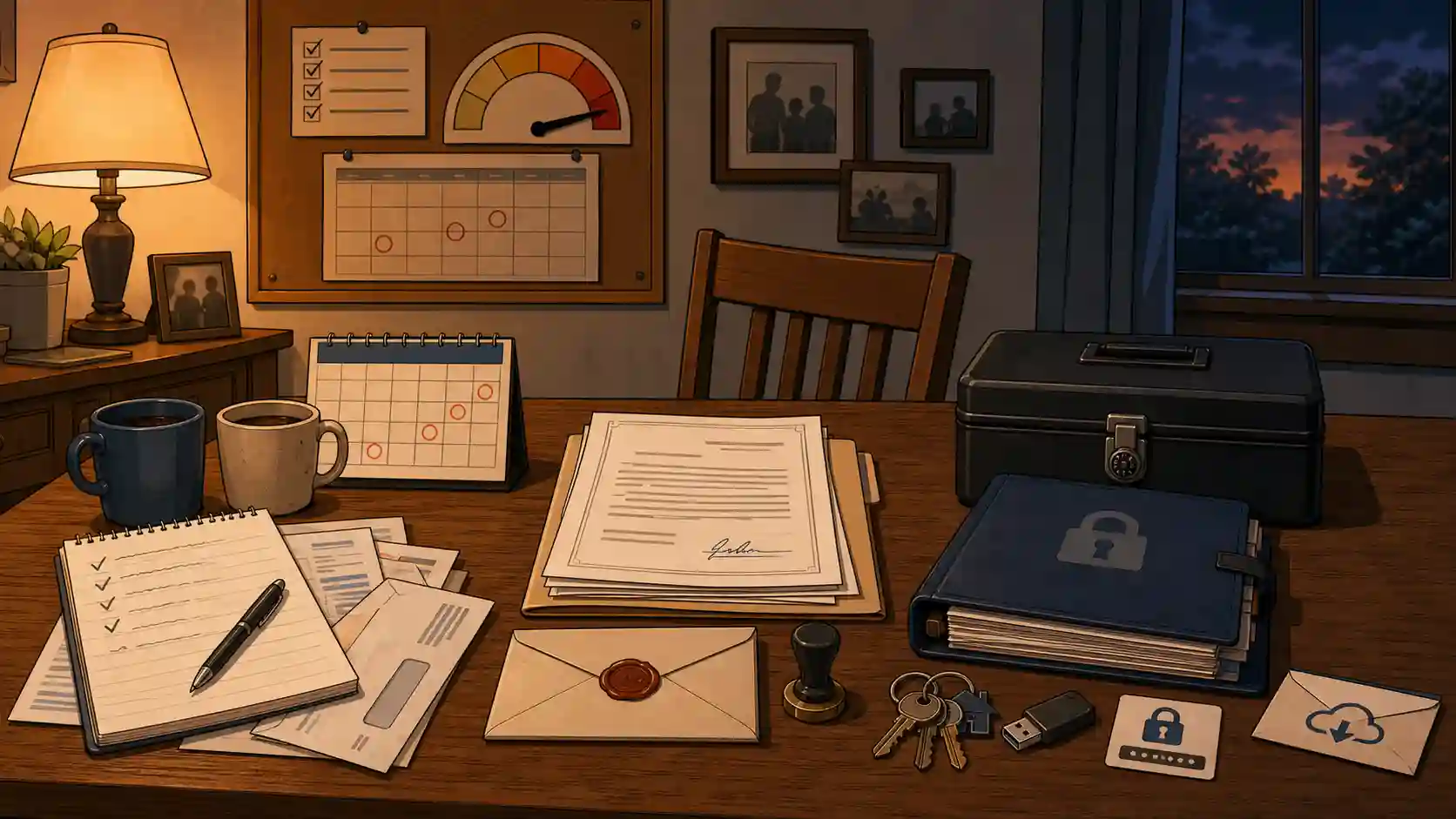 Reality-Check
Everyone dies. The only threat on this site with a 100% likelihood rating is also the one almost nobody prepares for — here's the conversation, the paperwork, and the wishes.
 ★ FeaturedDeep Dive
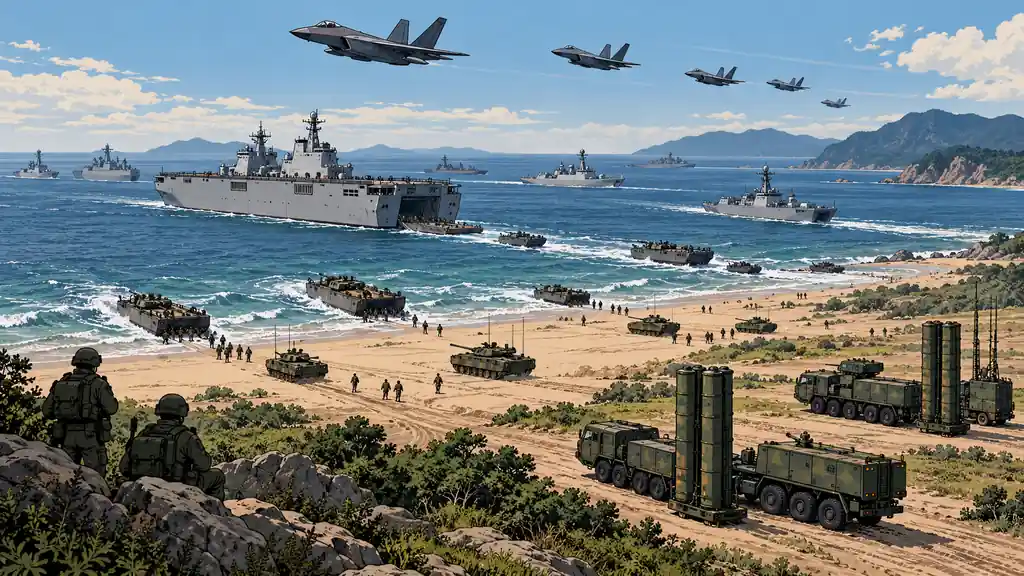
The 2025 edition of the military assessment on the military and security developments involving the People's Republic of China.
 Deep Dive
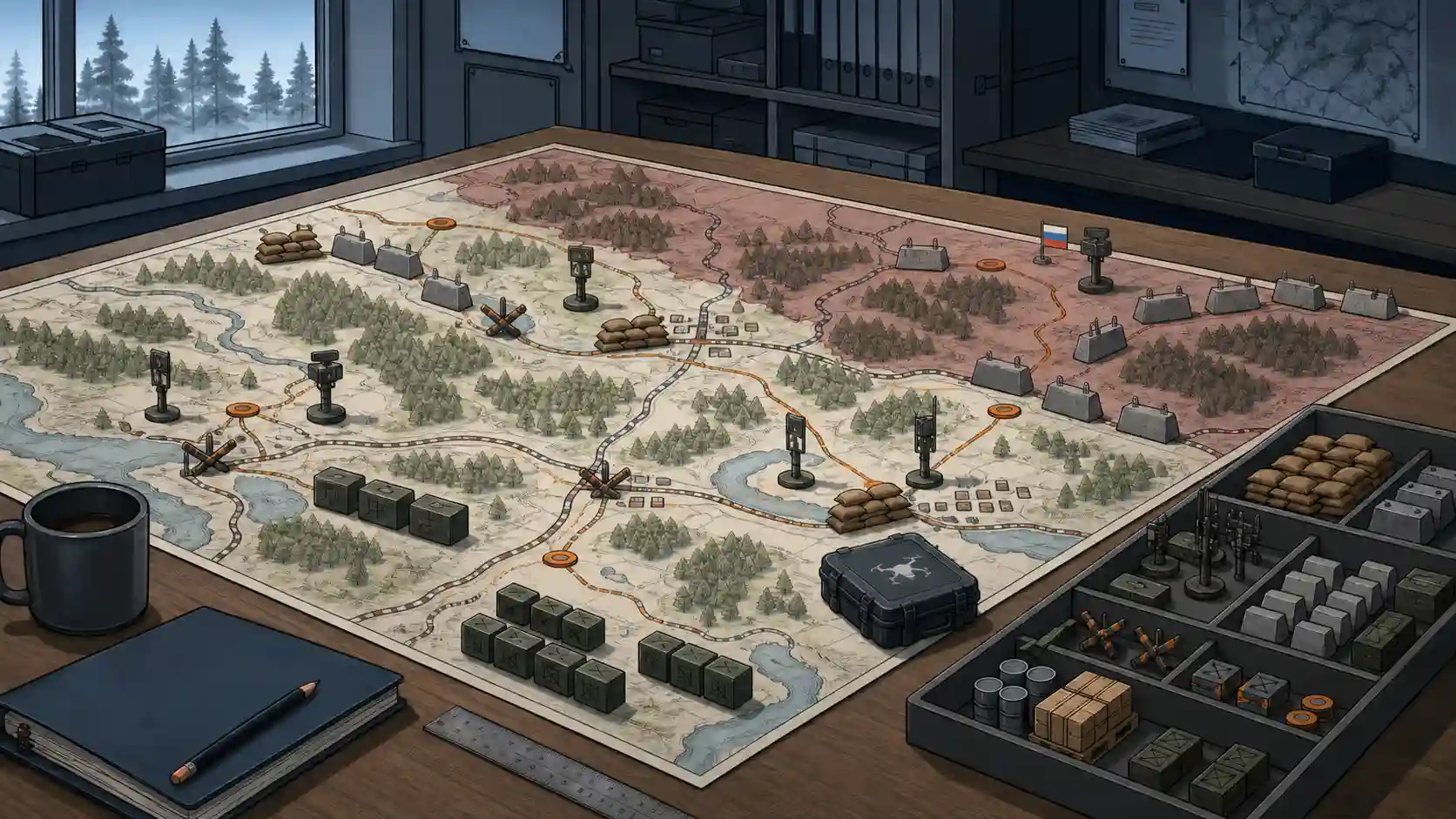
Finland, Poland and the Baltics are hardening NATO's eastern edge — reservists by the hundred-thousand, a €10 billion fortification line, a drone wall. The people closest to the threat are the least frantic about it. That's the lesson, not the war talk.
 Deep Dive
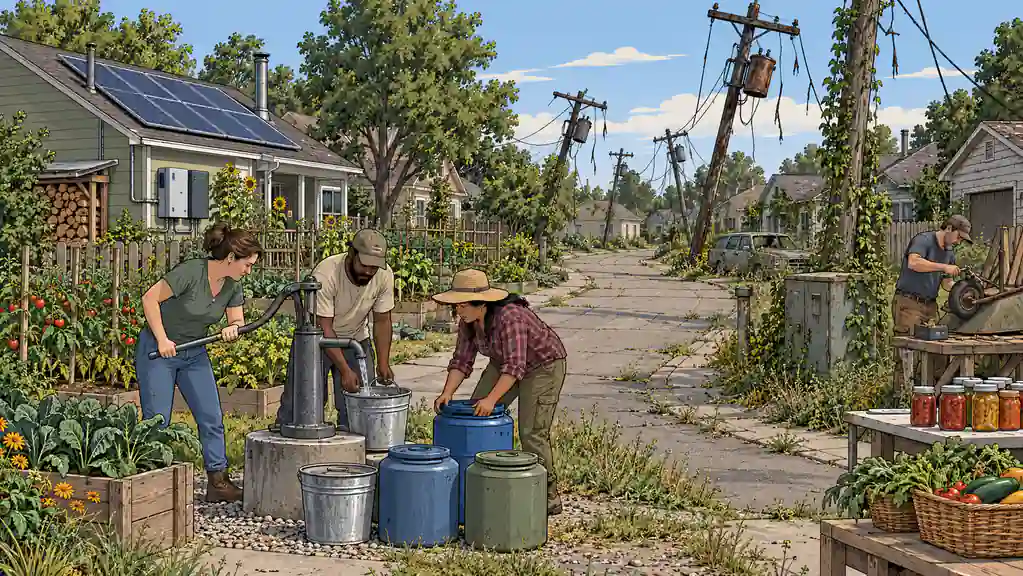
A decade without power is one of the least likely things on the list — but the water, food, heat, and skills it demands are the same ones every likely emergency needs. Build toward it, in proportion.
 Primer
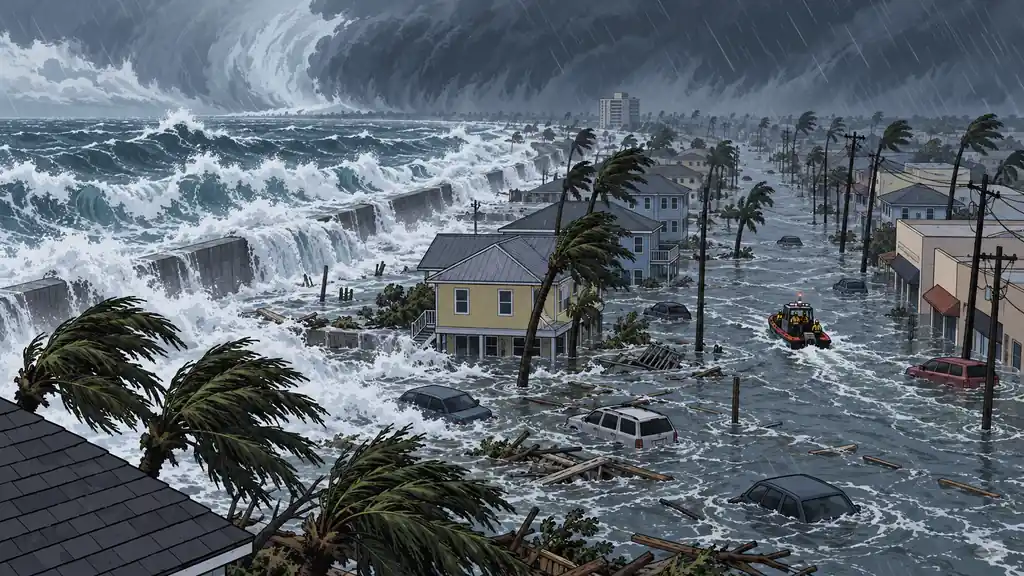
Hurricanes are survivable because they warn you for days. You waste that warning if leave-or-stay is a decision you make in the driveway instead of a line you drew before the season.
 Primer
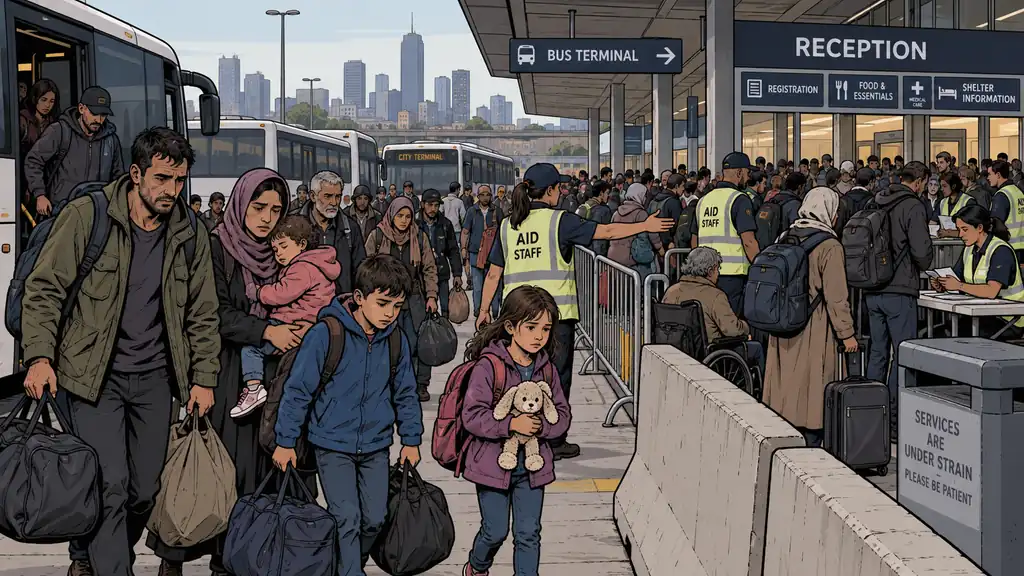
It reshapes an area over years, not overnight. The honest response is understanding and general reserves — measured awareness, not stockpiling against a wave.
 Editorial
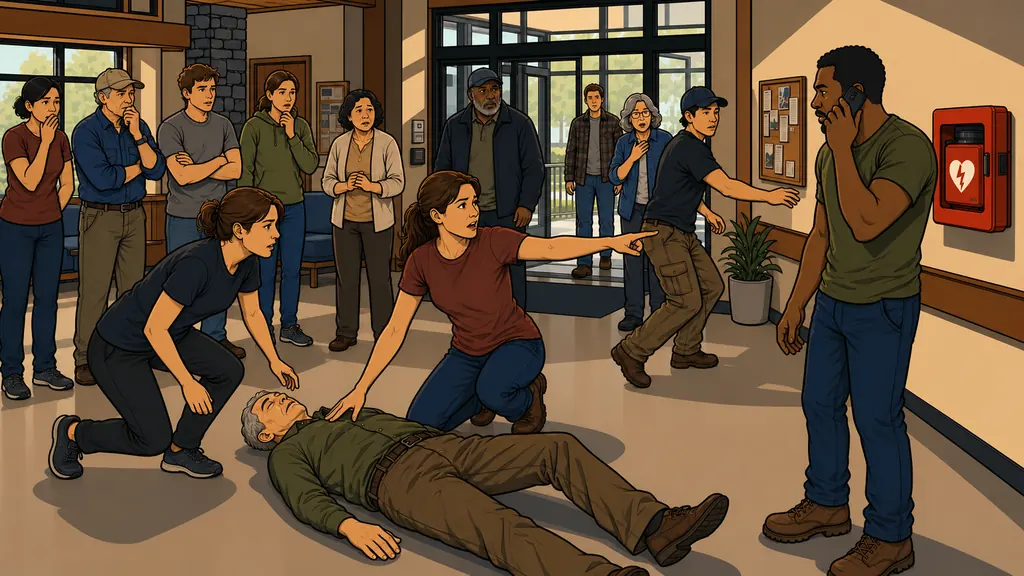
The bystander effect isn't a character flaw. It's the default. And a prepared community usually needs one person to break it before anyone else moves.
 Reality-Check
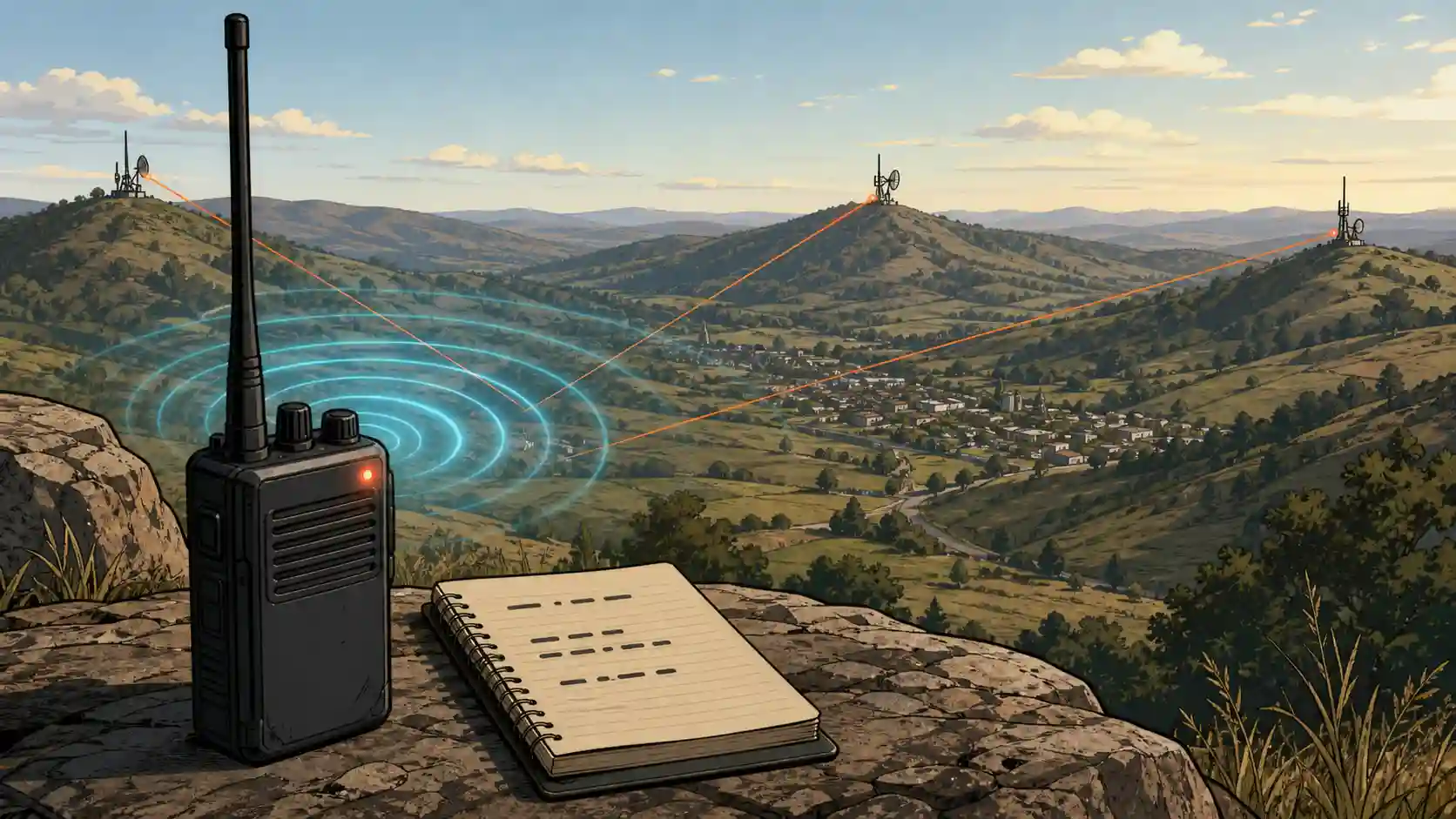
Privacy tones aren't privacy. Encryption is mostly illegal and only needed in specific circumstances. The moment you transmit, you've told everyone with an antenna exactly where you are — so the discipline matters more than the features.
 Primer
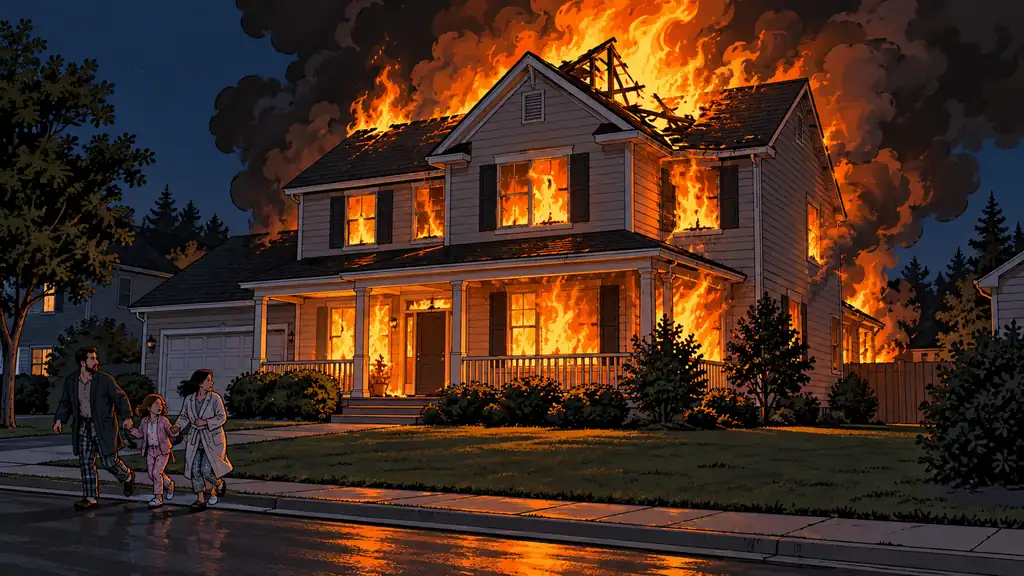
A modern room goes unsurvivable in about three minutes. You don't win a house fire during the fire; you win it months earlier, with alarm placement, one rehearsed way out, and a closed door.
 Primer
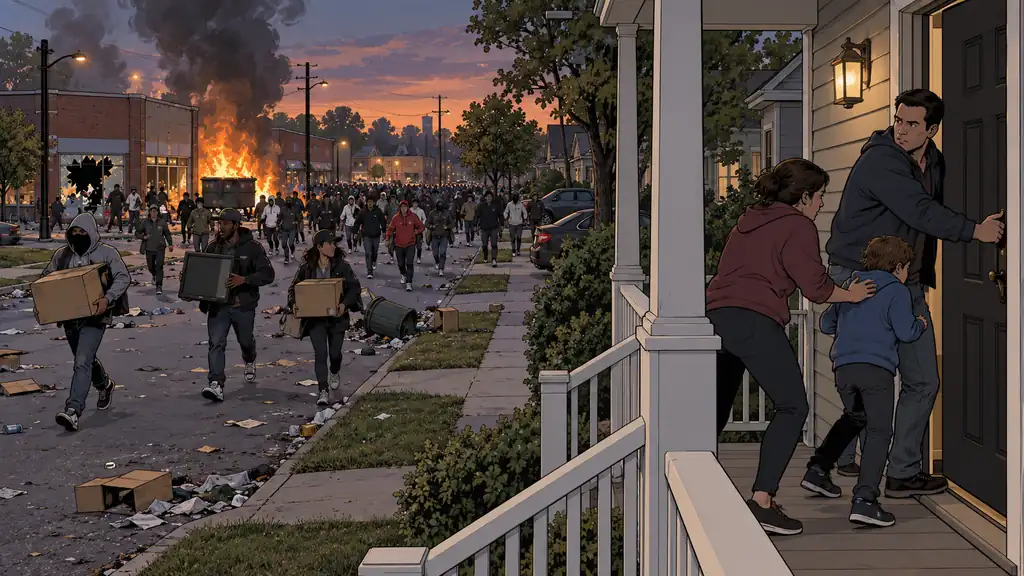
A downtown riot you avoid by staying home. A broad, sustained breakdown is different — sooner or later the desperate come to where the prepared are, and the hardest decision you'll ever make is one you have to make before it arrives.
 Deep Dive
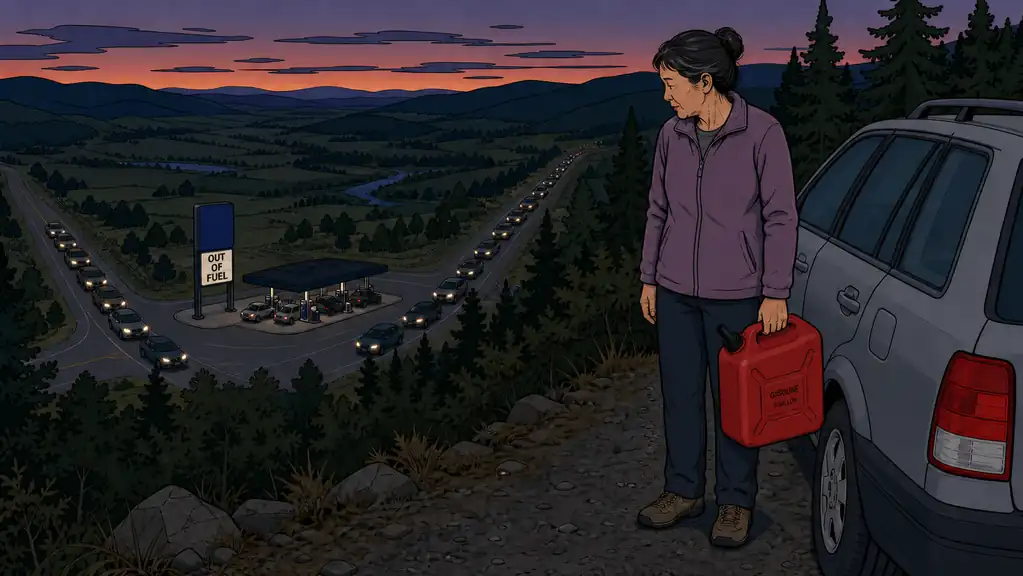
The plan to 'fill up on the way out' dies at a dark gas station. Range you didn't store is range you don't have — so the real fuel prep is the reserve in your shed and the discipline to keep it fresh.
 Deep Dive
An Arctic outbreak is a countdown, not an inconvenience. Stage a warm room, a week of water and no-cook food, and pipe protection, and a life-safety emergency drops back to a bad week indoors.
 Reality-Check
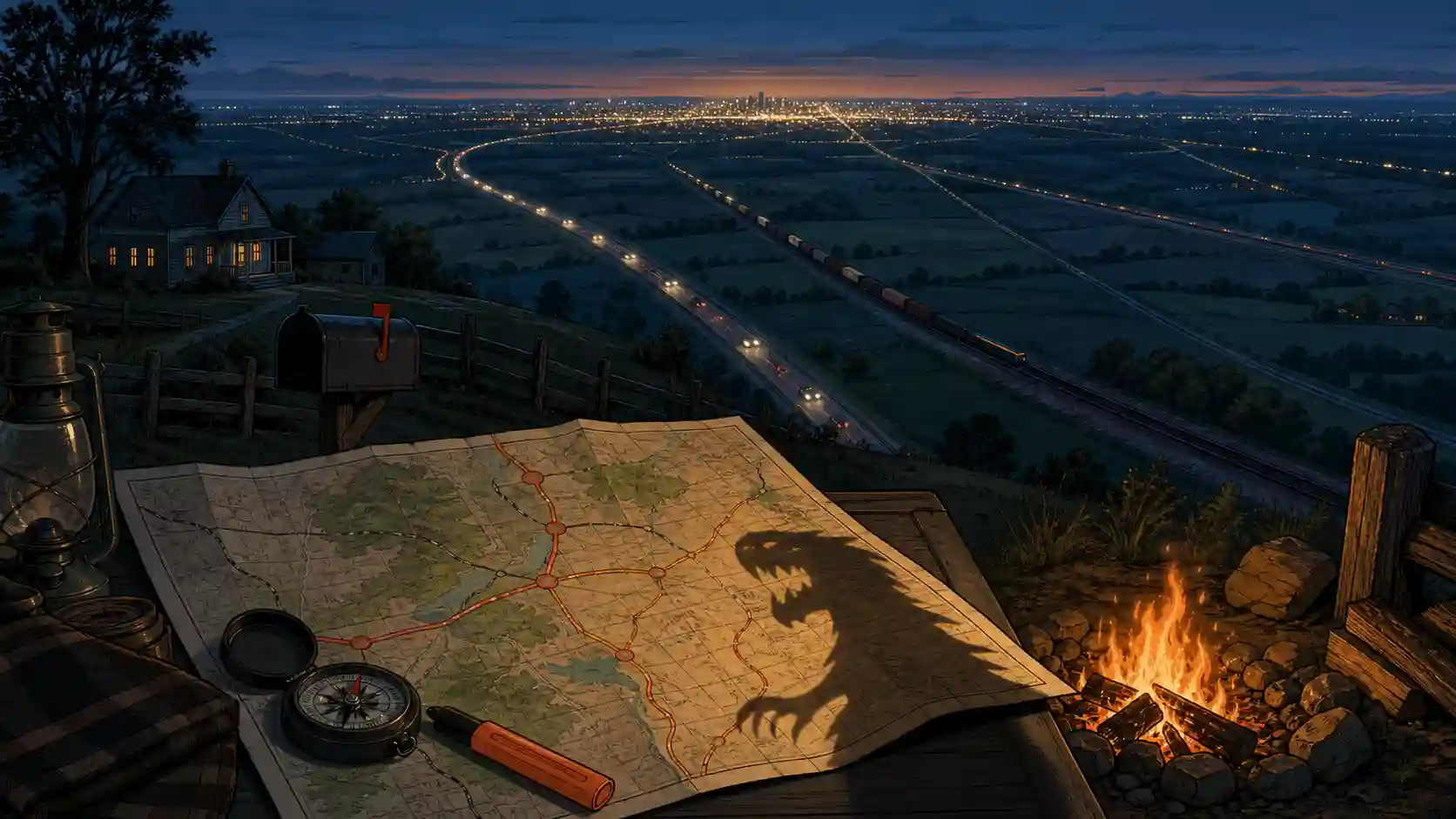
Everyone repeats it. Almost nobody checks it. The horde is real in a narrow, specific way — and the way it's actually shaped is nothing like the story.
 Primer
Stress piles up during every other emergency, right when you need to think straight. A steady, supported mind is the prep that makes all the rest work.
 Deep Dive
The rule is three hours without shelter, and your furnace quits the moment the grid does. A real backup-heat plan is measured in fuel and square feet, not good intentions.
 Primer
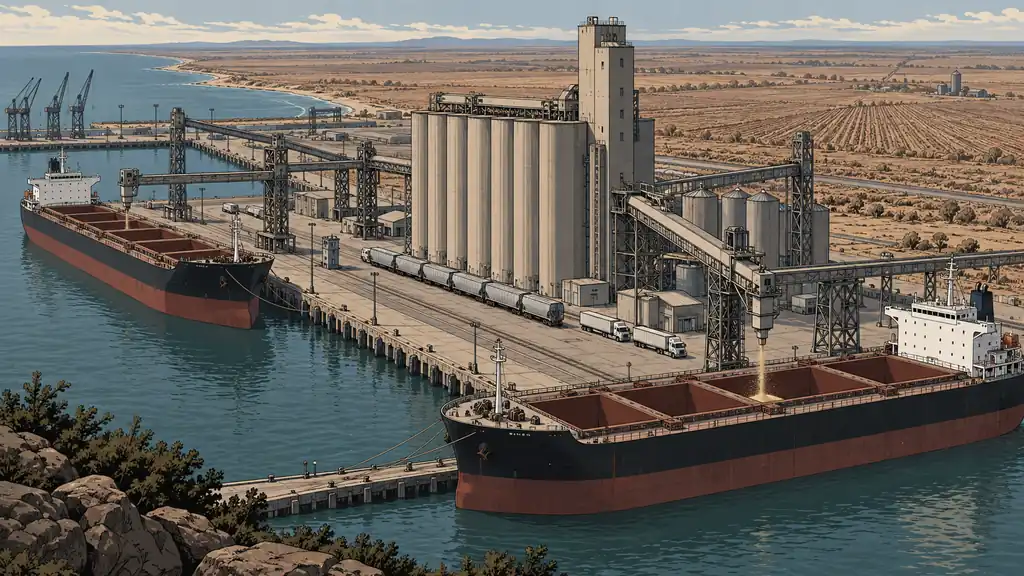
A multi-year global harvest failure is deeply improbable and maximally severe. Doing it right means a larder measured in months-to-years, plus the growing skill that outlasts any stockpile.
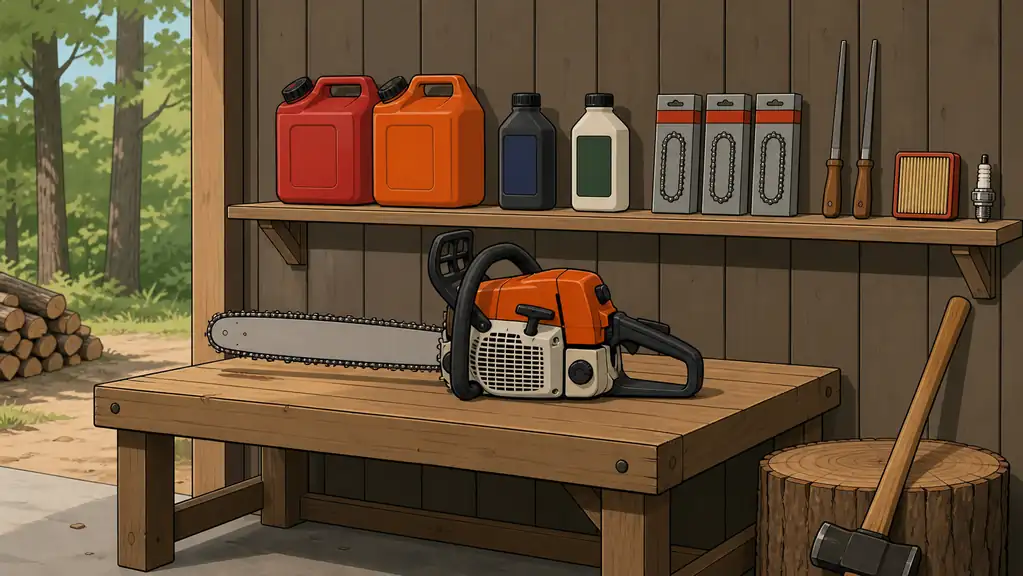 Primer
The tool is the one-time purchase. The bar oil, chains, files, and fuel are the actual plan — and they run out on a schedule nobody counts.
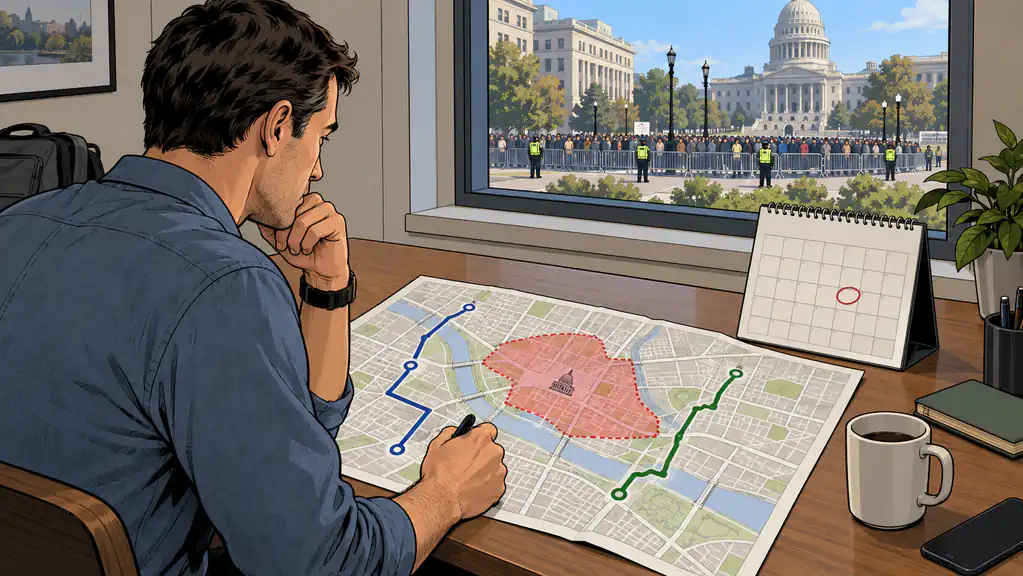 Deep Dive
This is one of the few threats you can see coming. Know the dates, know the places crowds gather, keep enough at home to skip the store for a few days — and you're simply never in the wrong spot.
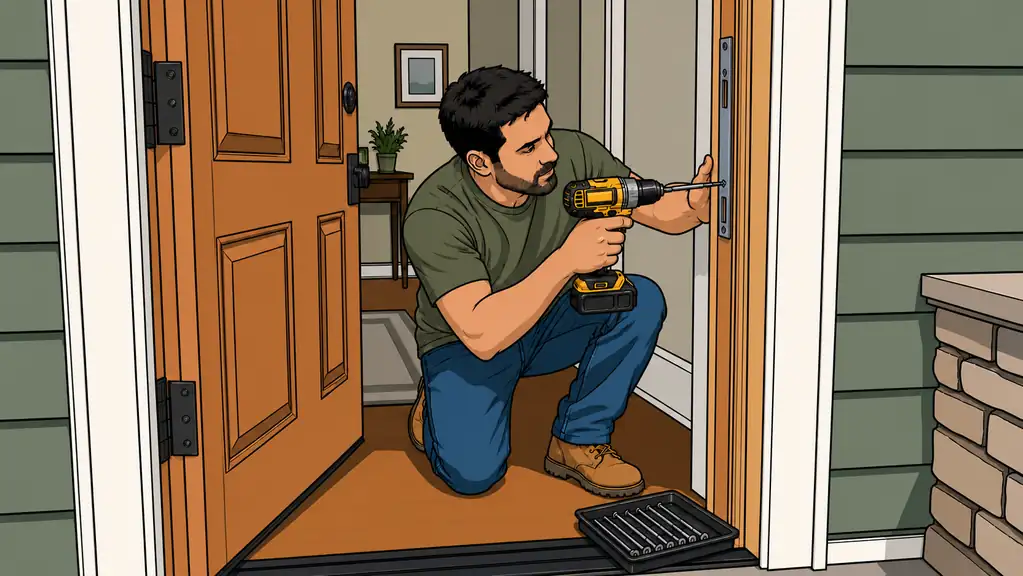 How-To
The lock is rarely the weak point — the wood around it is. Hardening entry points is the 'delay' layer, and it's the cheapest seconds you'll ever buy.
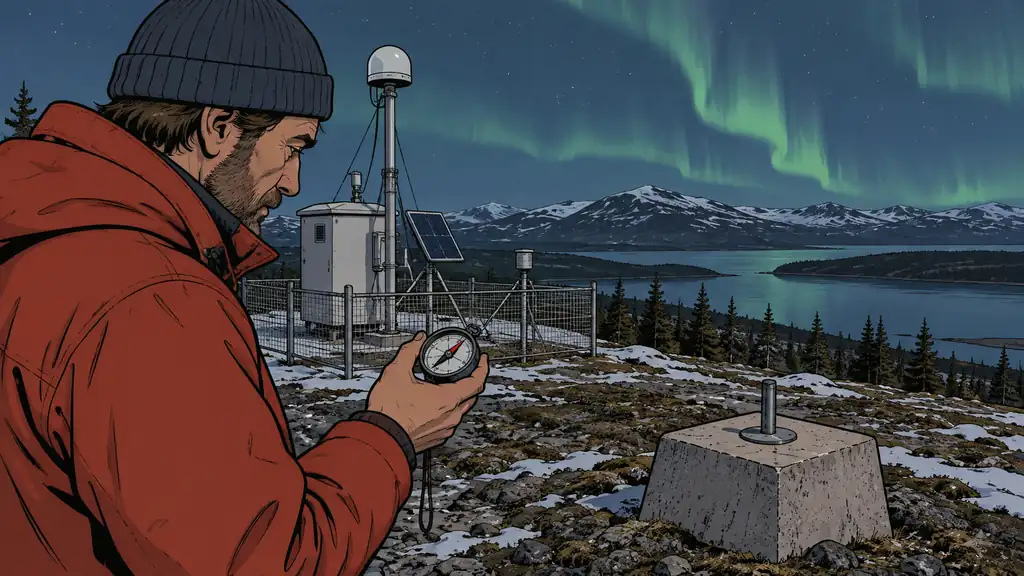 Reality-Check
Two very different ideas travel under one name. One is measured, published science. The other is speculation dressed as prophecy. A prepper's job is to tell them apart before deciding what, if anything, to do about it.
 Primer
It's rare, it's fast, and the people who do best are the ones who already knew their exits and their plan.
 Primer
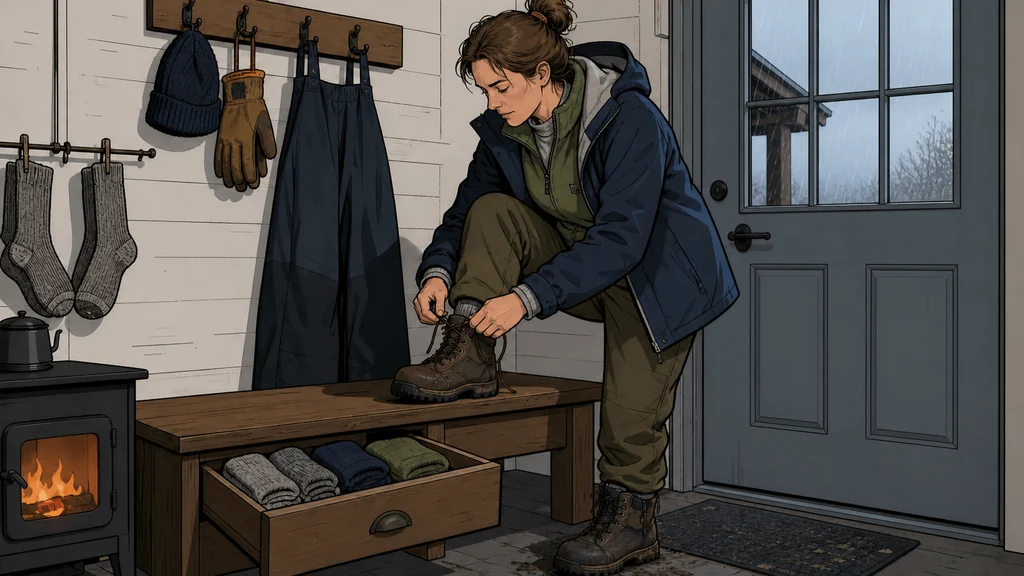
A full closet feels like a solved category. But clothing is a life-support system worn on the body — and most people stock for fashion, not for function.
 Deep Dive
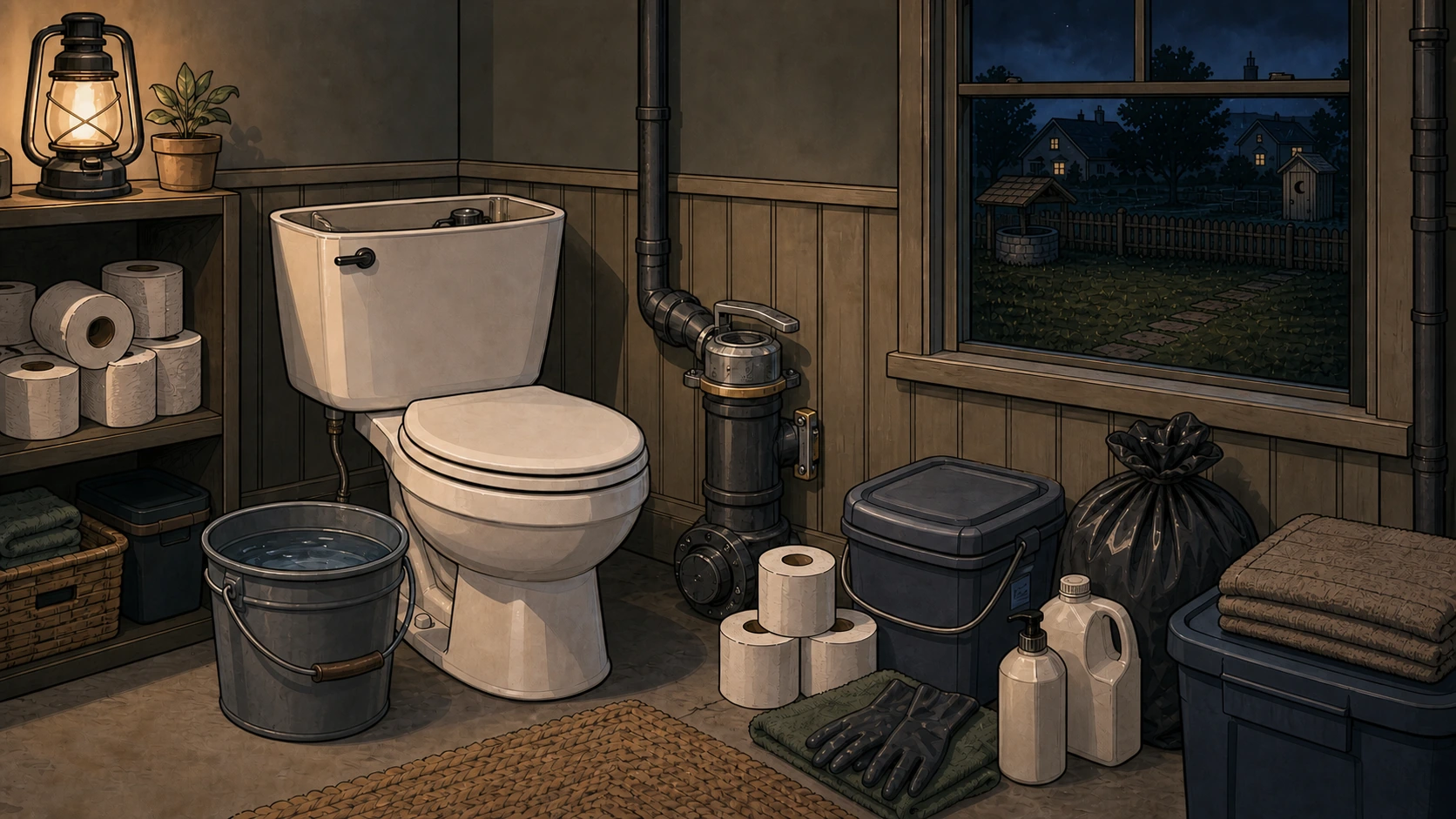
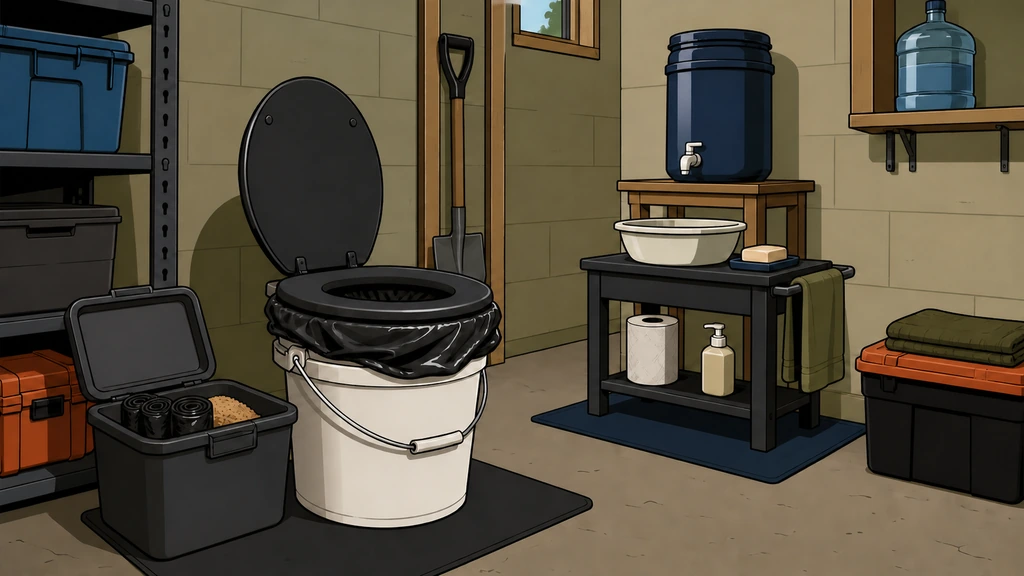
Trauma gets the trauma kit. But in a long grid-down event, it's a failed toilet and unwashed hands — not a wound — that put the most people on their backs at once.
 Primer
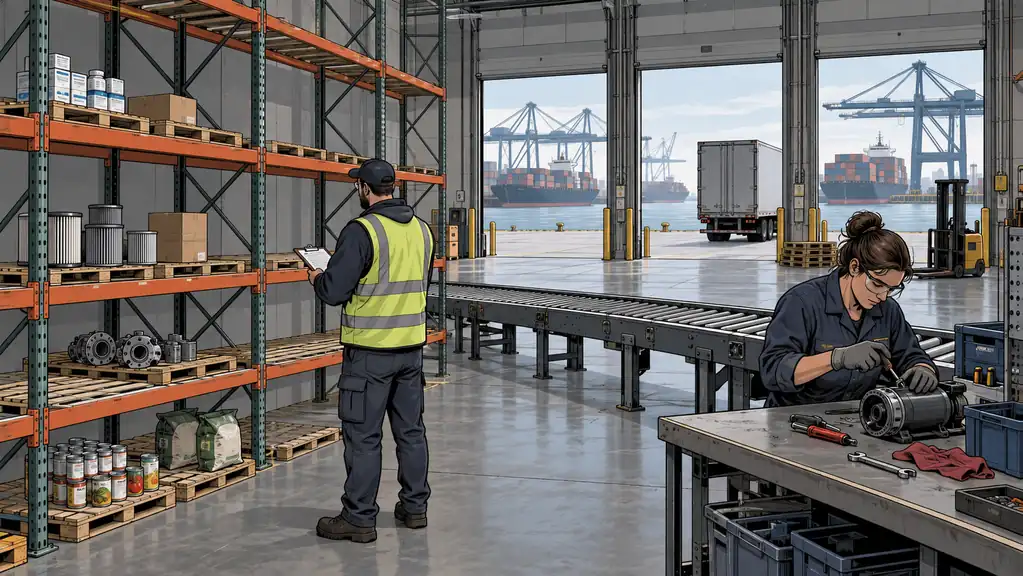
A global just-in-time failure means shortages across many categories at once, for months. The answer is deeper stores, spares, the skill to make and fix, and a local economy you're plugged into.
 Primer
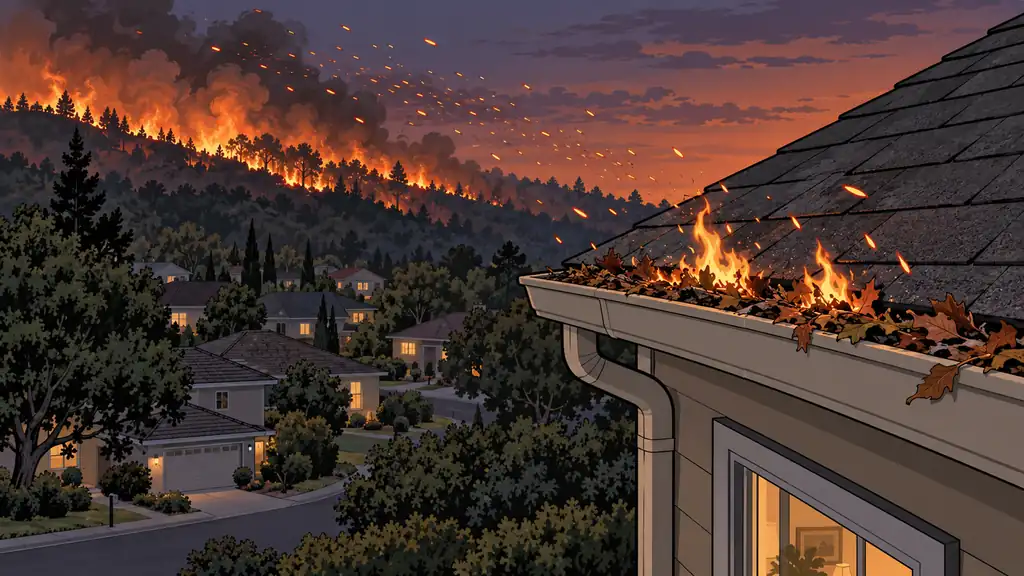
Interface fires are won or lost in the first five feet and in the decision to leave early. Both get decided months before the smoke shows up.
 Deep Dive
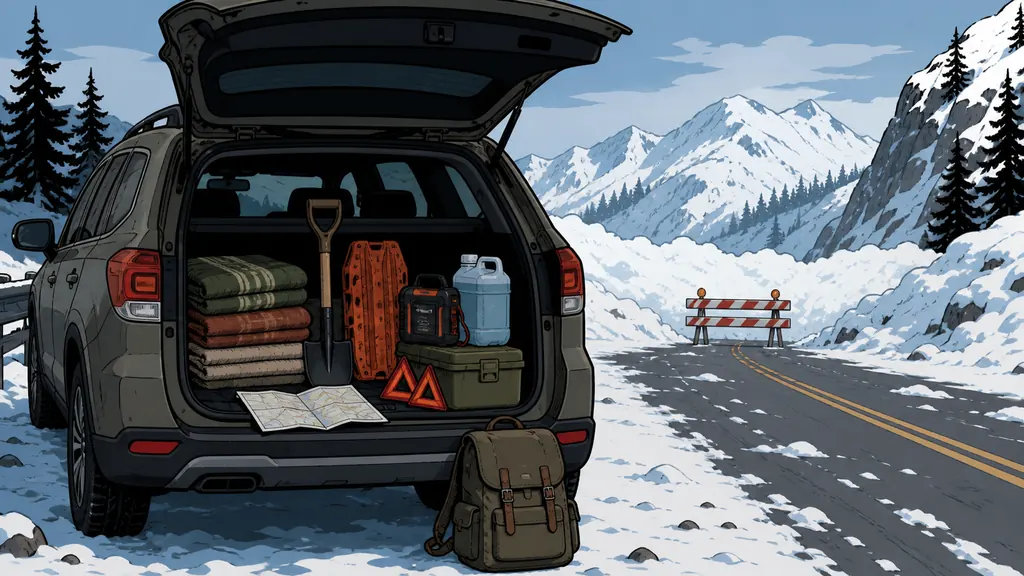
You spend hours a week in a two-ton box that can haul what no backpack can — and it's where your most likely emergency actually finds you. The vehicle kit is the tier most preppers skip.
 Deep Dive
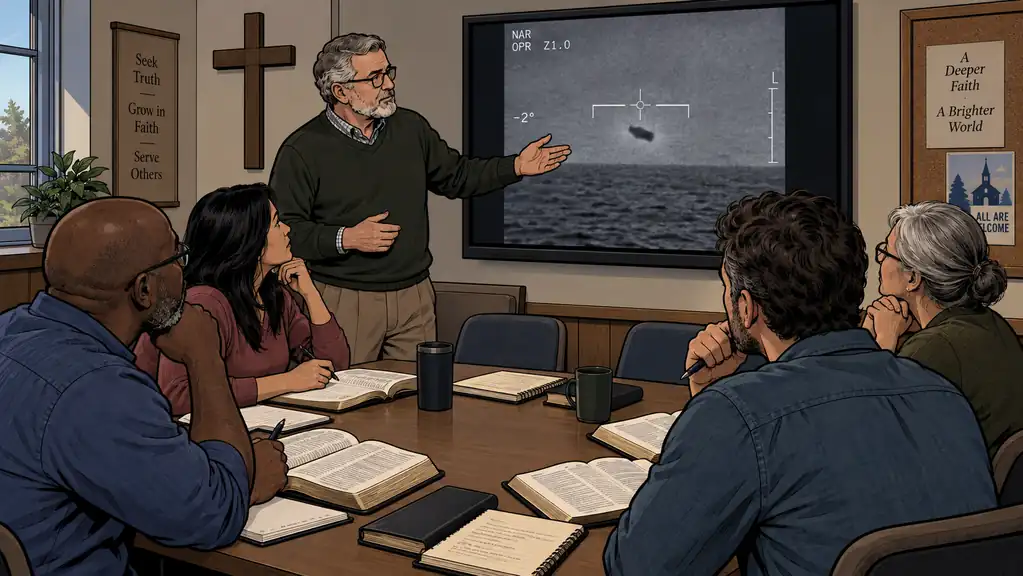
The government has admitted it can't explain what's in our skies. Run the whole thing through a biblical worldview and the most consistent answer isn't little green men — it's something older and darker.
 Reality-Check
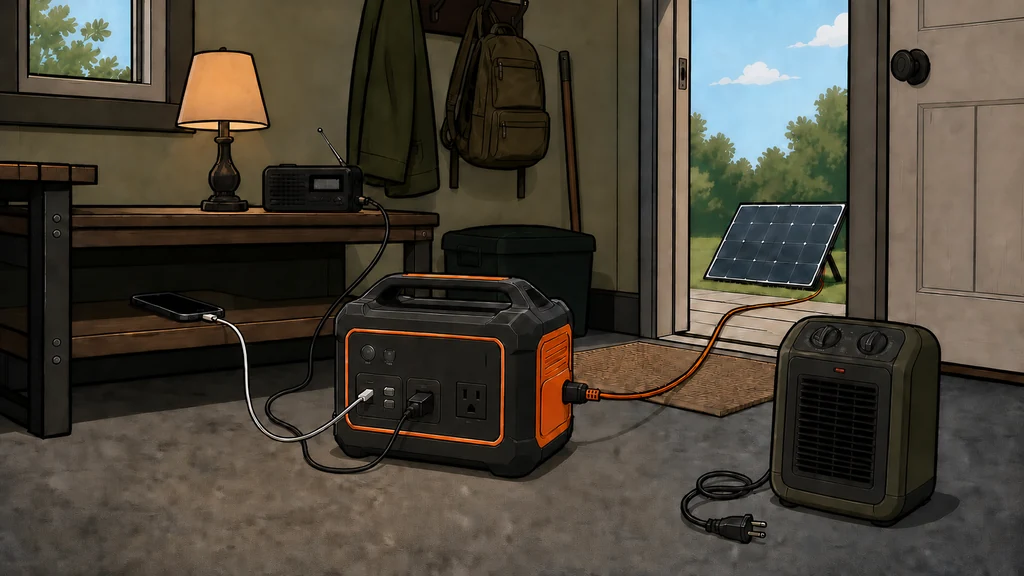
The glossy 'whole-home backup' box is a fixed pile of watt-hours that only goes down. Whether it's a bridge or a brick comes down to one question: how do you refill it?
 Deep Dive
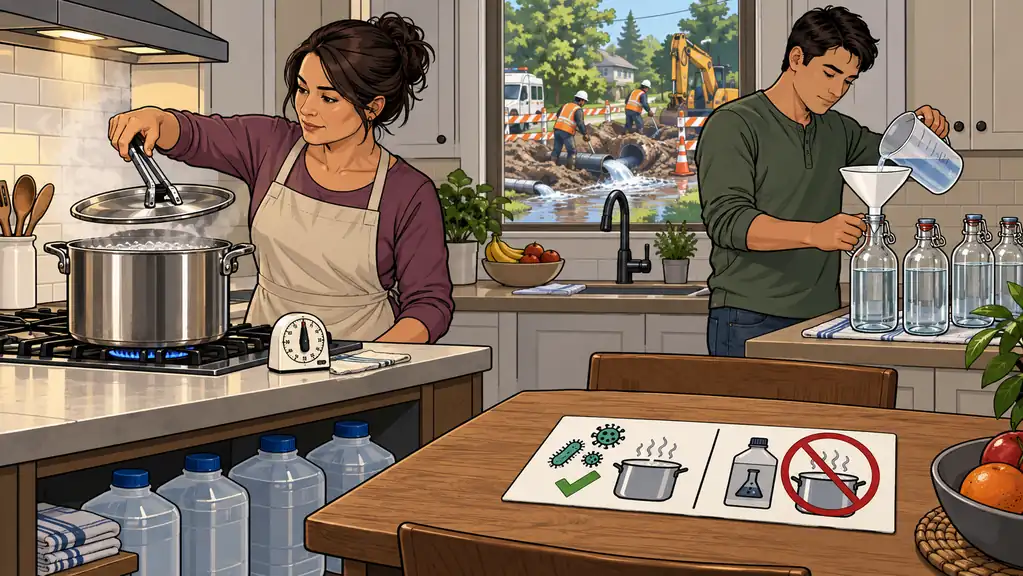
The most-common water disruption is a graded rehearsal for the worst one. Learn the systems that fail, the chemistry of making water safe and its limits, and a supply engineered across durations.
 Primer
Completed stranger abductions are rare. Attempts and family takings are far more common and underreported — and they're beaten by training, records, and a fast first hour.
 ★ FeaturedPrimer
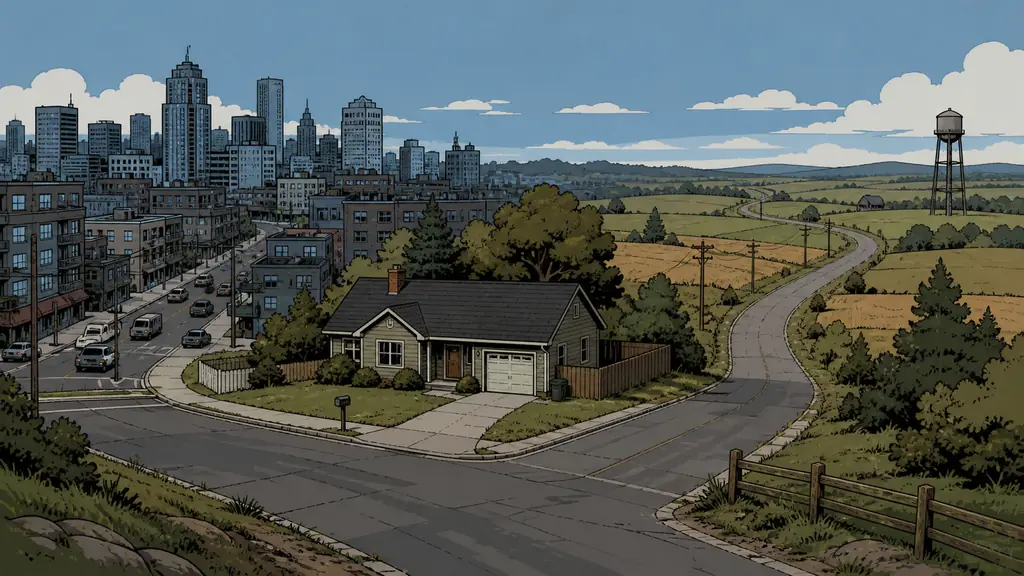
There's no universal prepper checklist. Roughly 83% of Americans live in cities standing on three fragile systems — and population density, not gear, sets the real size of the problem you're preparing for.
 Deep Dive
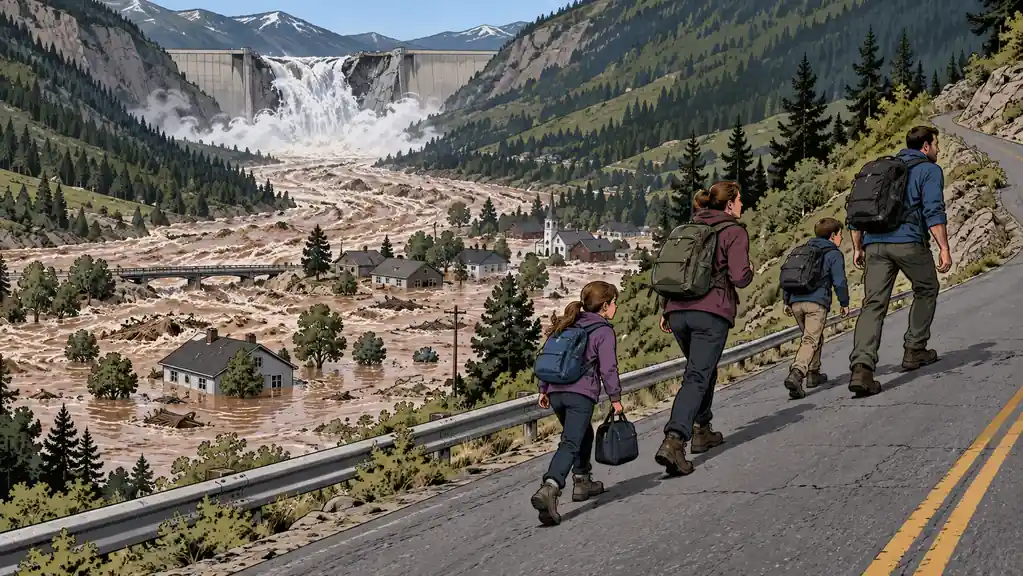
Rare, catastrophic, and fixed to one spot on the map. You don't out-supply a wall of water — you out-run it, which means knowing your high ground before it moves.
 ★ FeaturedPrimer
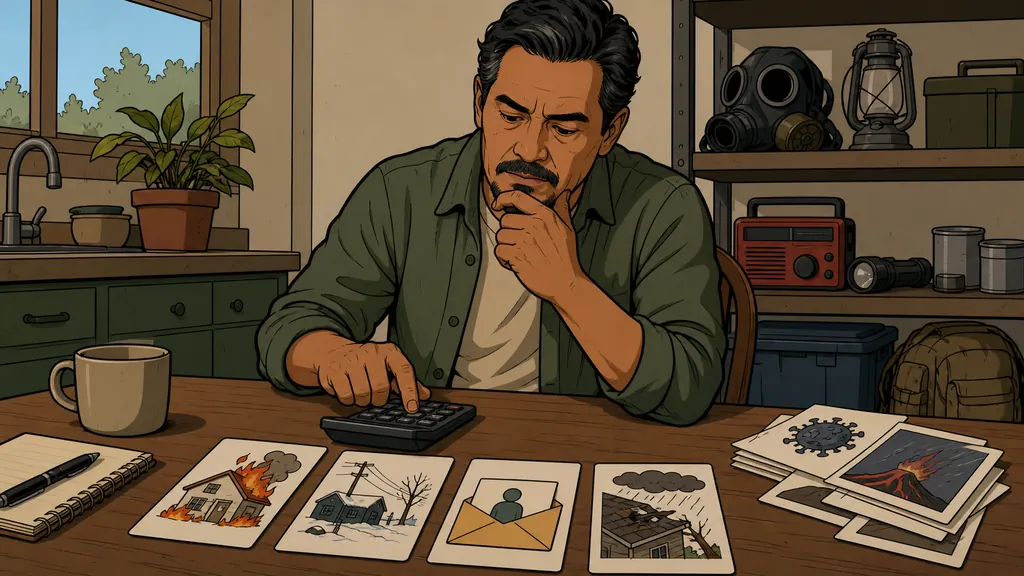
You can't prepare for everything, so you have to prioritize — and fear is a terrible sorting algorithm. Here's the three-number system that ranks threats honestly.
 Primer
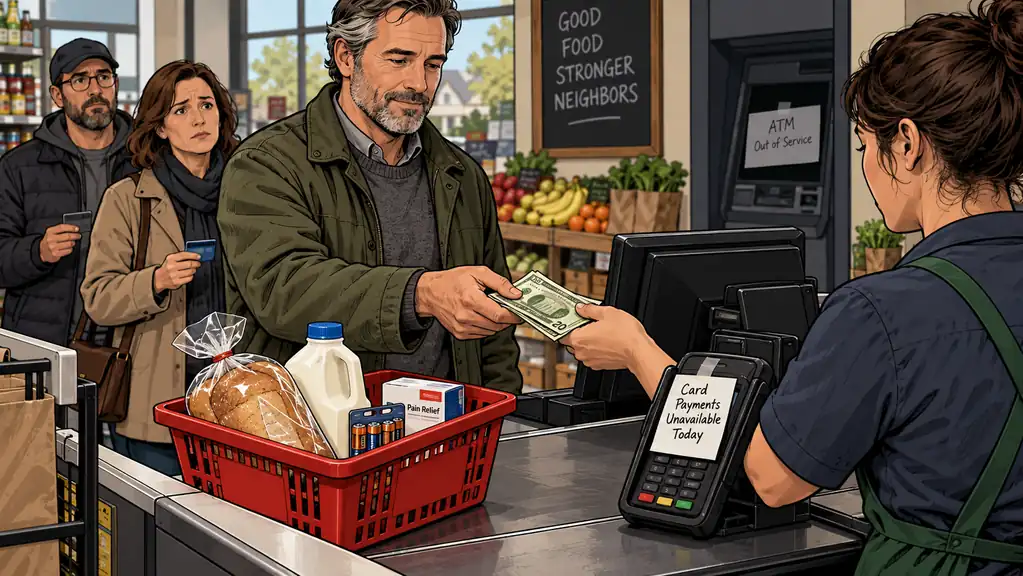
A cashless household can't buy essentials when the payment system hiccups — a little cash and good records bridge the gap.
 Primer
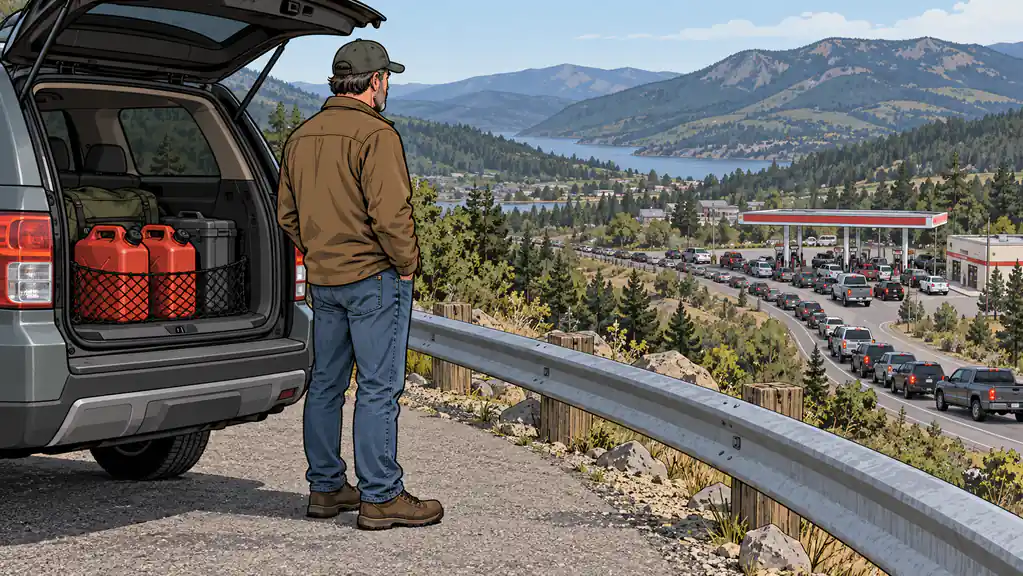
Most fuel shortages are a modest supply gap turned into empty pumps by everyone topping off at once. The half-tank habit and a little stored fuel put you above the whole mess.
 ★ FeaturedPrimer
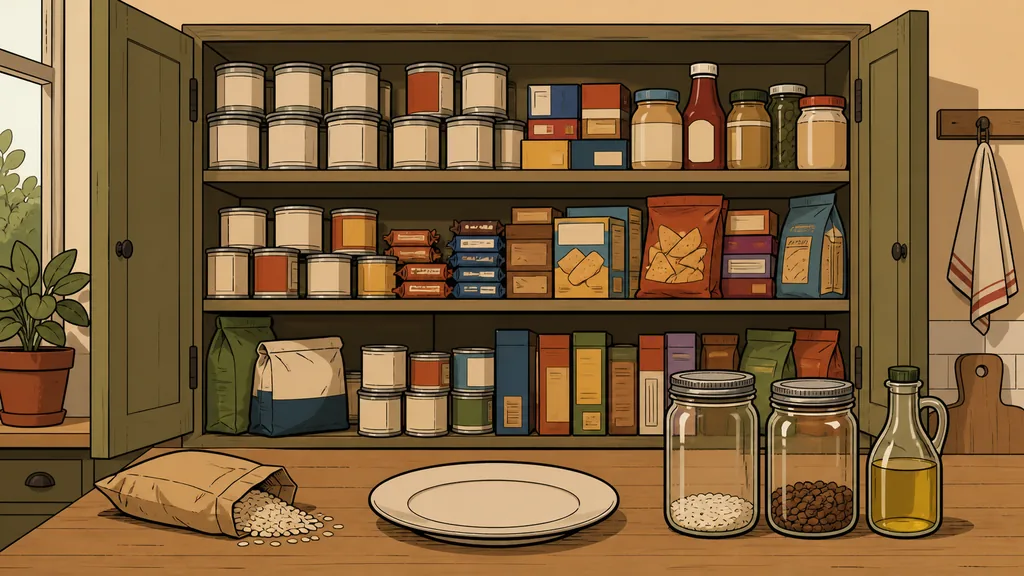
Most food stockpiles are built by the shelf, not the calorie. Here's the math and the packaging that decide whether a year of food actually lasts a year.
 Primer
Stranded is a self-rescue problem. What decides it is simple: what's in the trunk, how much fuel is in the tank, and who knows your route.
 Editorial
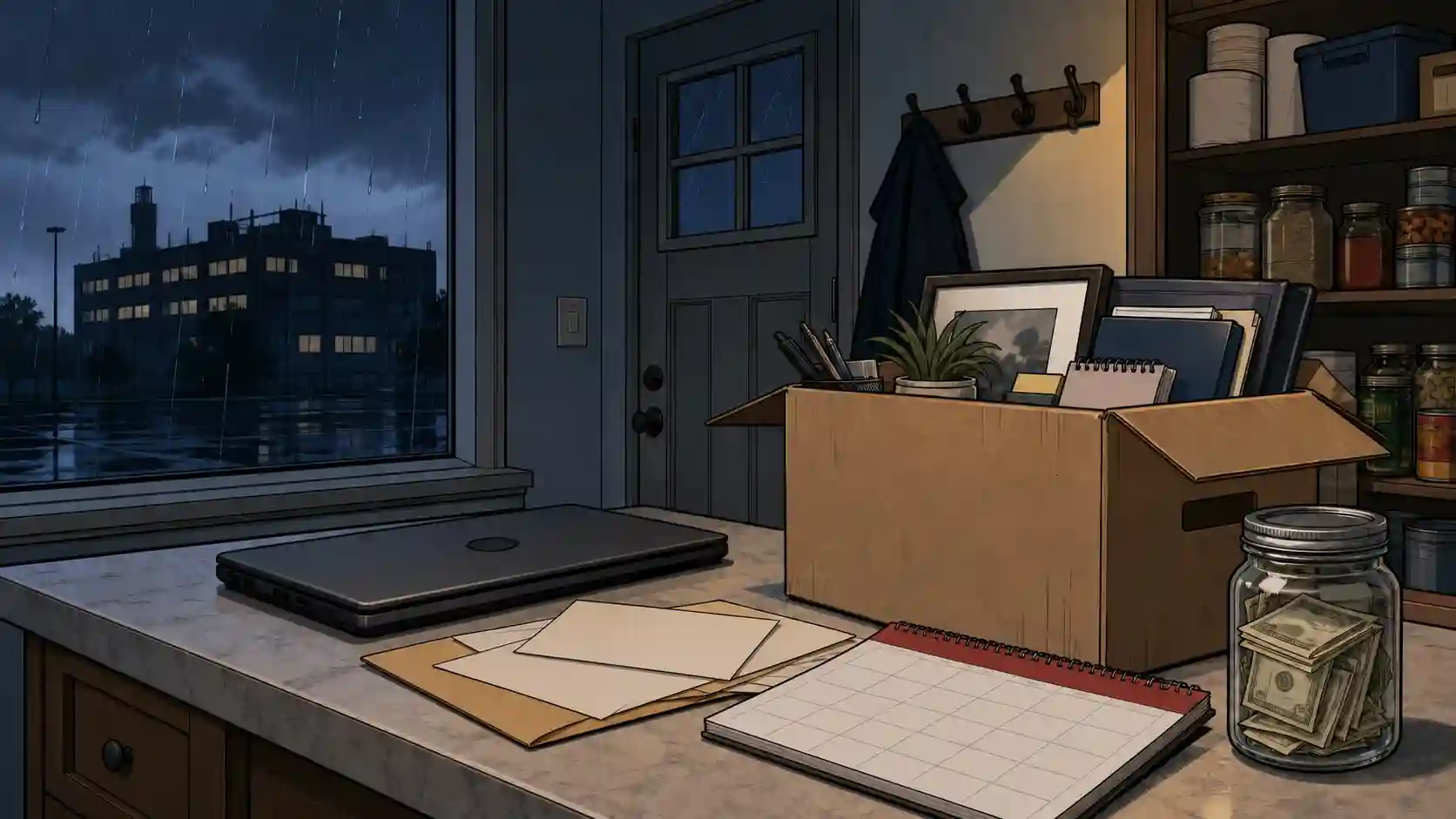
Most emergencies aren't dramatic. A sudden income gap is, statistically, the crisis most likely to hit your household.
 Editorial
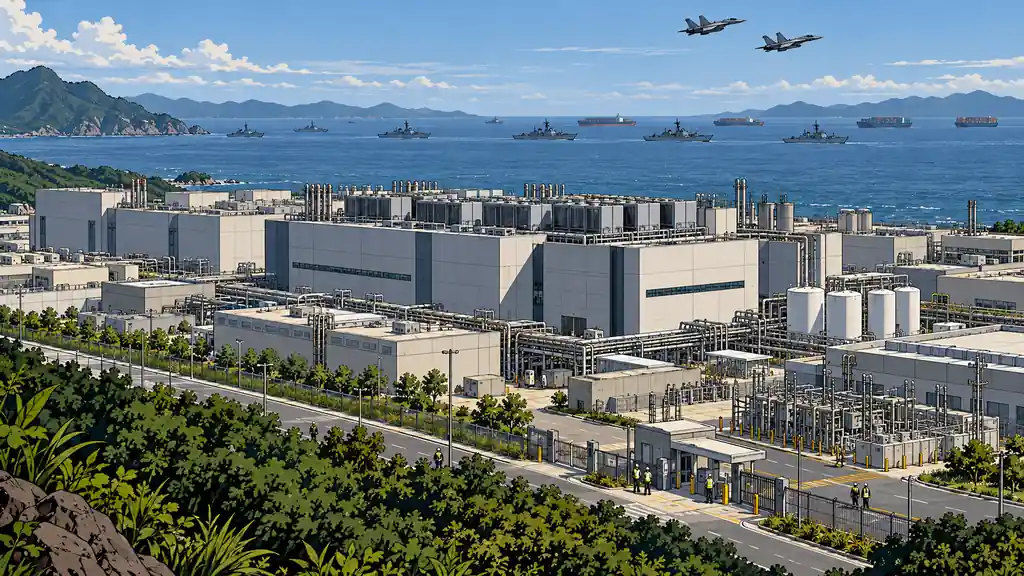
Many have speculated that Taiwan will be the cause of war between the US and China. The island itself isn't the prize — what sits on it is — and that changes everything about how this plays out.
 Primer
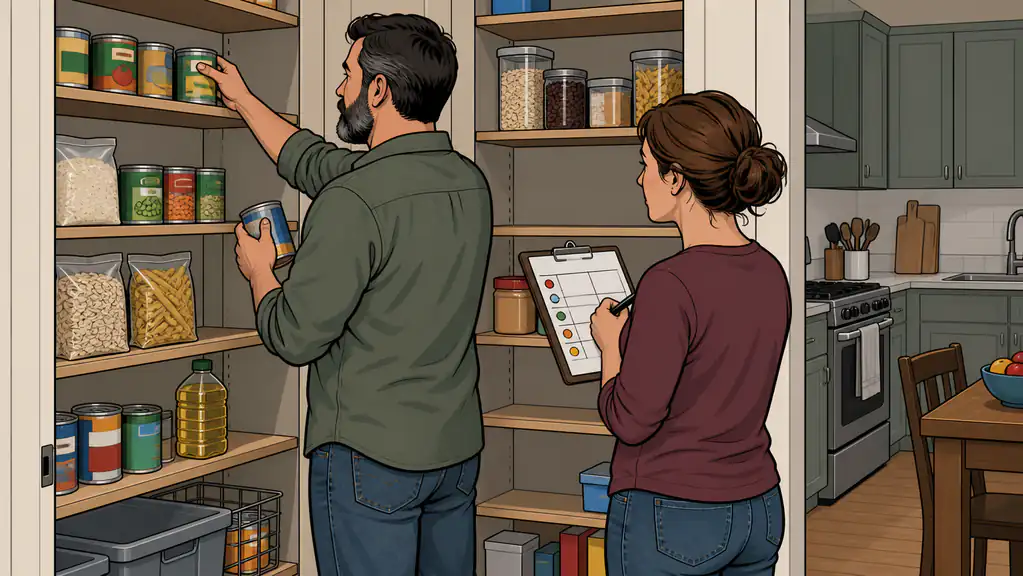
The grocery store is a flow, not a reserve. Build depth from the food you already eat, and count it the way you'd count any reserve — in days you can feed the household.
 Primer
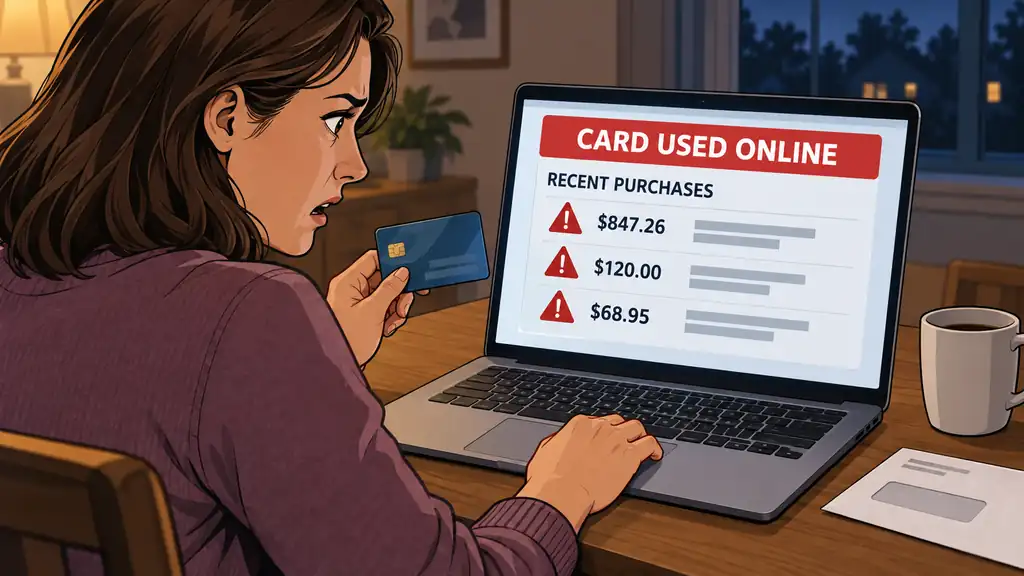
You can't keep a 16-digit number secret when you hand it to every store you shop at. So stop guarding the number and make a leaked one useless. Here's how the leaks happen and what actually works.
 Primer
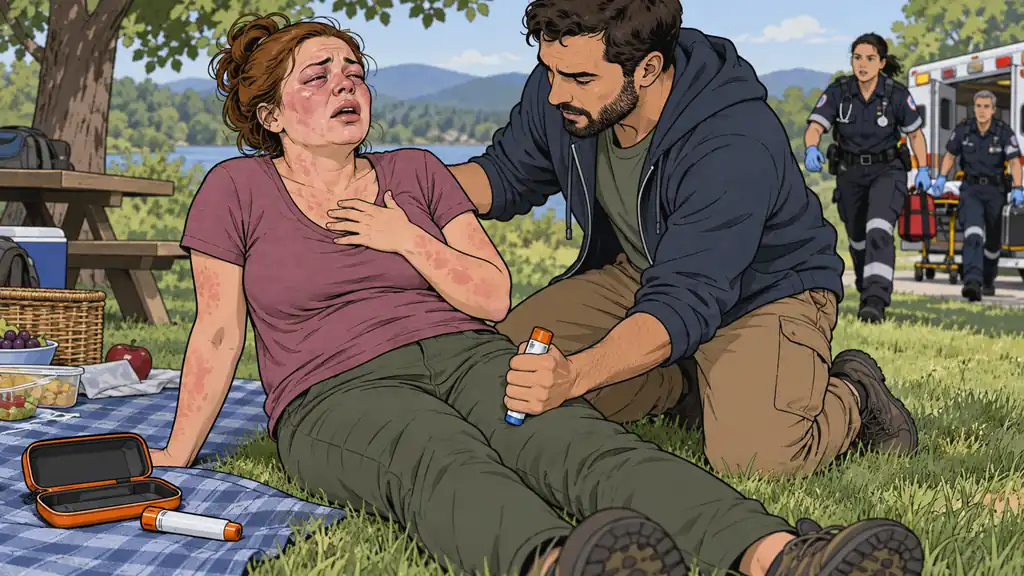
One auto-injector is a single point of failure against a threat measured in minutes. Two doses, in the right places, with a trained household, is the actual plan.
 Primer
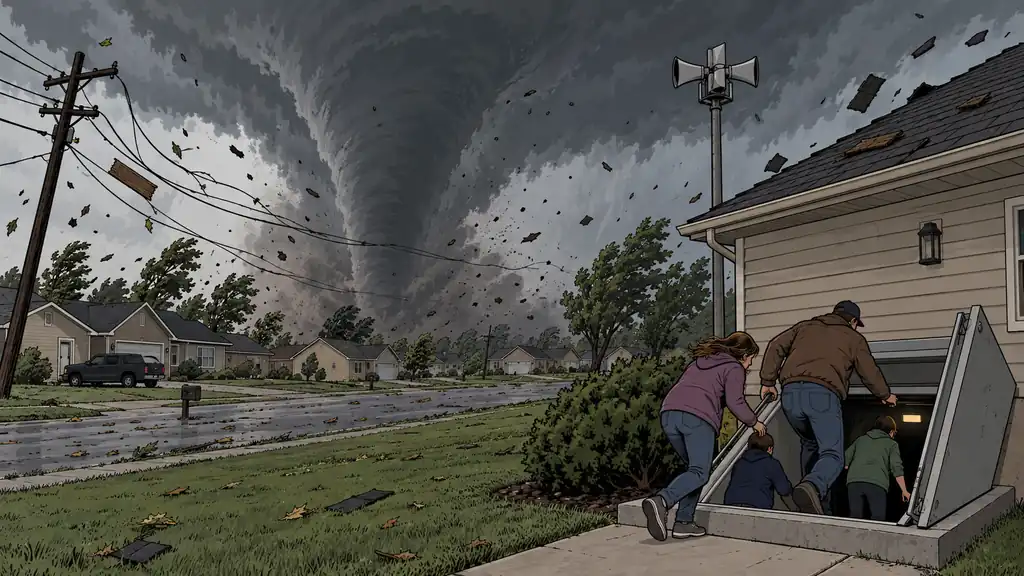
Tornado survival is decided by three things fixed on a calm day. The warning window is far too short to improvise a good decision.
 Primer
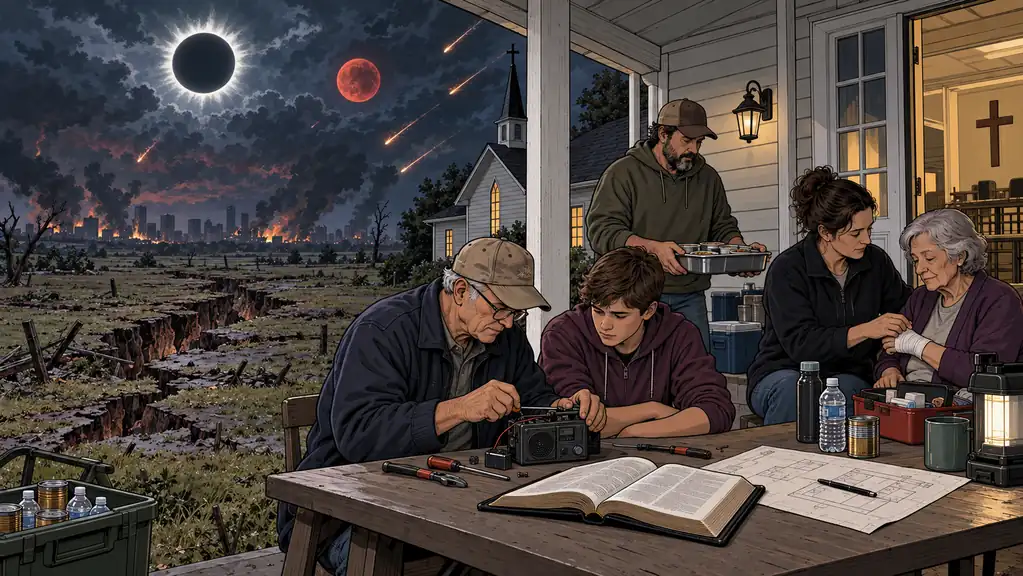
A faith-framed end times sits near the bottom of the odds and beyond any supply list. That's not a hole in your prep; it's the thing that points you at what preparation was always for.
 Editorial
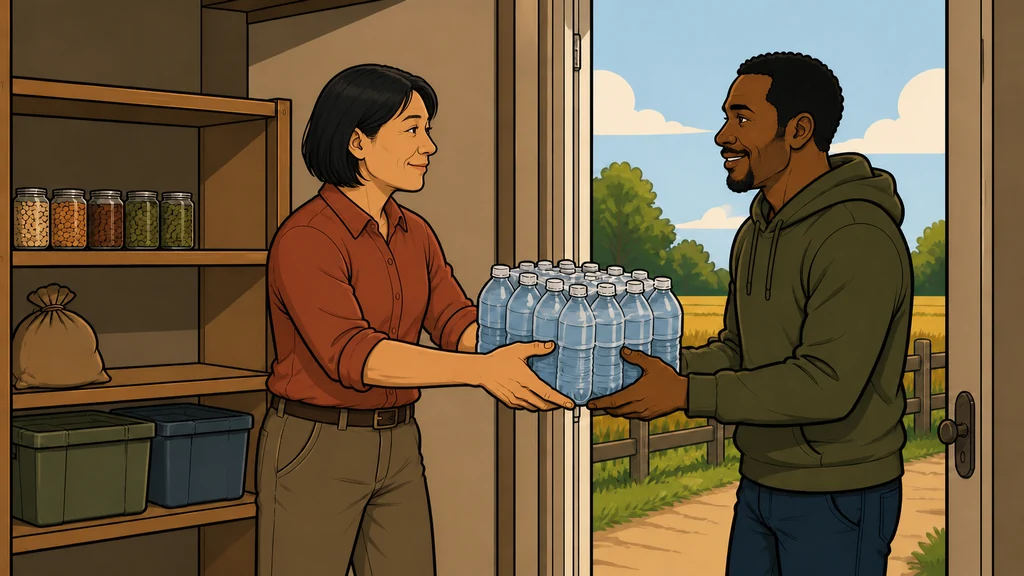
The hoarder grabs everything for himself and has no plan. The steward manages what he's been trusted with — and keeps enough margin to be the person a neighbor can come to.
 Primer
A blocked chokepoint reroutes the world's ships for months and pushes prices up slowly. It's the rare threat that shows up on a schedule you can see — so a deeper pantry answers it in full.
 Primer
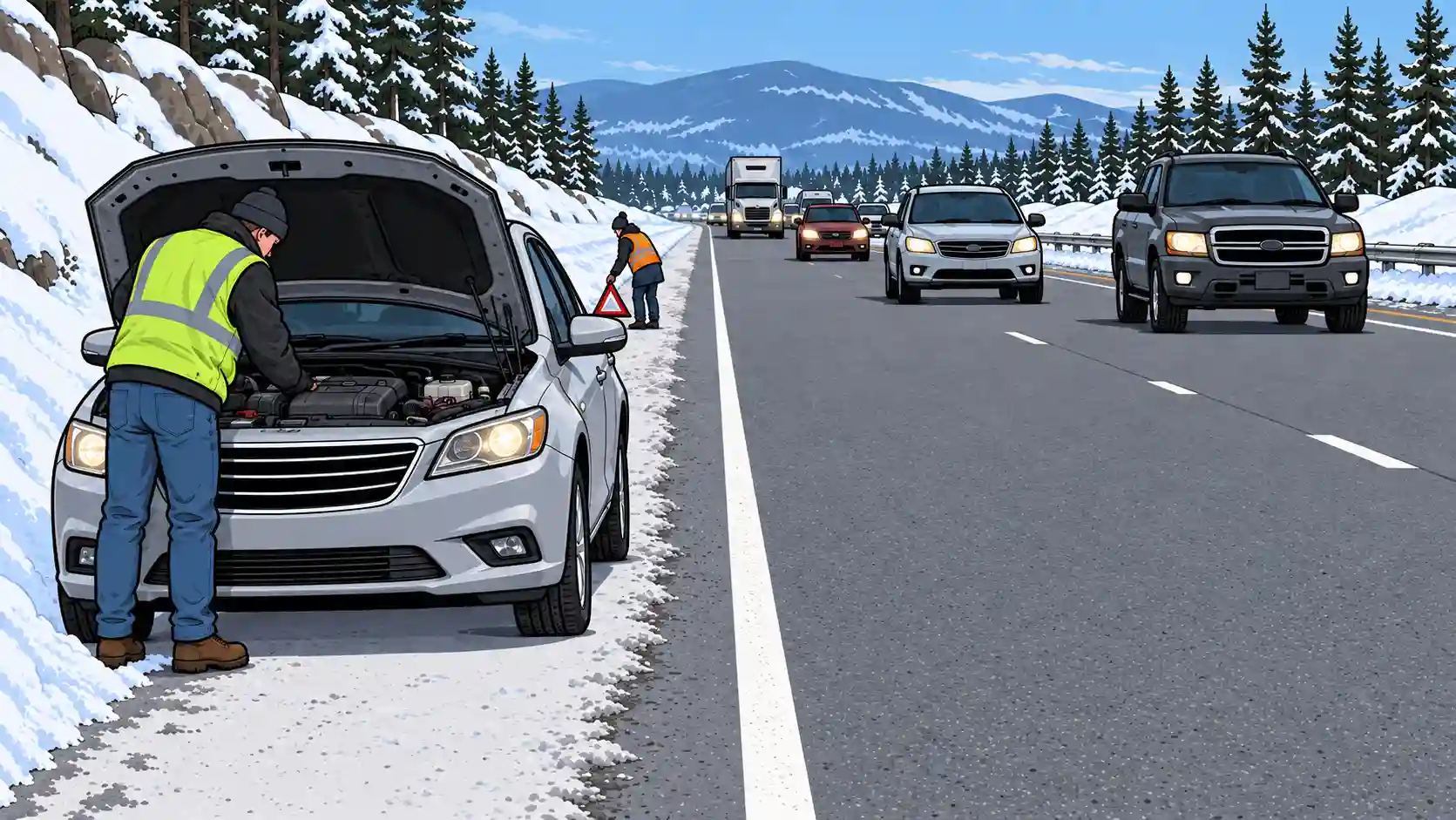
Over a driving life it's a near-certainty, not a rare tail risk. A real trunk kit and a get-home plan decide whether it costs you an afternoon or a night in the cold.
 Reality-Check
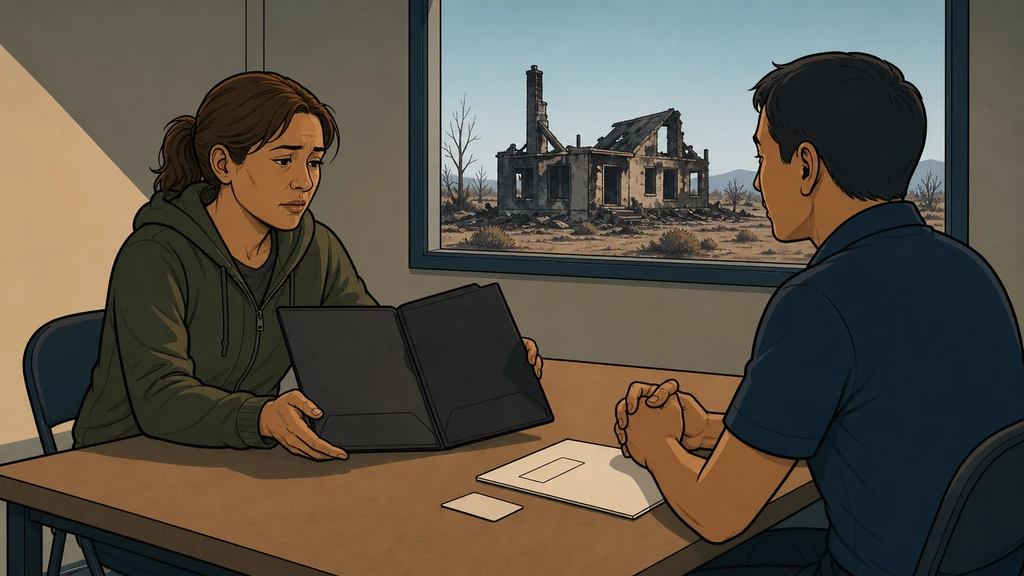
Nearly every step of disaster recovery — aid, insurance, a replacement license — makes you prove who you are. The disaster is often what destroyed the proof.
 Primer
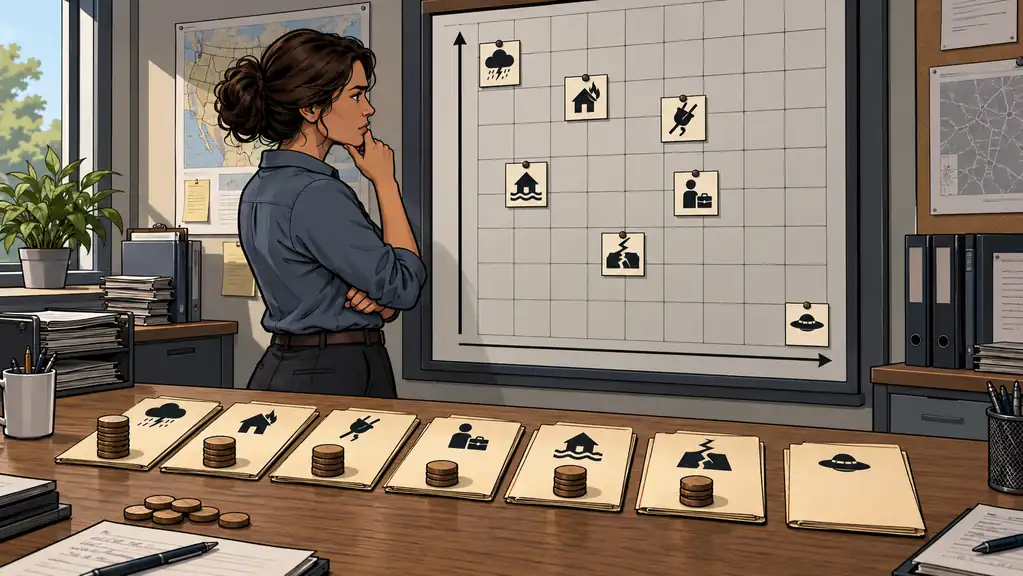
It's here for completeness, not because it deserves a dollar of your budget — and that honesty is the whole point.
 Editorial
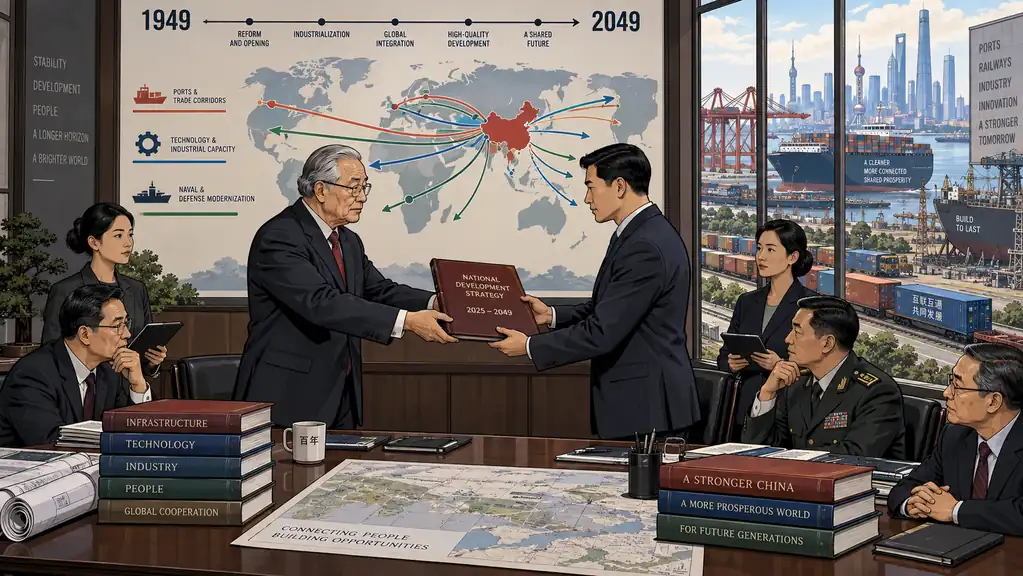
China is known for their patience and this is exemplified by this century-long plan to become the sole global superpower by 2049.
 Deep Dive
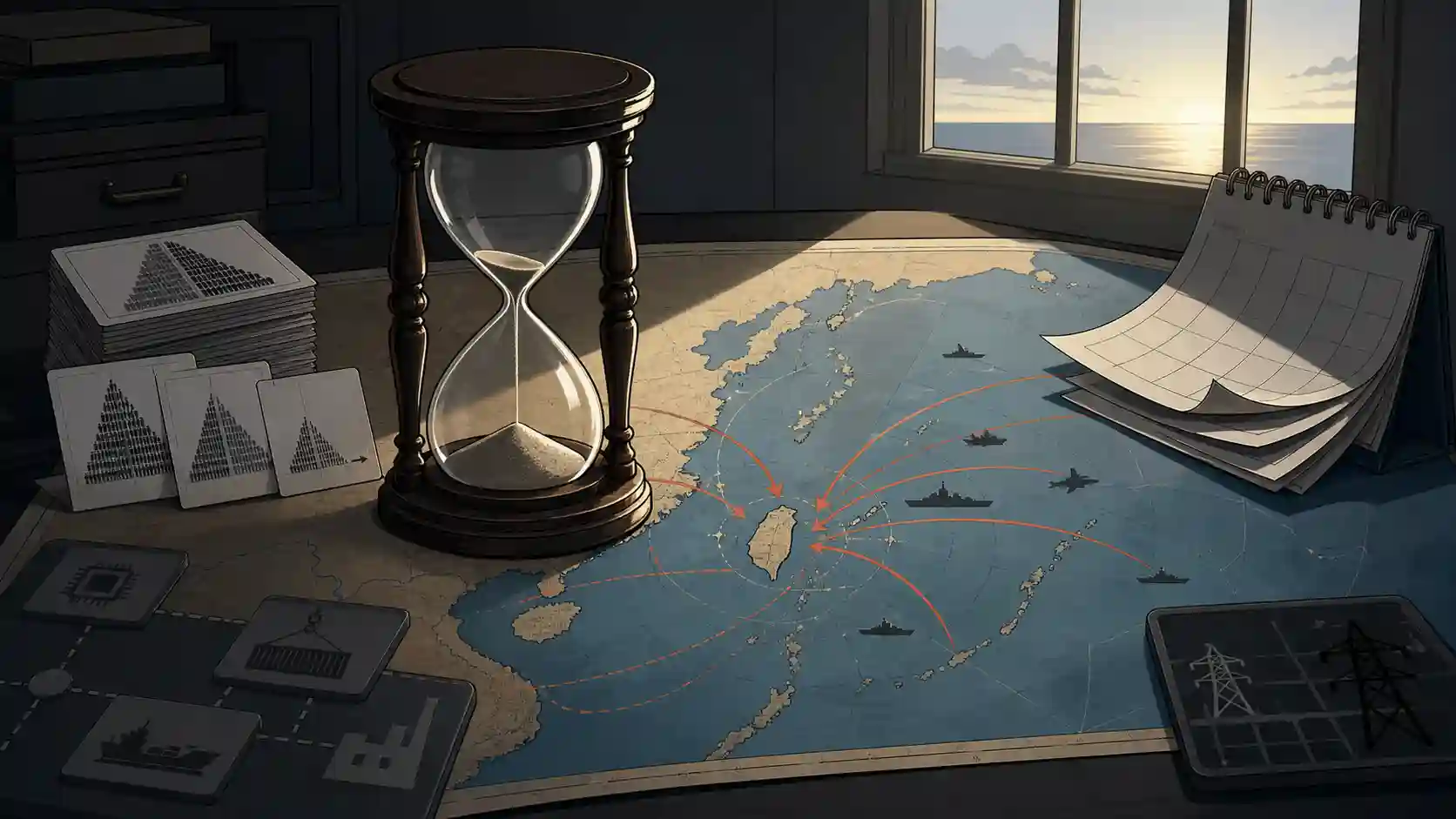
The demographic math says China gets weaker every year from here. A rival with a closing window is more dangerous than one with an open one — and that's what makes the timing question worth your attention.
 Deep Dive
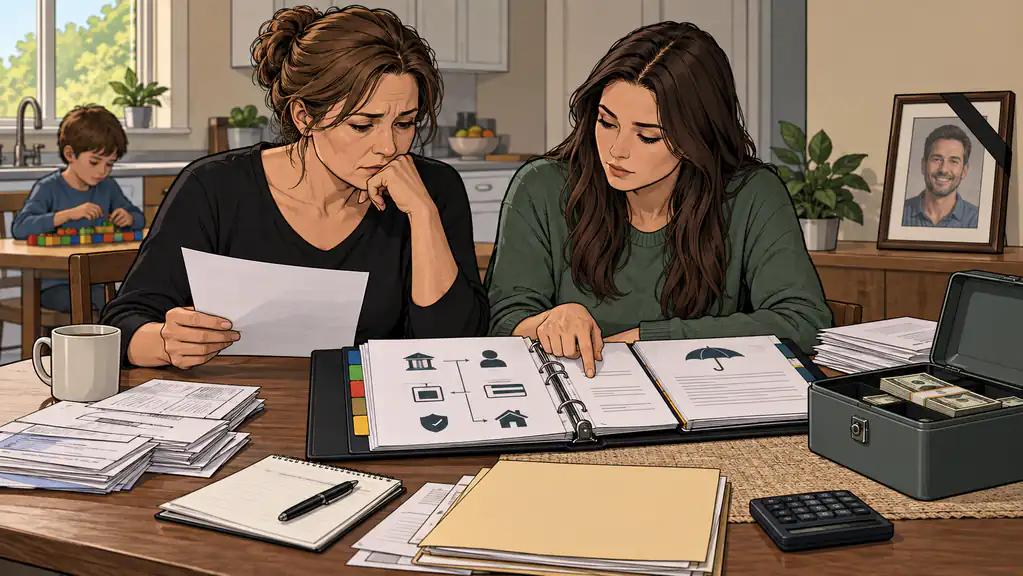
The bills won't pause for grief. Term life sized to the real gap, beneficiaries kept current, a second person who can run the finances, and cash they can touch this week — that's the whole prep.
 Editorial
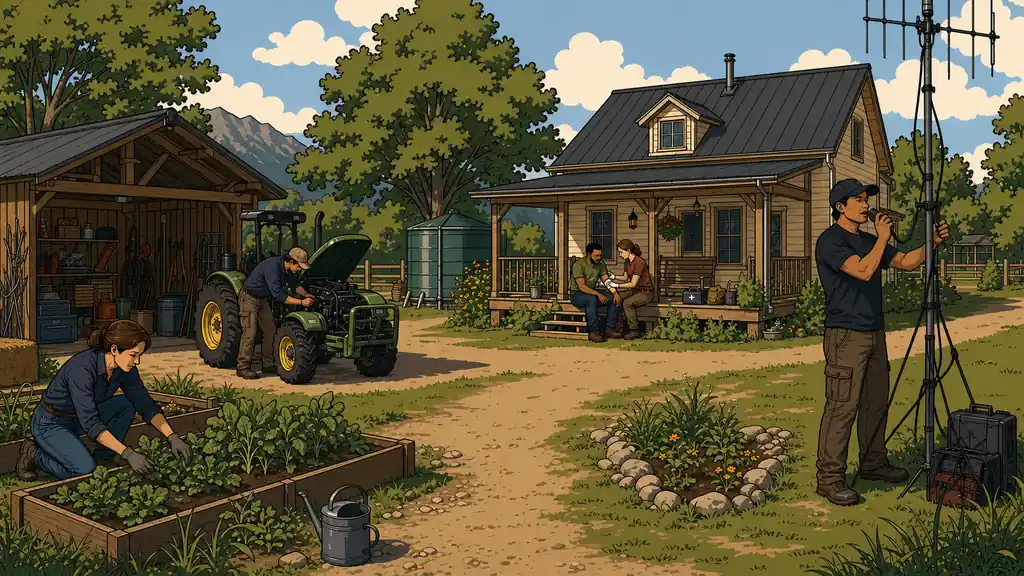
The lone prepper's real bottleneck isn't gear. It's that one person can't be the medic, the mechanic, the farmer, and the security element at the same time.
 Deep Dive
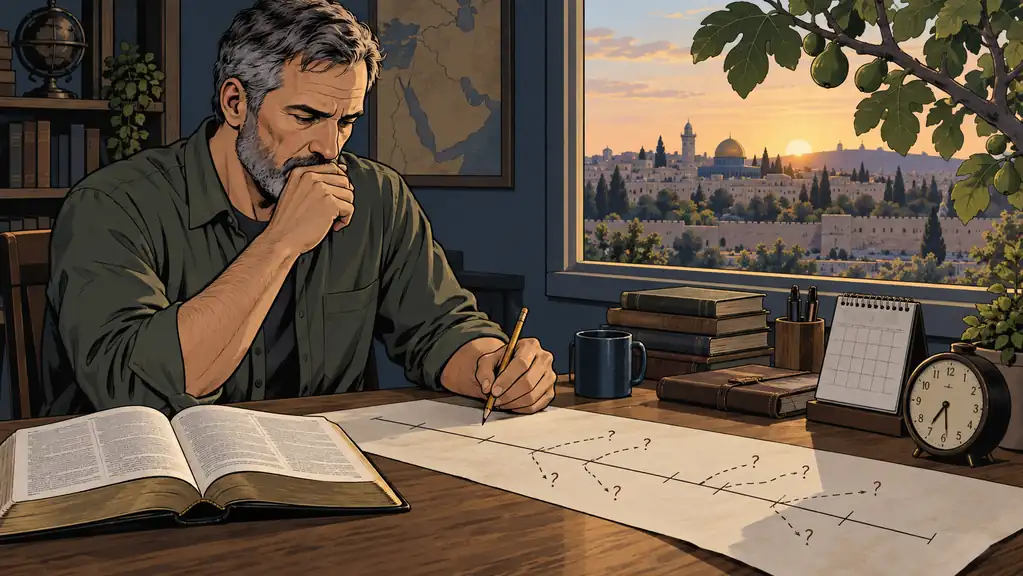
The timing of the end times is the most popular aspect and the hardest to nail down. The bible gives many clues as well as a warning.
 Deep Dive
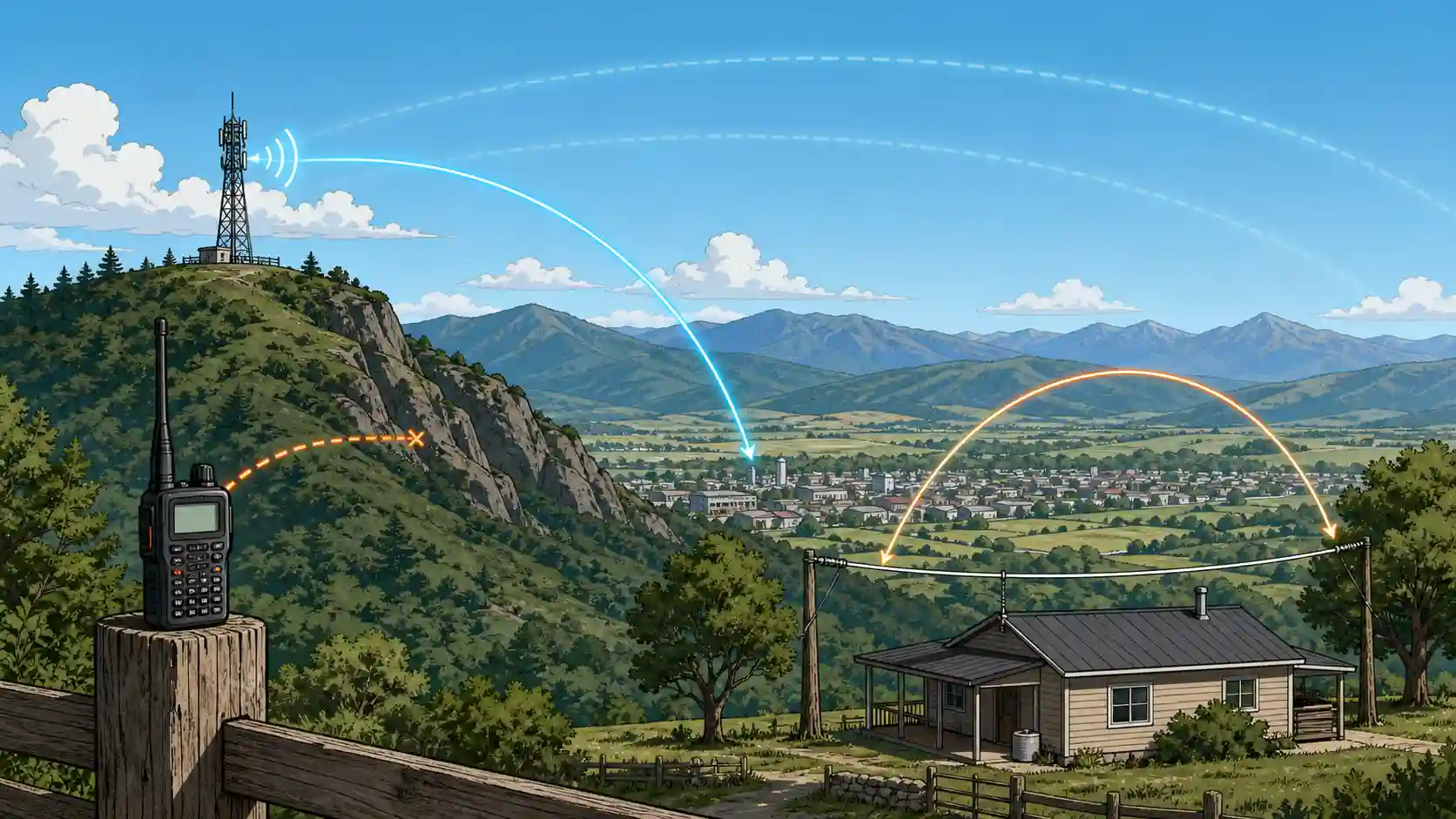
Two identical radios can reach two miles or two thousand. The variable isn't the radio — it's the band, the time of day, the terrain, and how you hang the antenna. Here's how to actually predict it.
 Primer
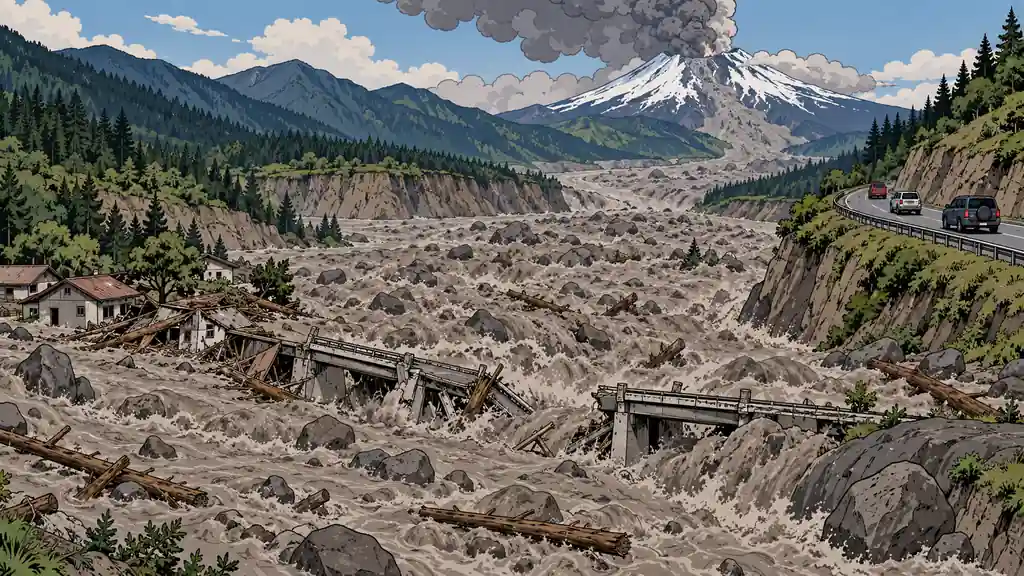
Eruptions aren't about lava. The killers are mudflows, pyroclastic flows, and abrasive ash — and which one is coming for you is set by your exact address.
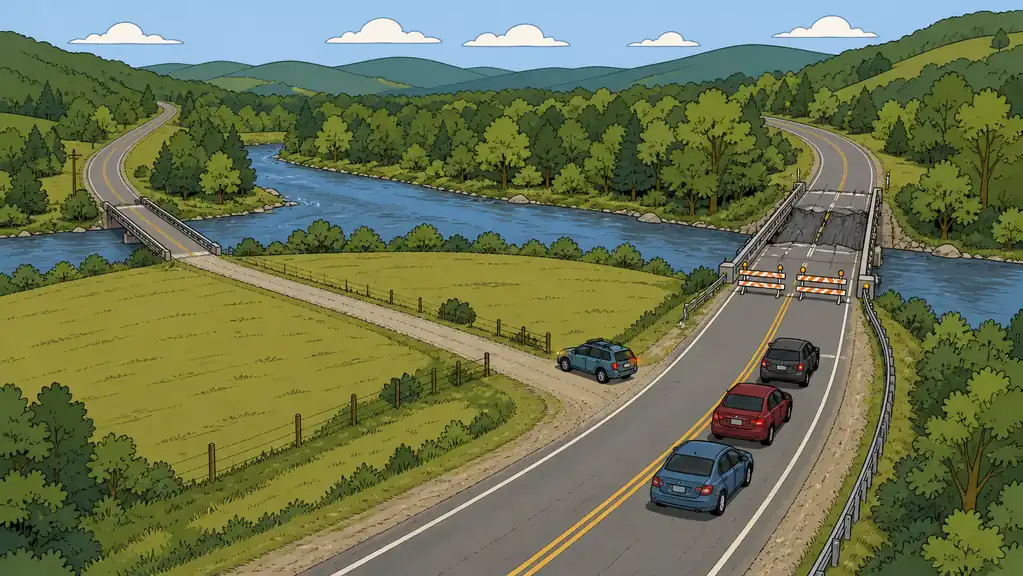 Deep Dive
A route is only as good as its worst pinch point. One blocked bridge can strand a plan that looked fine on the map, so the work is mapping the weak links before the crowd finds them for you.
 Primer
A look into what coronal mass ejections really are and how they matter to preparedness.
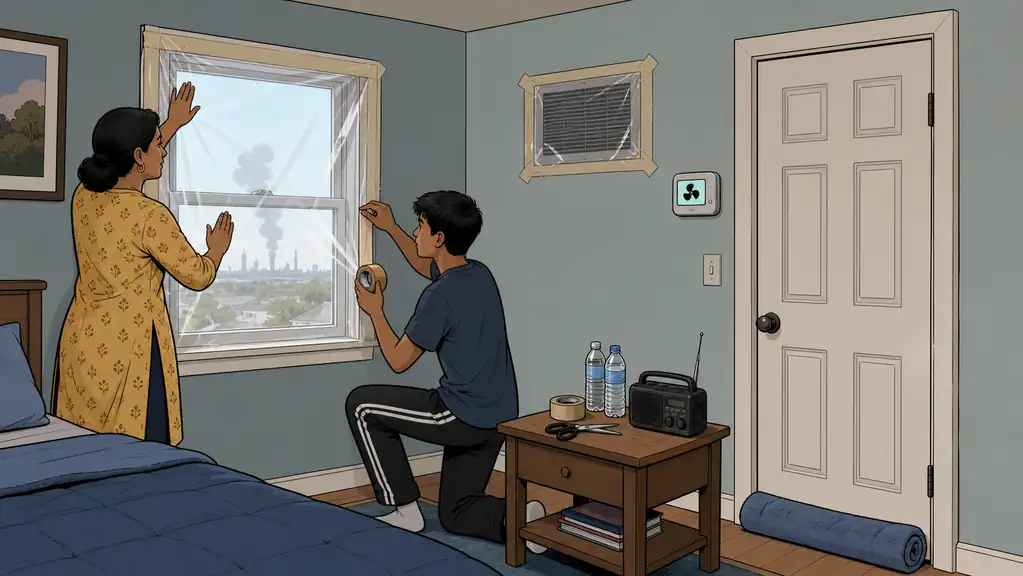 Reality-Check
For a chemical release or heavy smoke, the air outside is the threat, and running into it is the mistake. But so is doing nothing. The prep is a room you can seal, fast.
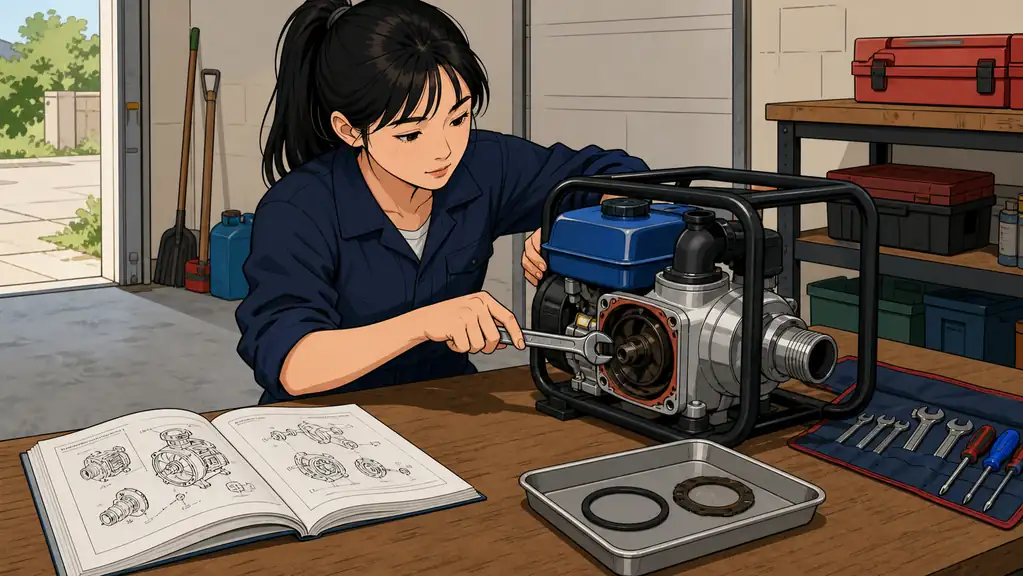 Primer
The tool, the skill, and the parts. Miss any one and your capability is zero — not reduced, zero. Here's how to stop stocking a third of a repair.
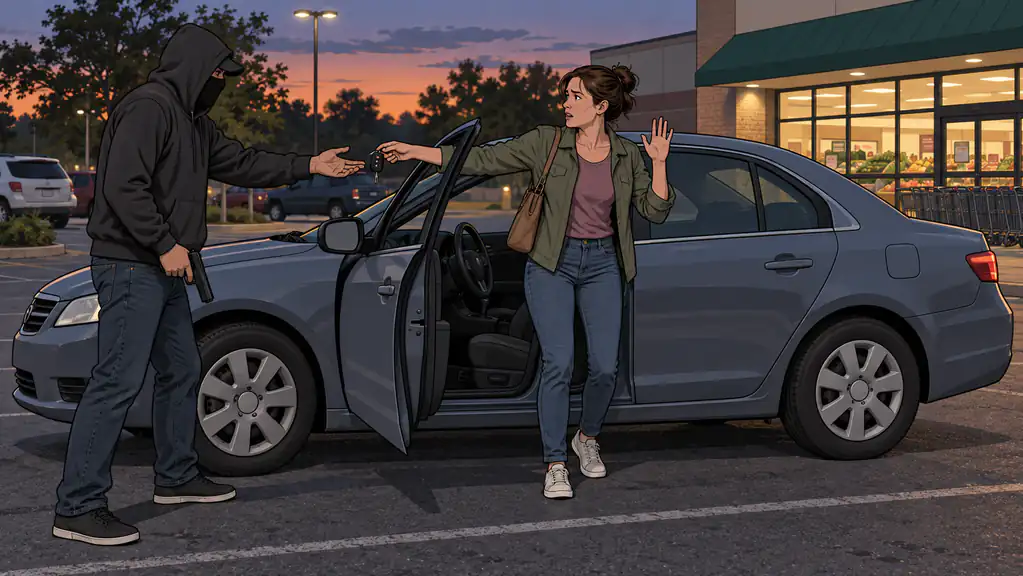 Deep Dive
A carjacking needs you stopped, distracted, and boxed in. Take those apart one at a time, pre-decide the hard trade-off, and you've handled almost the whole threat before it starts.
 Primer
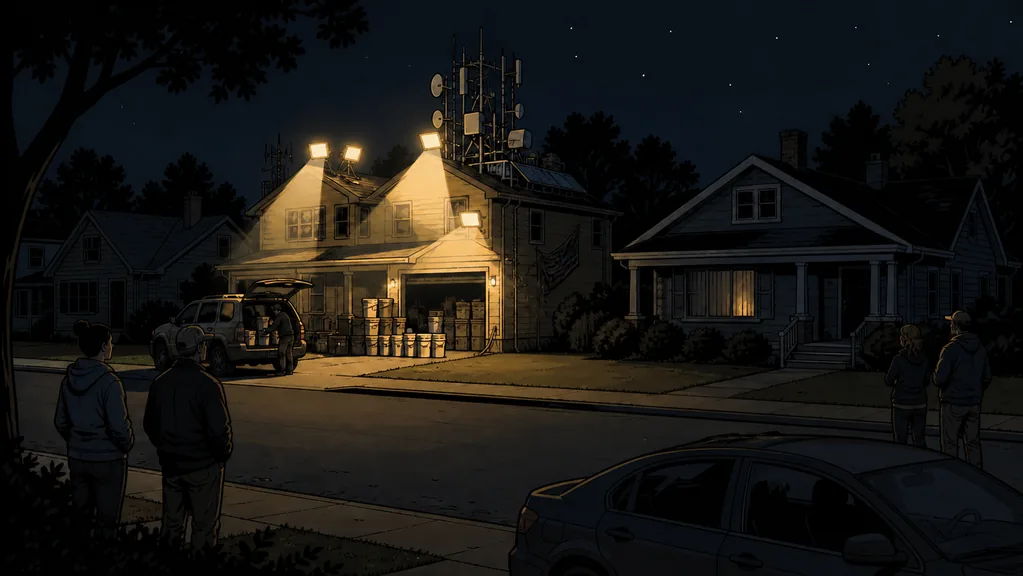
You can't buy your way out of an OPSEC problem. If everyone knows you're the house with food, guns, and fuel, you haven't built a fortress — you've built a destination.
 Deep Dive
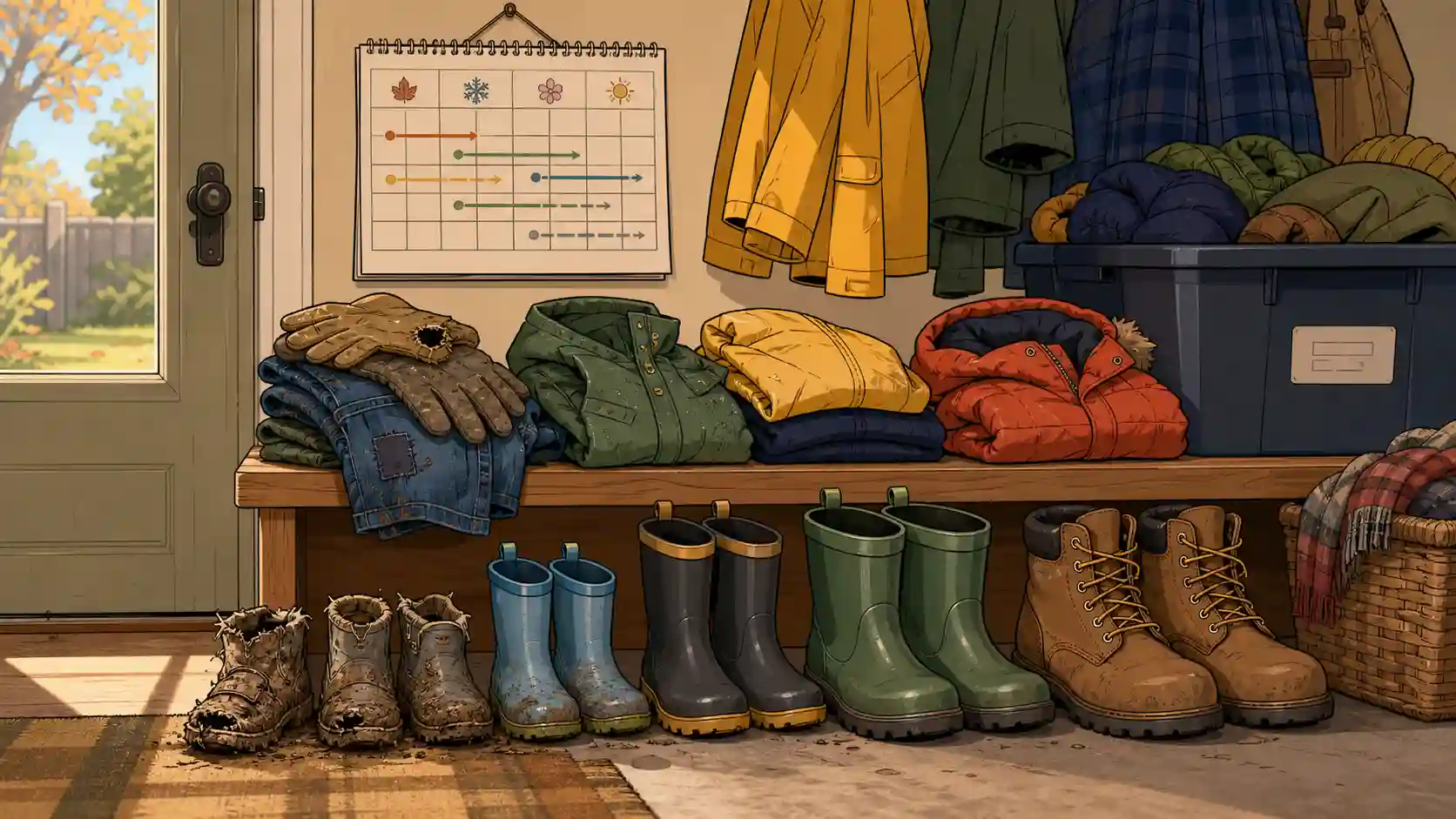
Every other category degrades slowly. This one has a clock on it set by how fast a nine-year-old's feet grow — and almost nobody plans for it.
 Deep Dive
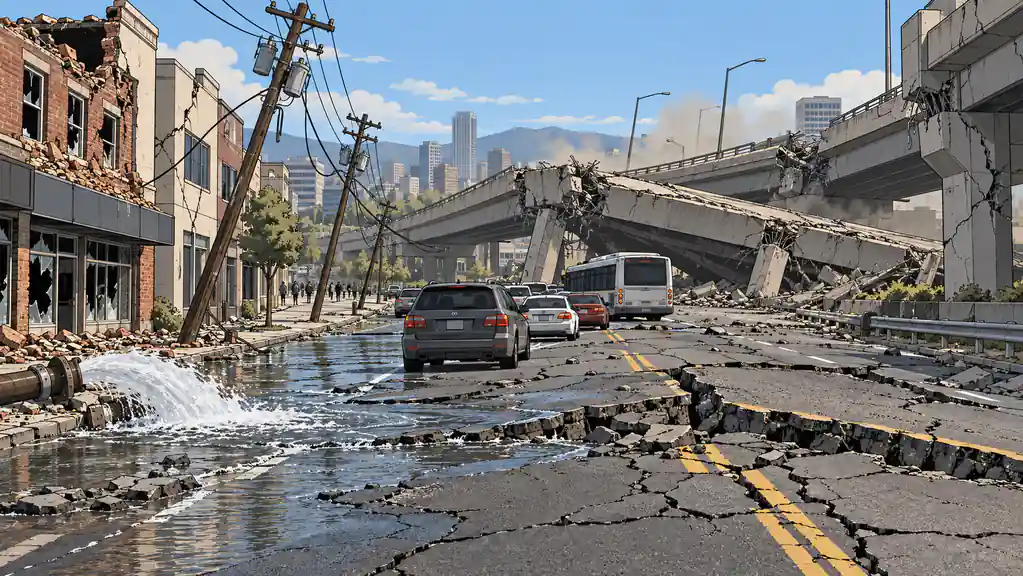
A regional quake breaks the roads, the hospitals, and the utility crews at the same second, for everyone at once. That's why the 72-hour kit is built on an assumption a quake destroys.
 Deep Dive
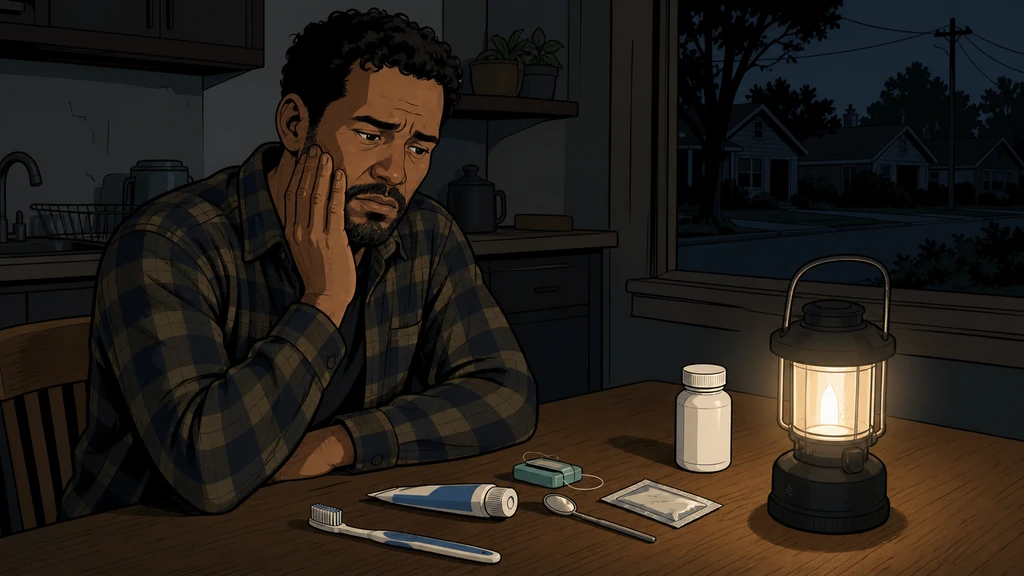
There's no dentist in the bug-out bag. In a long emergency an untreated tooth stops being a nuisance and becomes an infection with nowhere to go — and it's one of the most predictable problems on the list.
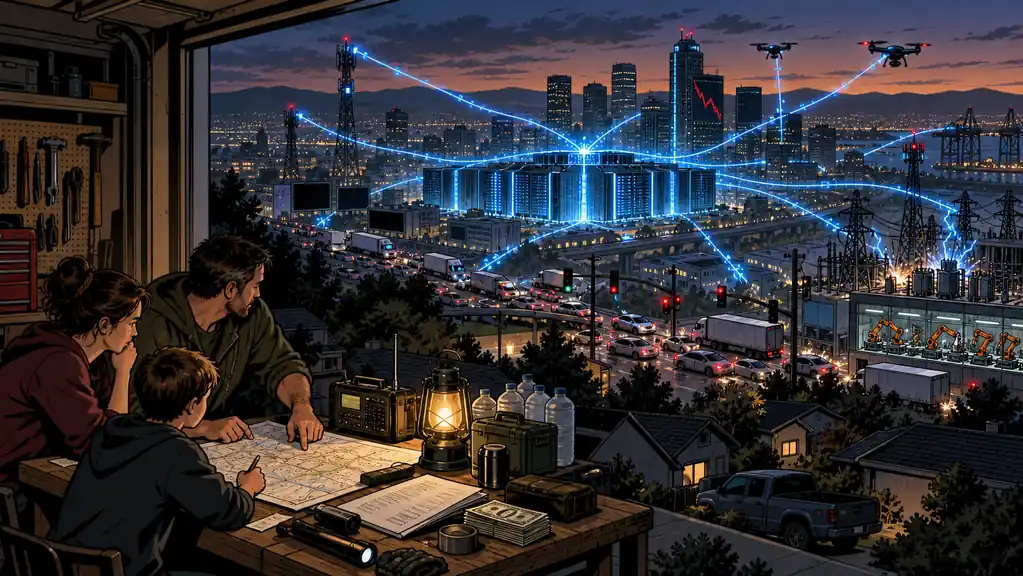 Deep Dive
AI catastrophe is real enough to list and too undefined to plan for directly. The honest hedge is broad resilience plus fixing the one thing your whole digital life hangs on.
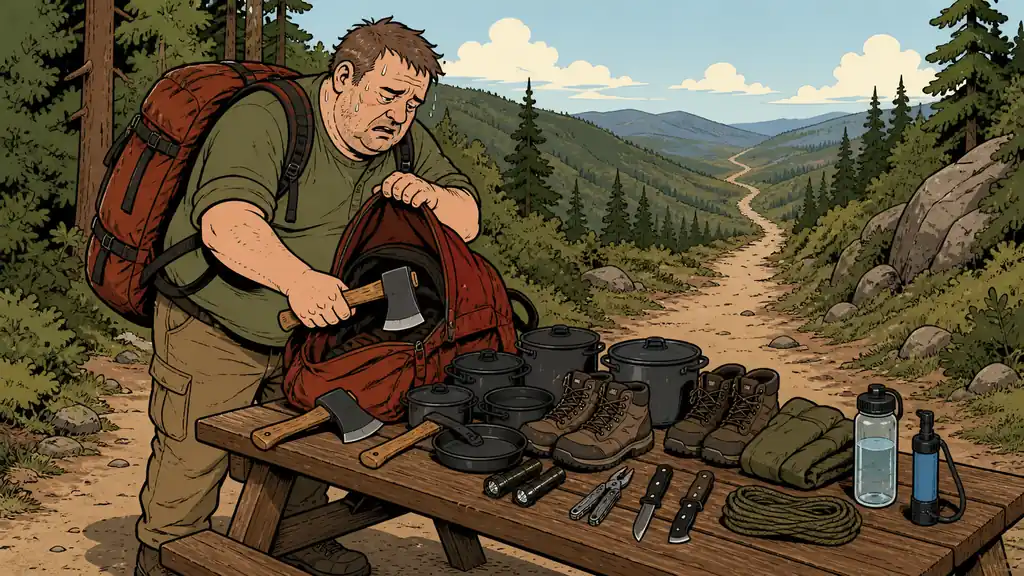 Reality-Check
The internet builds bug-out bags by adding gear. The trail builds them by removing it. Here's the weight math that decides whether your bag gets you home or wears you down.
 Primer
Deter, detect, and delay do the work long before force is on the table. Build the layers an intruder hits first, and the standoff you fear is the one you never have.
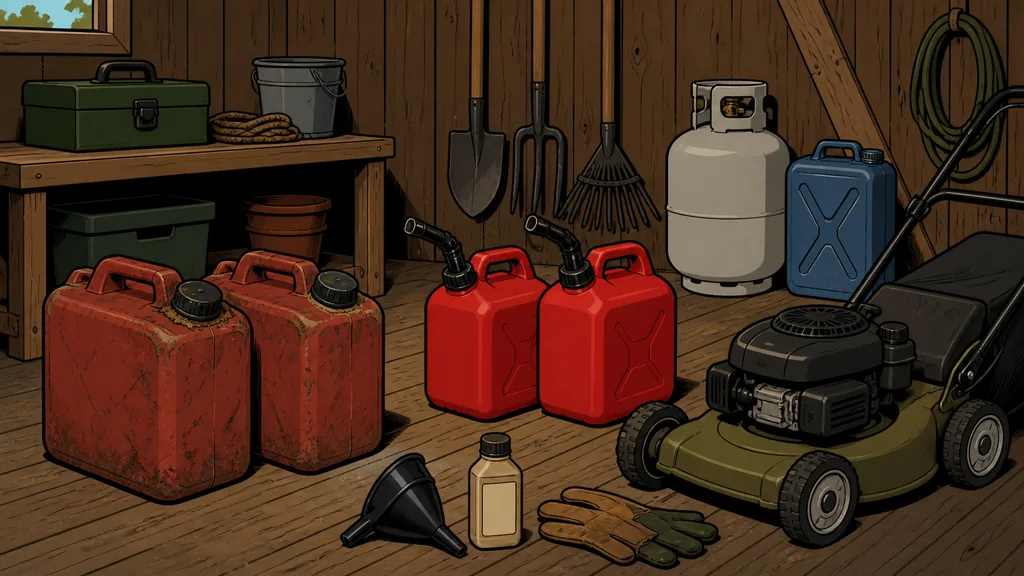 Reality-Check
Full cans in the garage feel like security. But every fuel is on a clock — and a generator fed stale gas is a lawn ornament when you need it most.
 Primer
Stop trying to keep your name and Social Security number secret; that fight is over. A credit freeze and a few free steps make the leaked data worthless to the person holding it.
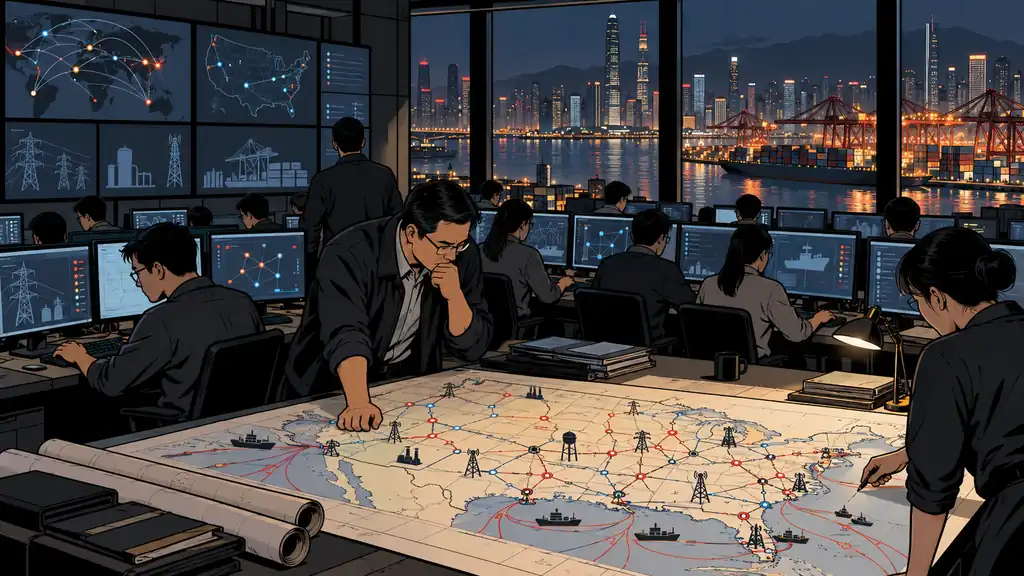 Editorial
China has adopted a doctrine of unrestricted warfare, which changes what war looks like. As a result, war could be ongoing and many wouldn't even realize it.
 Primer
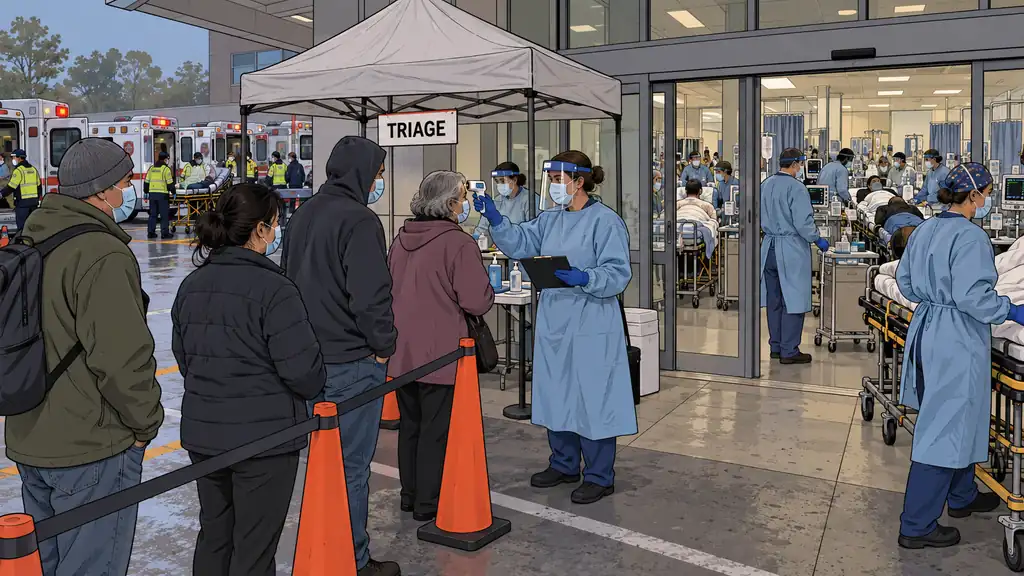
The comforting math says a once-a-century event buys you a century of quiet. It doesn't — and the number that actually matters, mortality rate, sat near the bottom of the scale last time. The next one may not.
 Primer
The Rule of 3s isn't survival trivia — it's the priority list that tells you which prep to buy first, because the things that kill you fastest are the ones almost nobody stores for.
 Primer
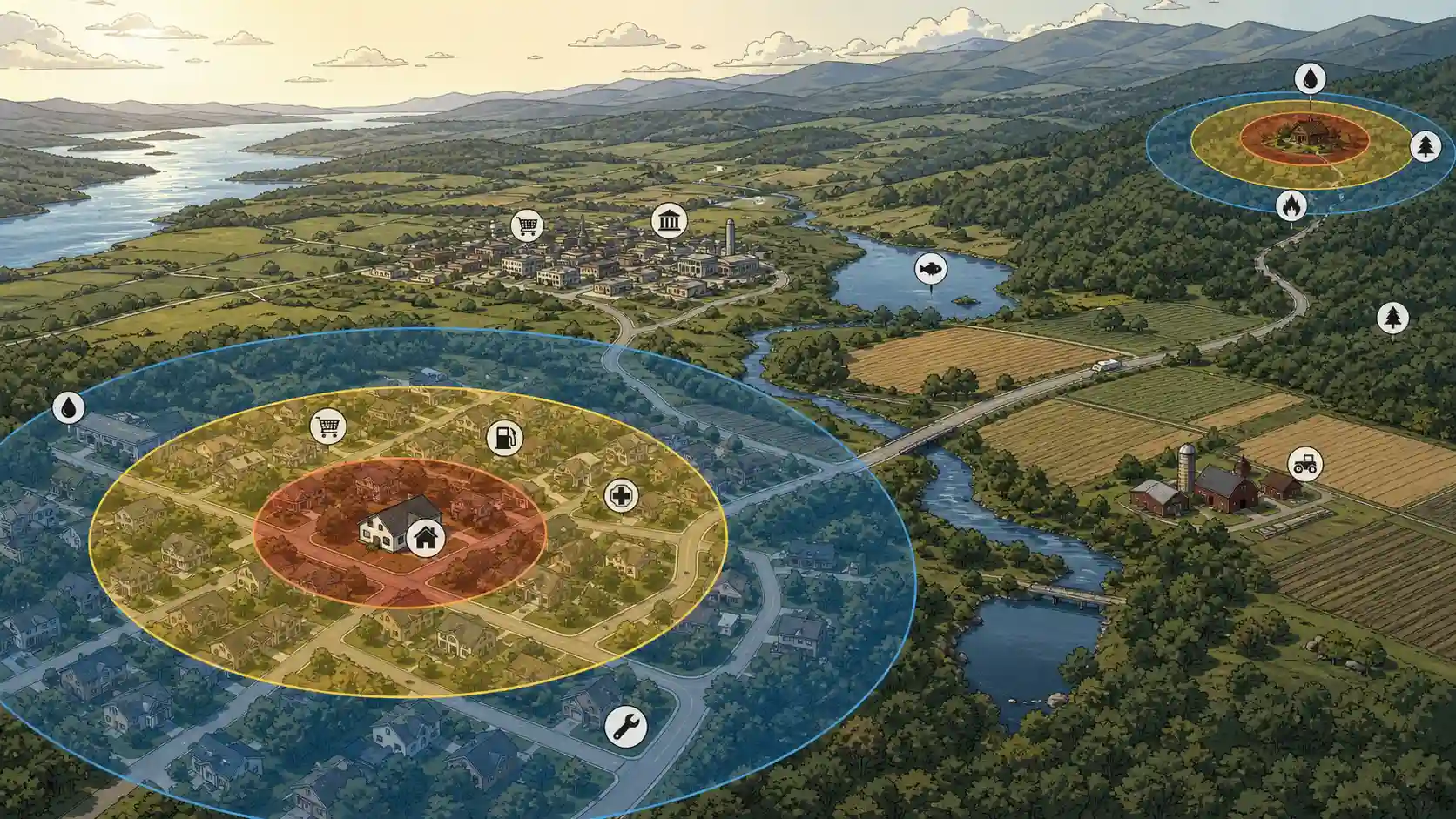
Mapping the zones around you — Area of Operation, Area of Interest, Area of Awareness. Borrowed from military area studies, they turn a generic prepper checklist into a threat list that's yours.
 Primer
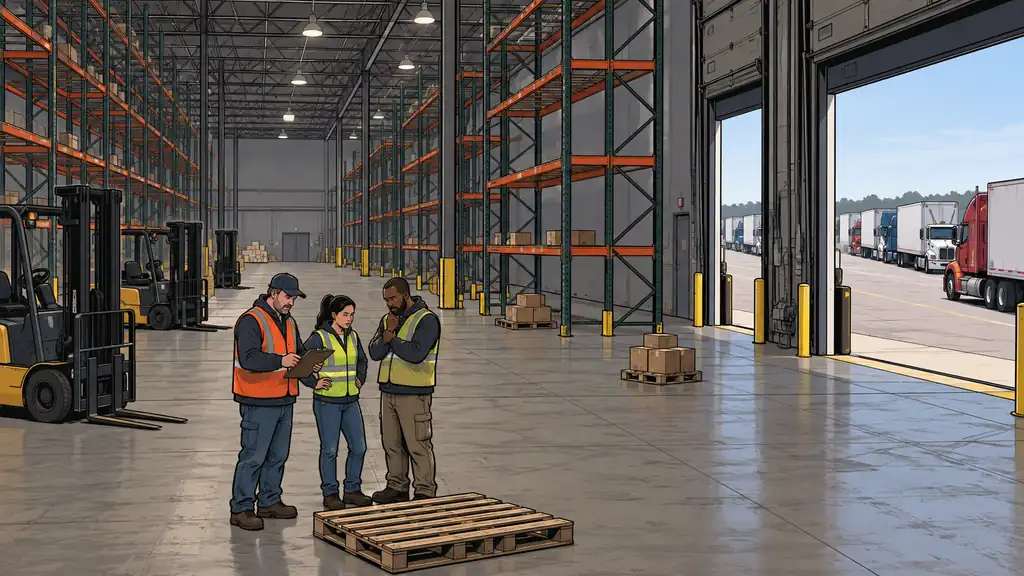
The shelves hold a few days, not a few weeks. When deliveries stall, the gaps reach the store in week three — so you hold the buffer the system deleted, in the things you can't substitute.
 Primer
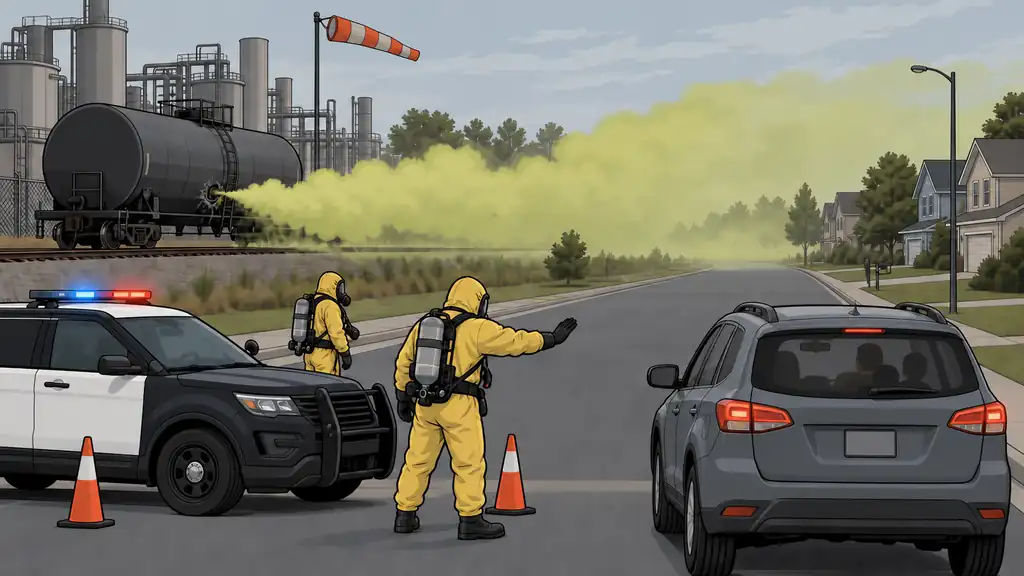
A chemical release is rare unless you live near the source. If you do, sealing a room and moving crosswind is the entire toolkit.
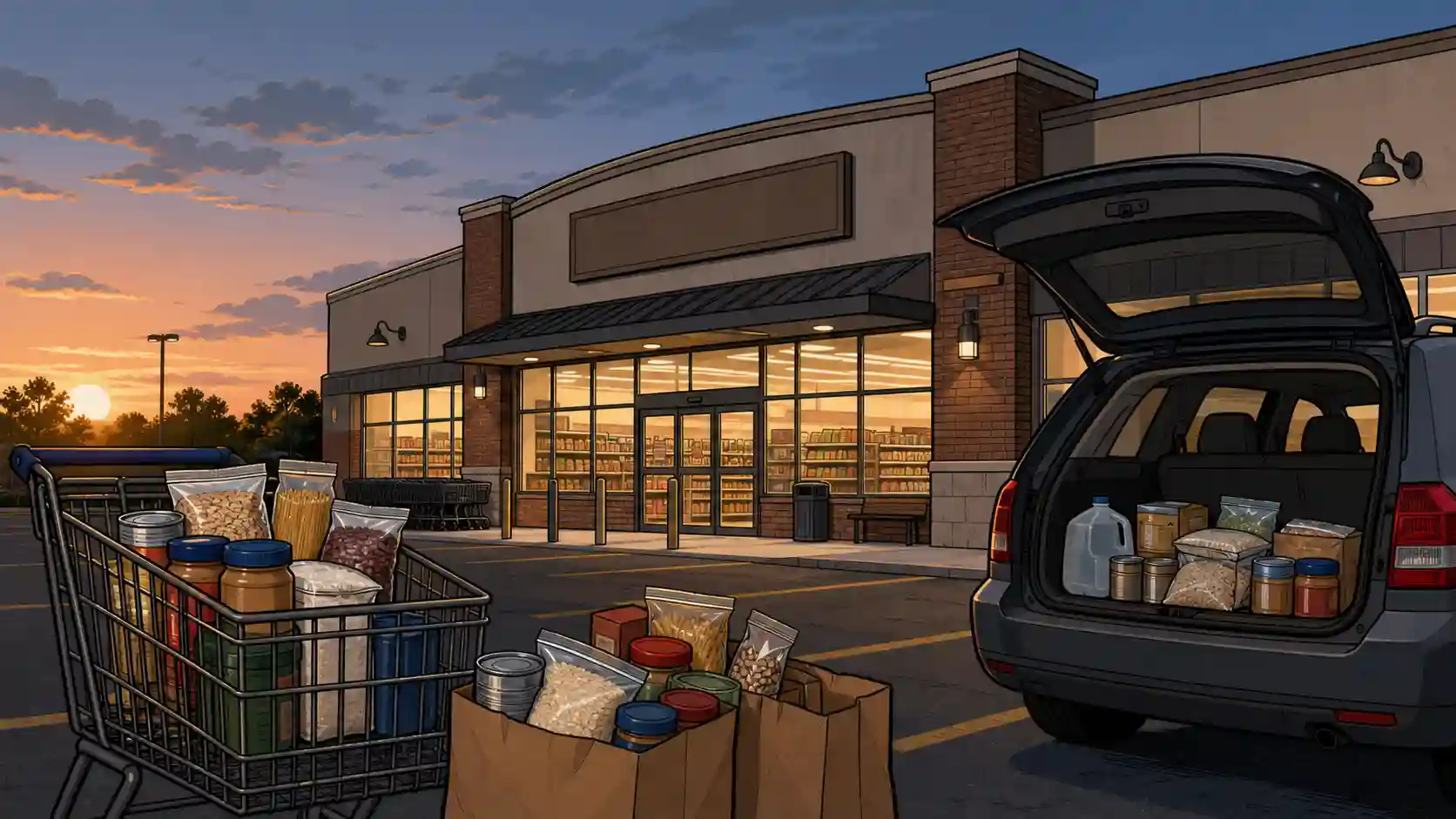 How-To
No specialty stores, no freeze-dried anything. A practical pantry build from normal food you already eat — with the rotation logic that keeps it from going to waste.
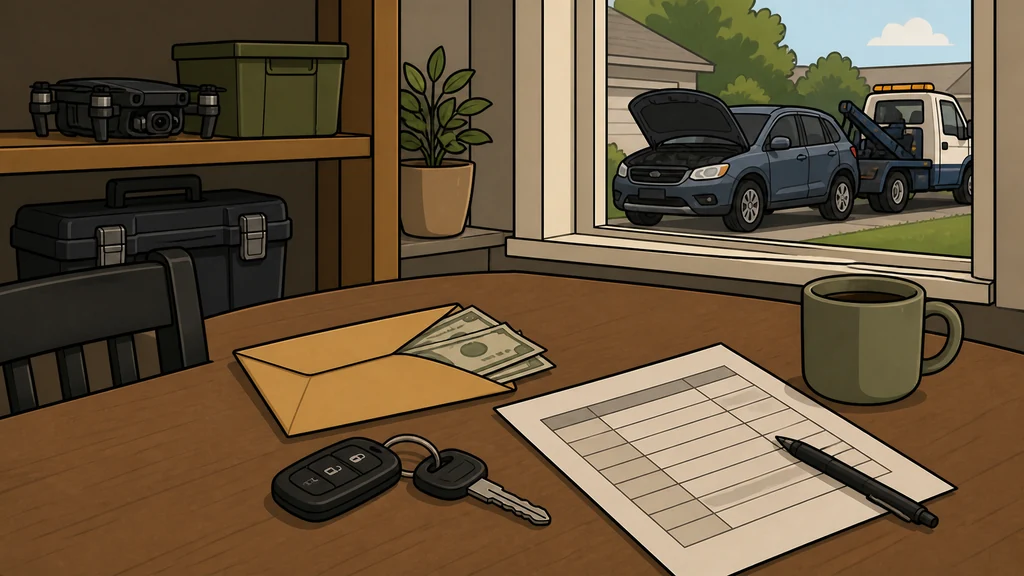 ★ FeaturedDeep Dive
A cash buffer is boring, invisible, and beats almost any gear you could buy with the same money. Here's how to size it, tier it, and why some of it has to be paper.
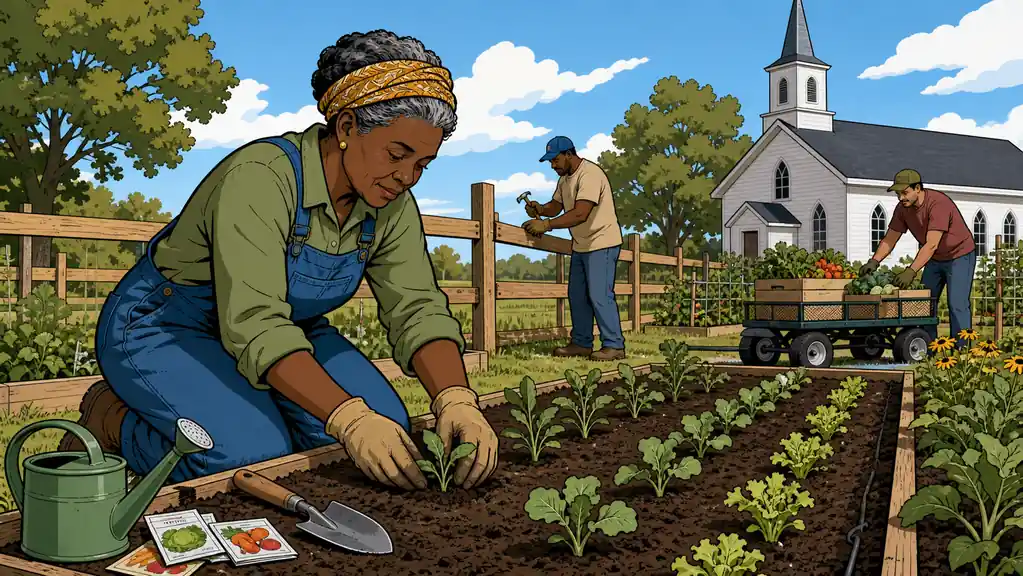 Reality-Check
Some Christians treat preparing as a lack of faith. That's not faith — it's presumption. God usually provides through the storehouse, not around it.
 Primer
Street robbery runs on speed, isolation, and surprise. Take away any one of the three and the whole thing stops being worth his while.
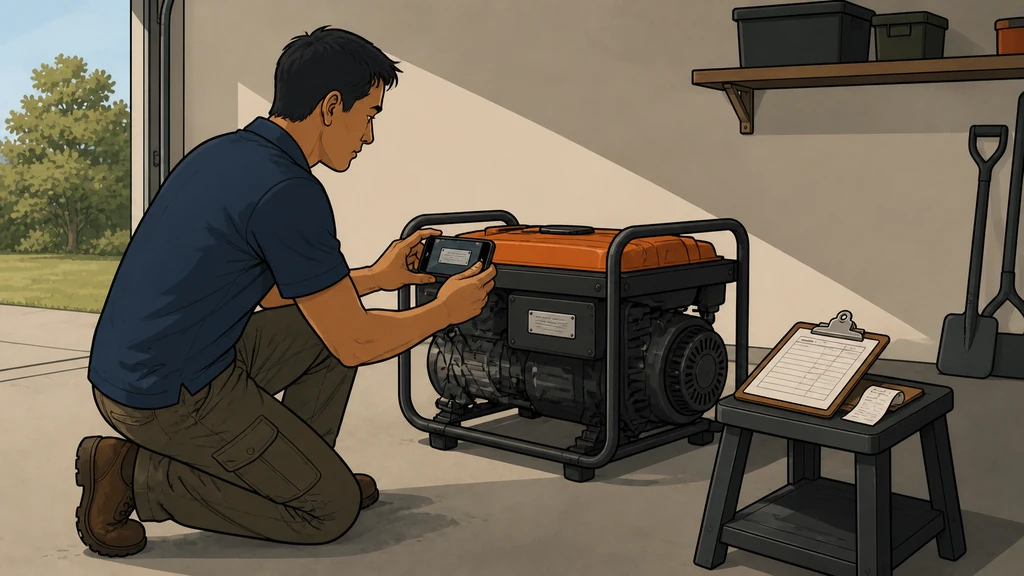 Reality-Check
After a total loss the burden of proof is on you — an itemized list from memory, of a houseful of things, that burned with the house. Build the proof before you need it.
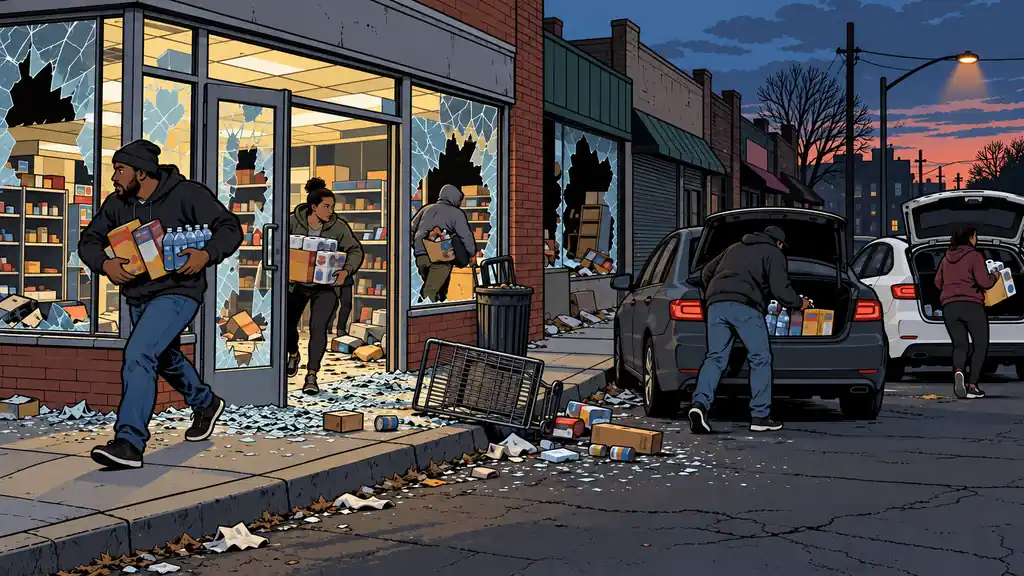 Primer
Crime climbs when times get hard, and it takes the easy option. Harden the layers, know your neighbors, and the thief walks past your door to the next one.
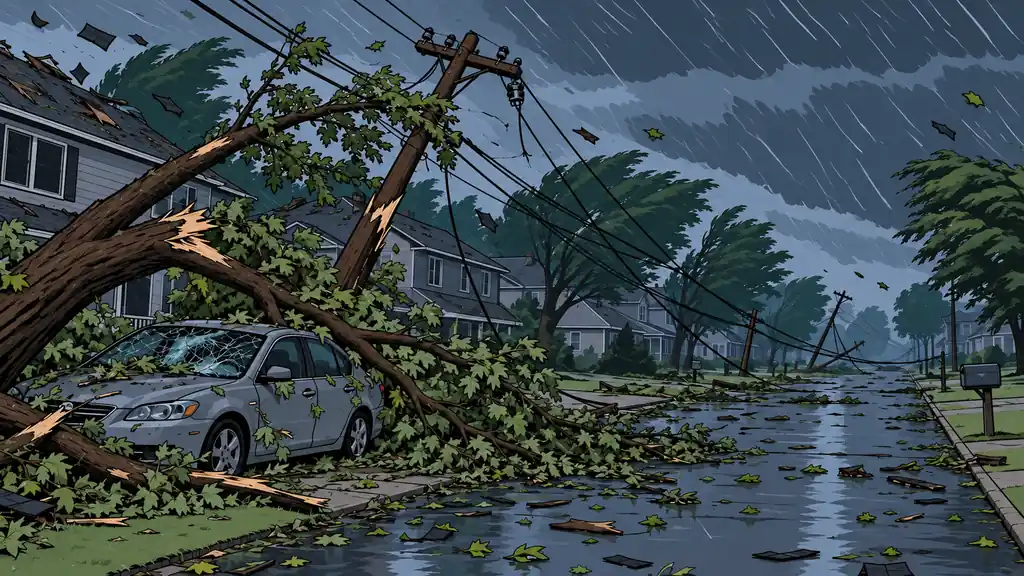 Primer
A derecho is the most likely serious wind event you'll face, and the multi-day outage behind it is the part that actually tests you.
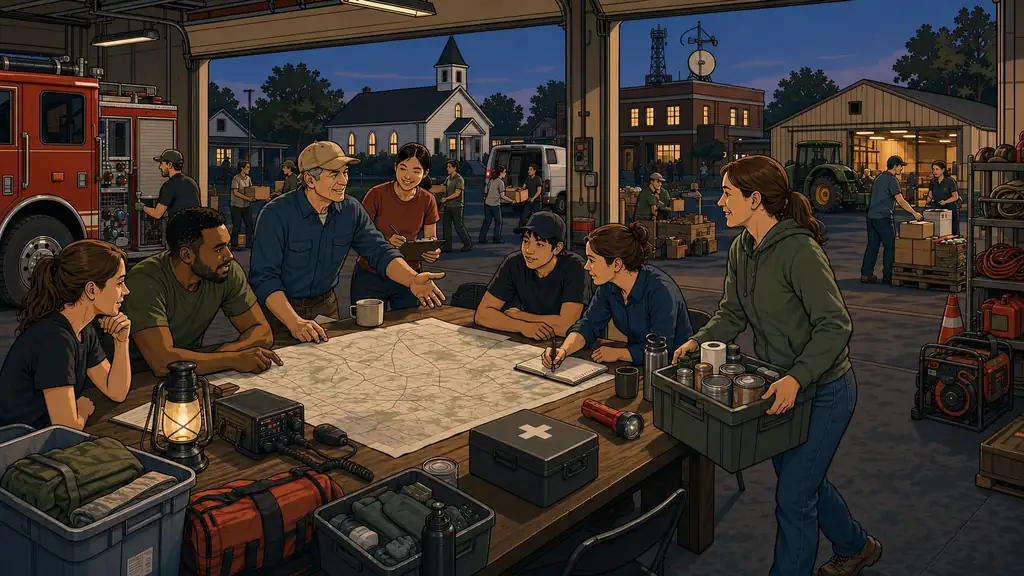 Reality-Check
Preppers talk about 'building a community' from scratch. Most of the structure is already standing in your town: churches, fire departments, clubs, and co-ops built for exactly this.
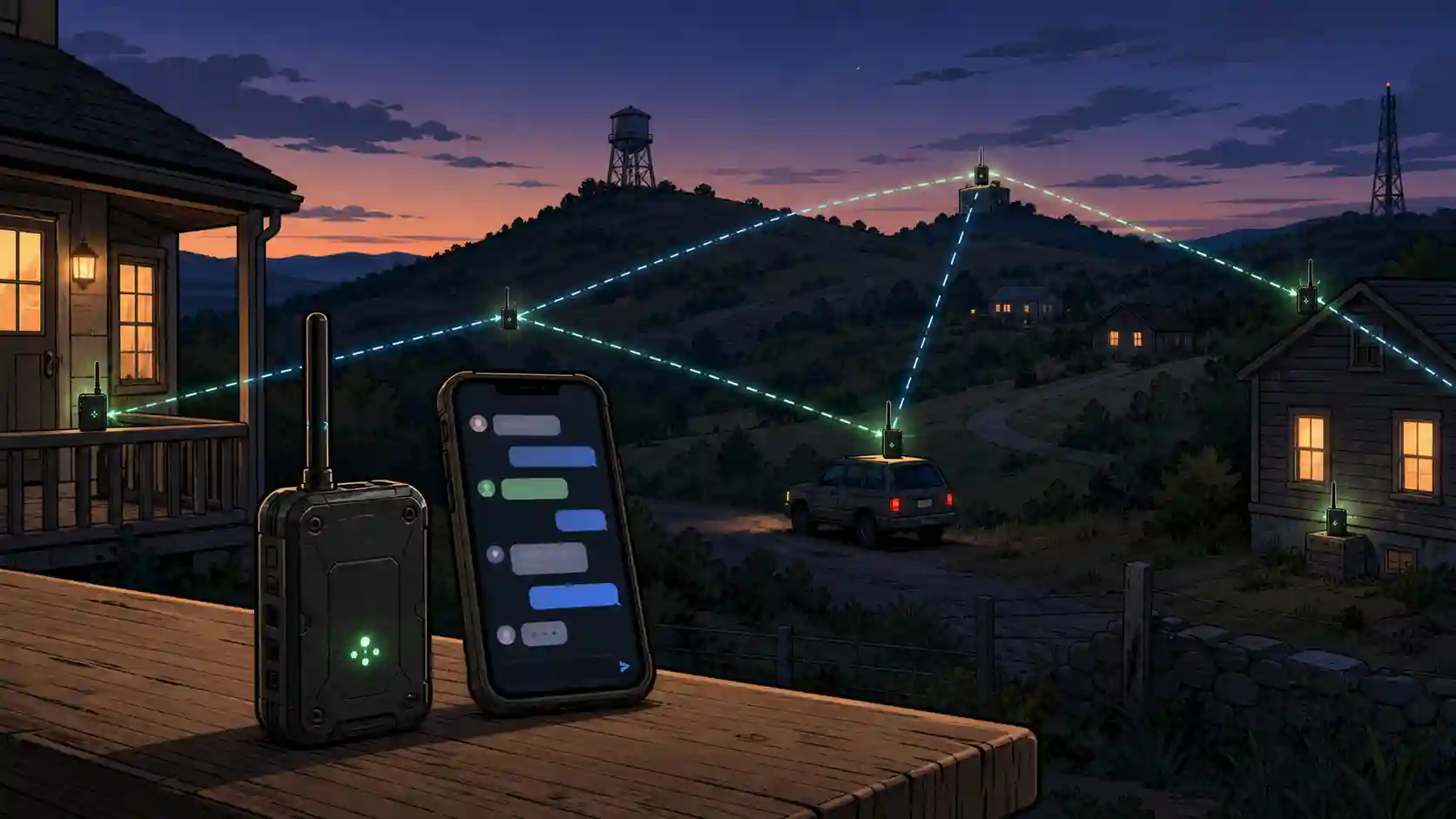 Primer
A cheap, battery-powered node in your pocket, no cell network, no license required, and every message AES-encrypted. It's the closest thing preparedness has to a secure group text that survives the grid.
 Reality-Check
The average car runs dry about 225 miles from home. Plan the drive all you want — the part that decides whether you make it is the part you do on foot.
 Primer
Snow that stops travel is dangerous only to the unprepared; a deep pantry and a warm room make it uneventful.
 Deep Dive
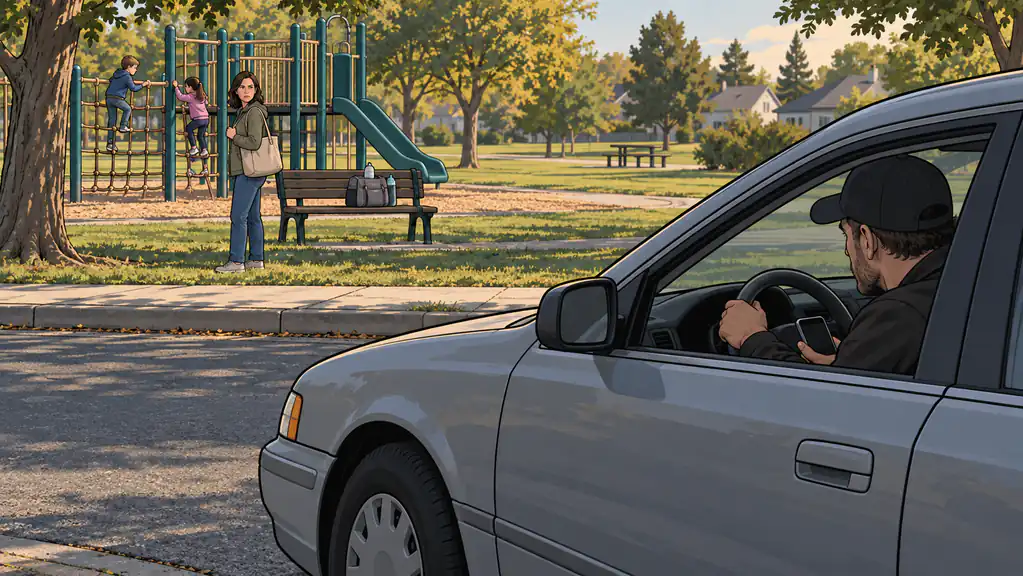
Every other threat is a force you wait out. This one is a person who adapts. The defense is a written record, a routine they can't forecast, and people who know before the crisis does.
 Deep Dive
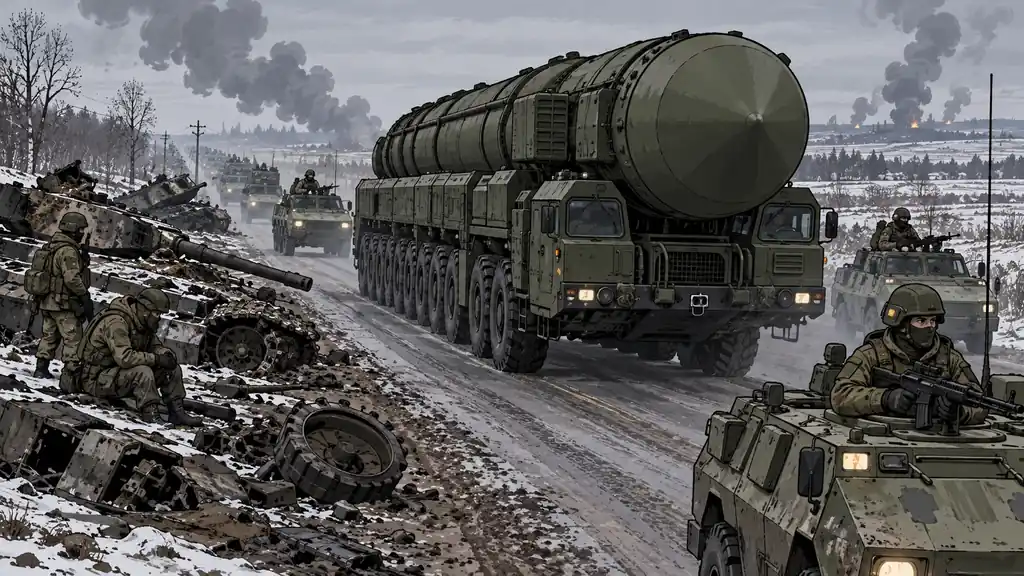
A conventional war with NATO is one Russia has openly admitted it can't win, so it wouldn't fight one that way. The danger is what a cornered nuclear power does when it decides war with the West is coming anyway — and the part that reaches your house long before any of that.
 Primer
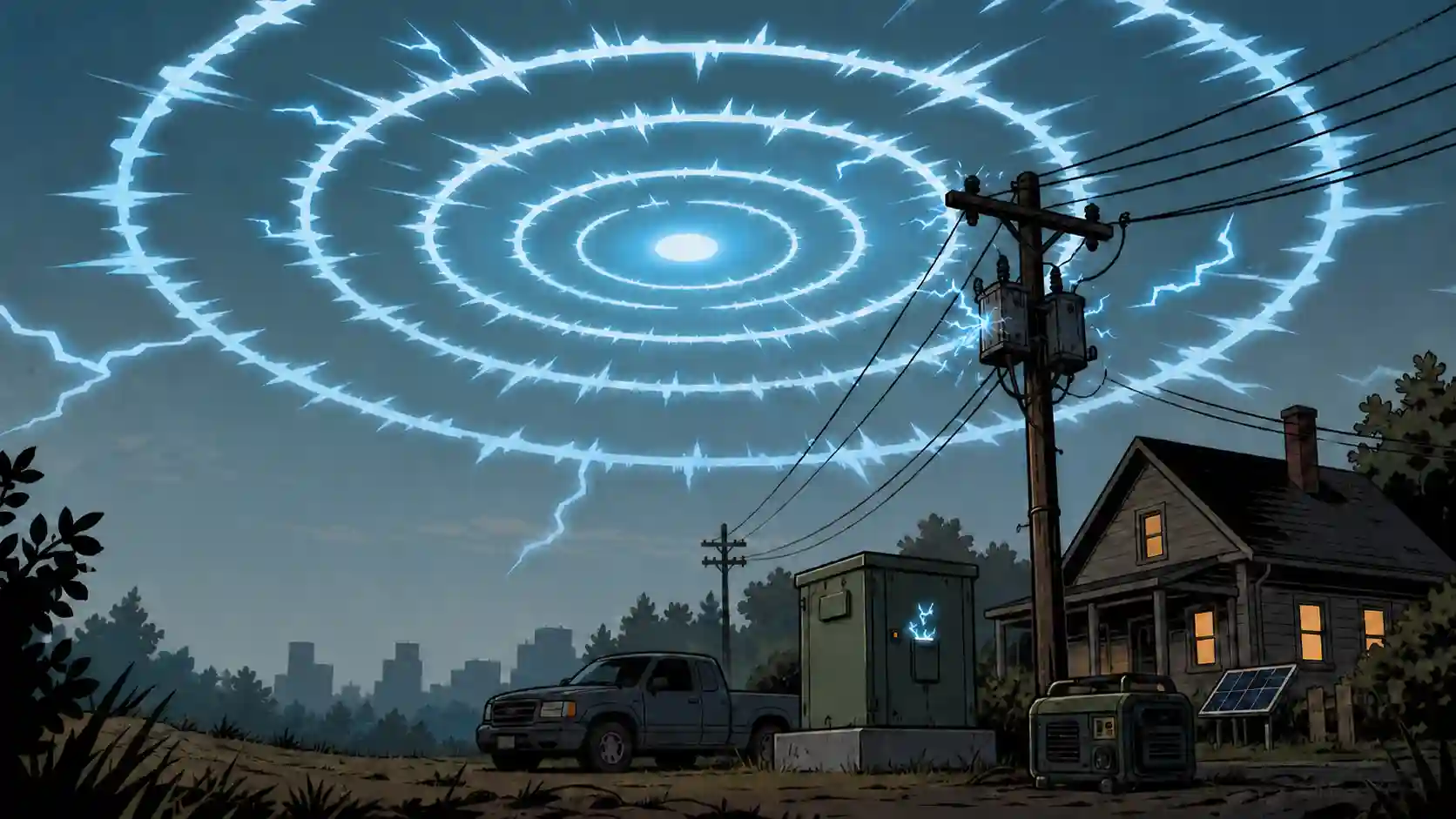
A calm, engineering-grade look at electromagnetic pulse — what the physics actually says, how likely it is, and what rational preparation looks like.
 Primer
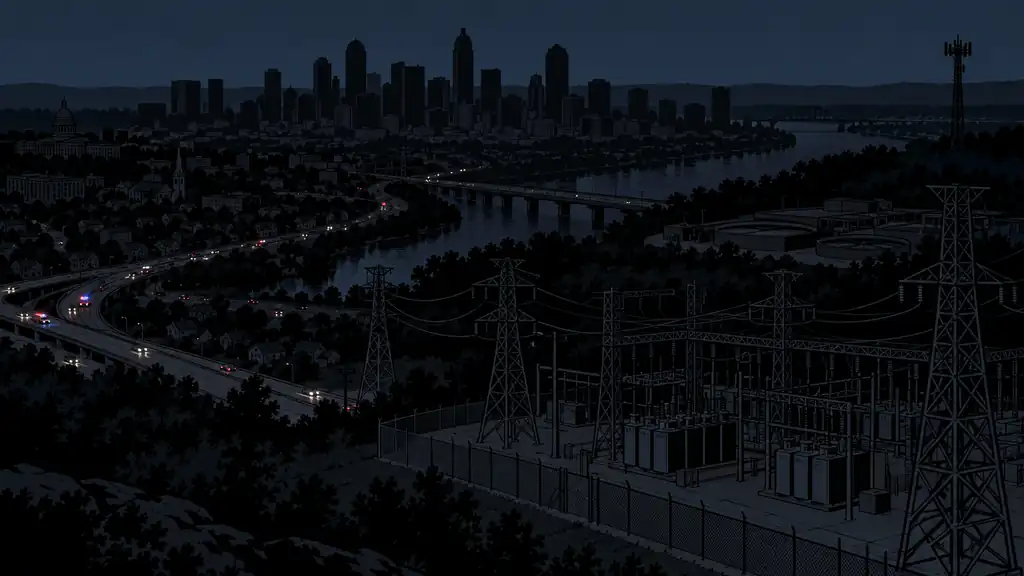
Water, heat, food, and medicine all run on power. Lose the grid for weeks and they fail in order — so you measure readiness in weeks you can run without it.
 Reality-Check
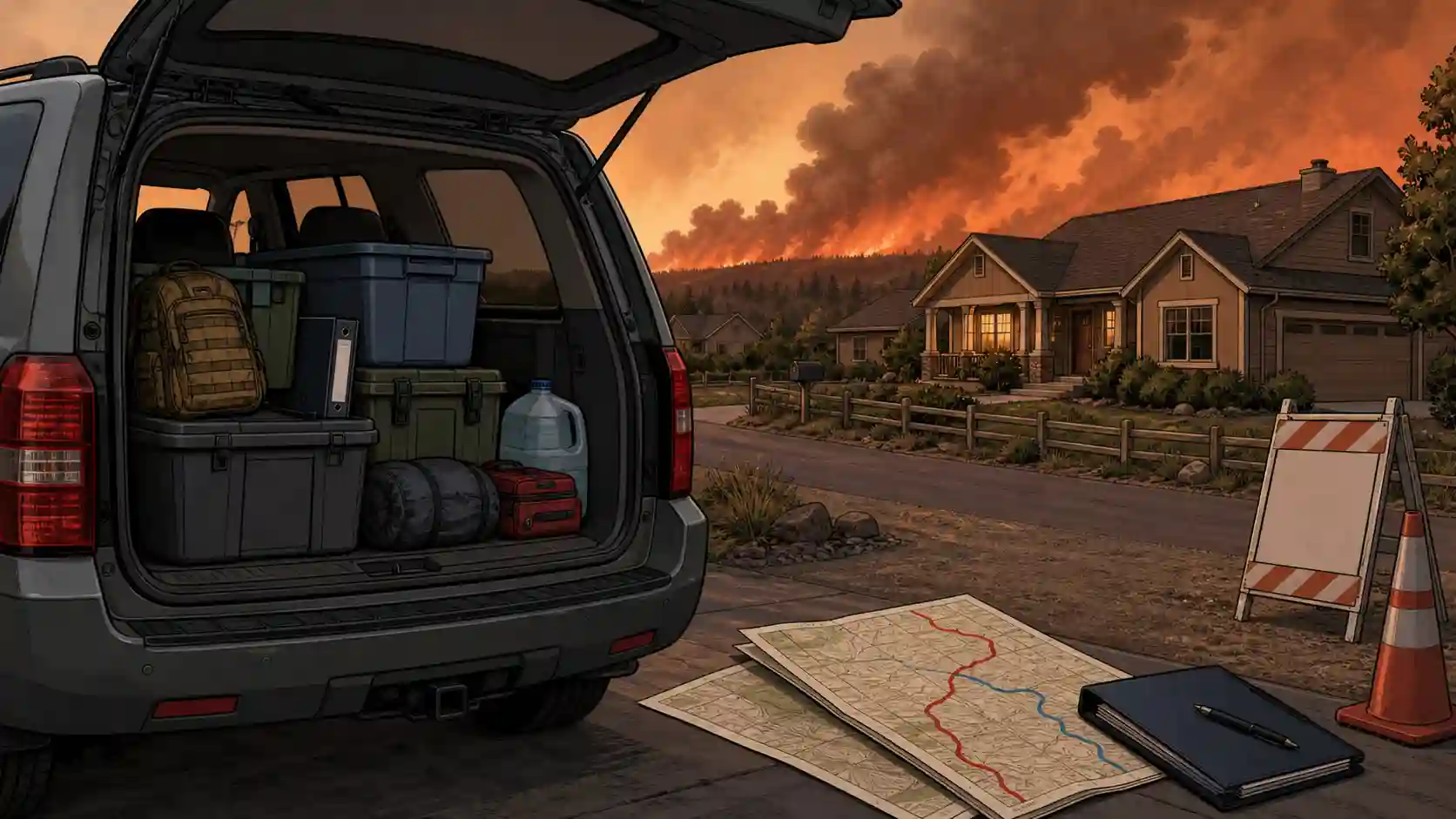
Bug-in vs bug-out is usually framed as a preference. For a handful of threats it isn't one — and you need the plan anyway, even if you never intend to leave.
 Primer
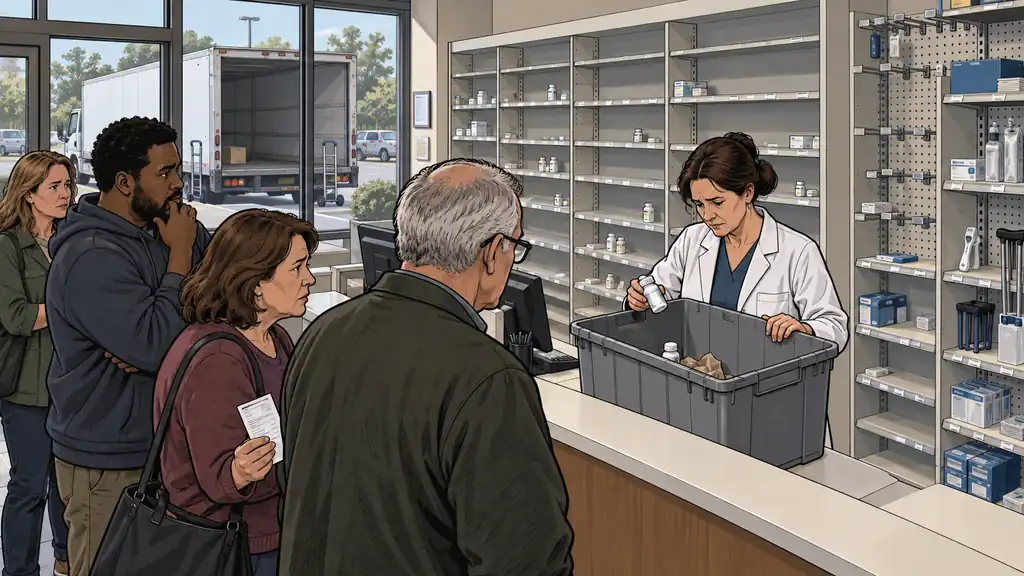
If war between the US and China were to occur, the just-in-time supply chain is the wire that would carry the shock straight into your house — so you prepare for the shortage, not the battlefield.
 Primer
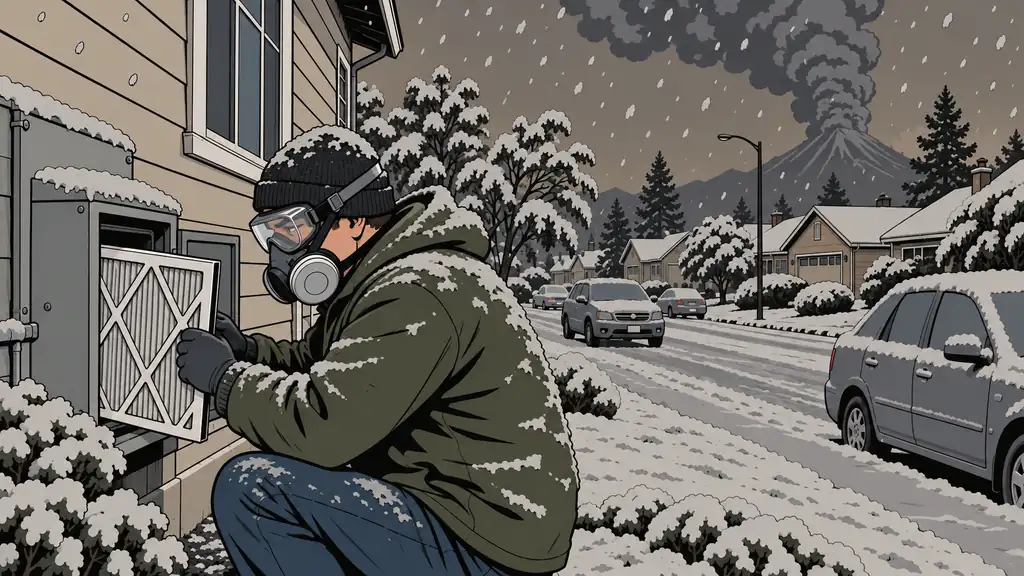
It's rare, and it's local. But downwind of an active volcano, ash fouls the air, the water, and every engine you own — for weeks. The whole job is filtering, sealing, and hauling.
 Primer
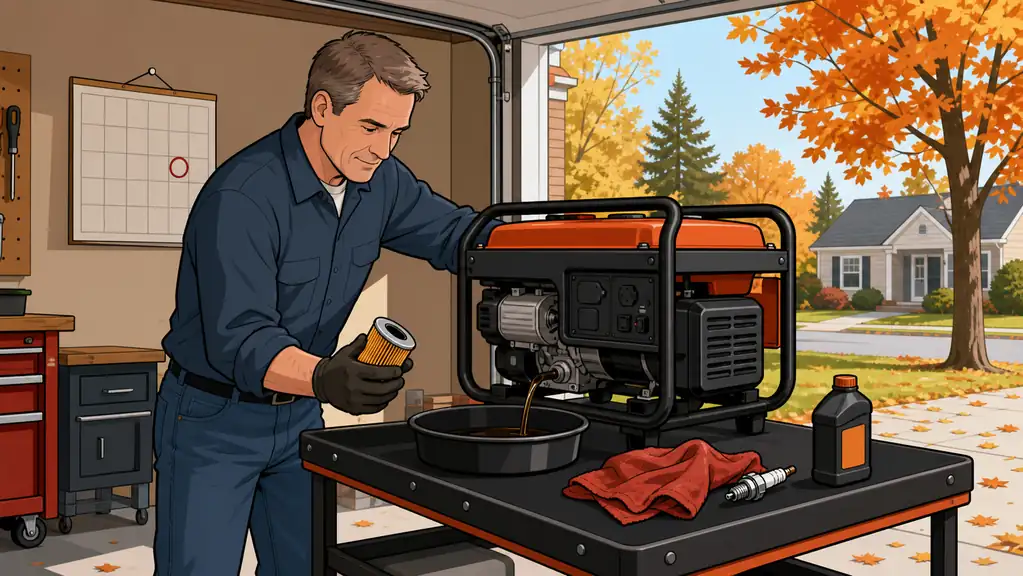
Maintenance and repair aren't the same category with different timing. One you schedule on a calm day; the other picks the day for you — usually the worst one.
 Primer
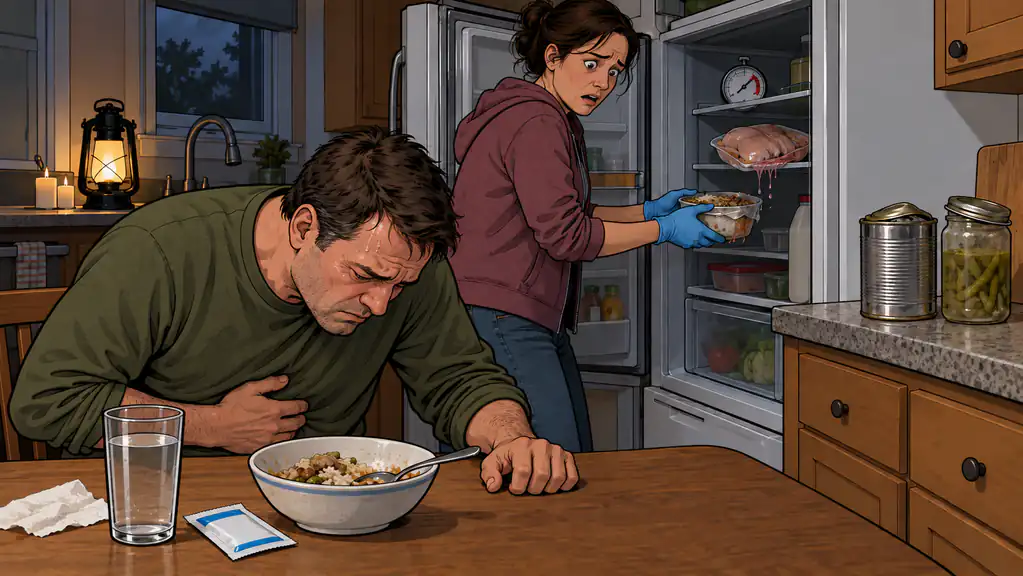
Food poisoning is near-certain and usually minor — until it hits during the outage you stored all that food for. Control the danger zone and the cold chain and it stays a bad day.
 Primer
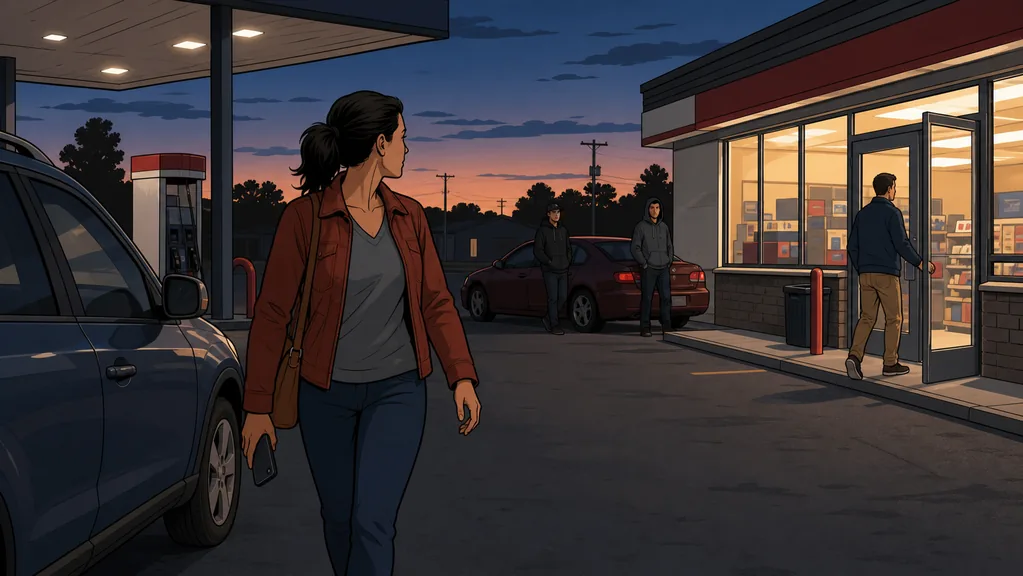
Situational awareness isn't a mood or a gadget — it's a trainable habit of noticing baselines and anomalies early enough to leave. It's the highest-yield protection skill and it costs nothing.
 Deep Dive
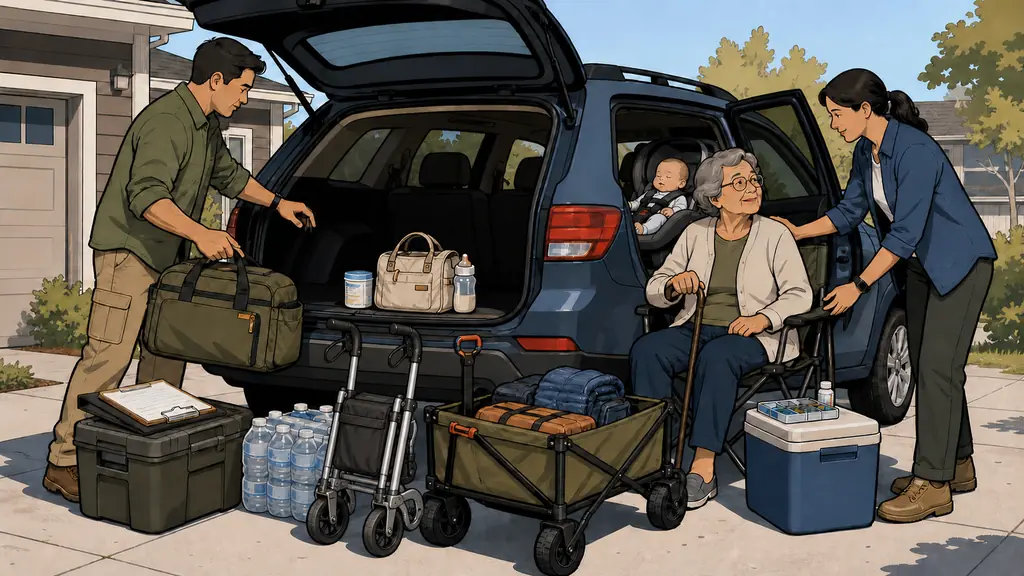
Most plans are quietly built for a healthy, mobile adult. Every infant, elder, and medically dependent person changes the math — and they're the whole reason you're prepping.
 Deep Dive
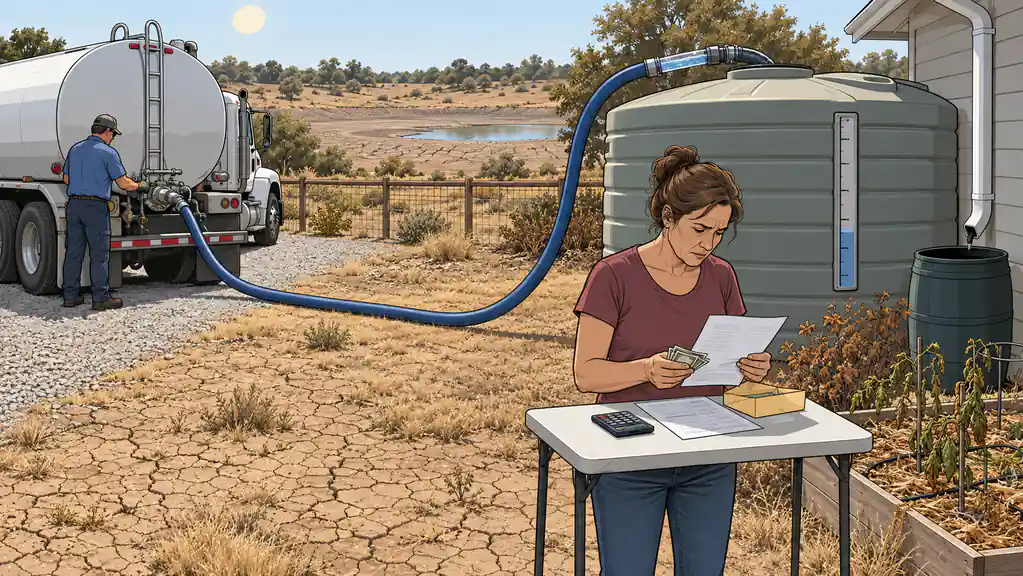
The danger isn't survival — it's a falling water table, a well that loses its yield, and a food bill that climbs across a whole region for years. Build the buffers while the reservoir is still full.
 Deep Dive
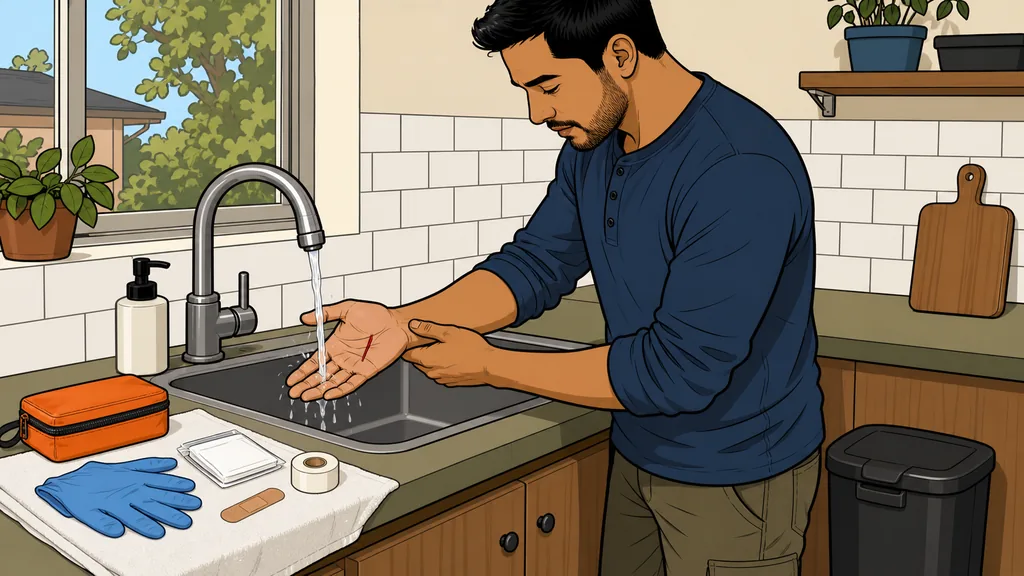
The wound that would have killed a hundred years ago is a prescription today. Take the pharmacy away and the small cut is dangerous again — which makes wound care, not pill-hoarding, the real prep.
 Primer
Every money scam runs the same machine: urgency, authority, and isolation, aimed at getting you to send funds you can never claw back. Understand the machine and one habit — verify first — dismantles almost all of it.
 Primer
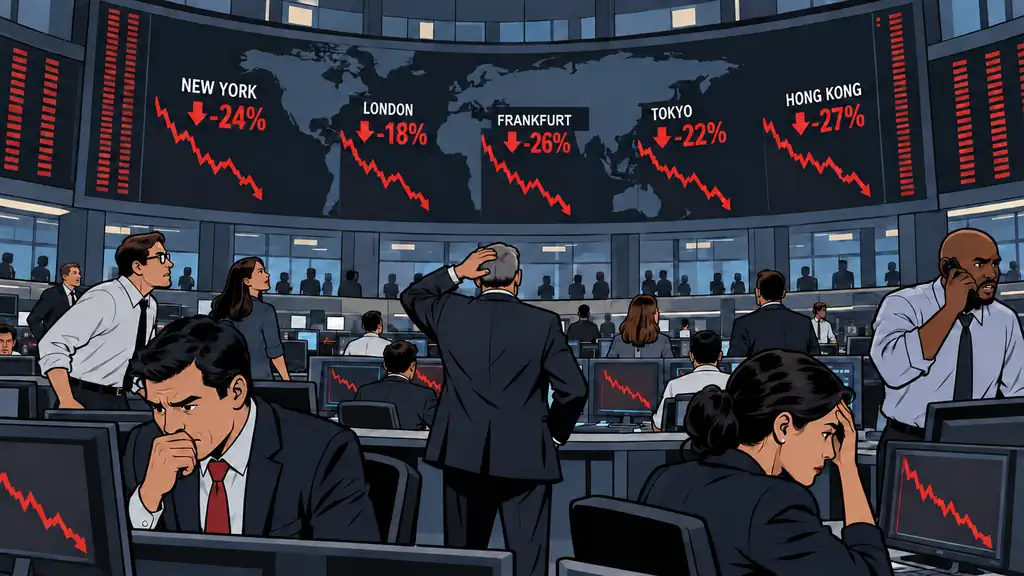
You can't stop a financial crisis from spreading. You can make sure your household isn't wired into it — with low debt, reachable cash, and skills that keep earning.
 Primer
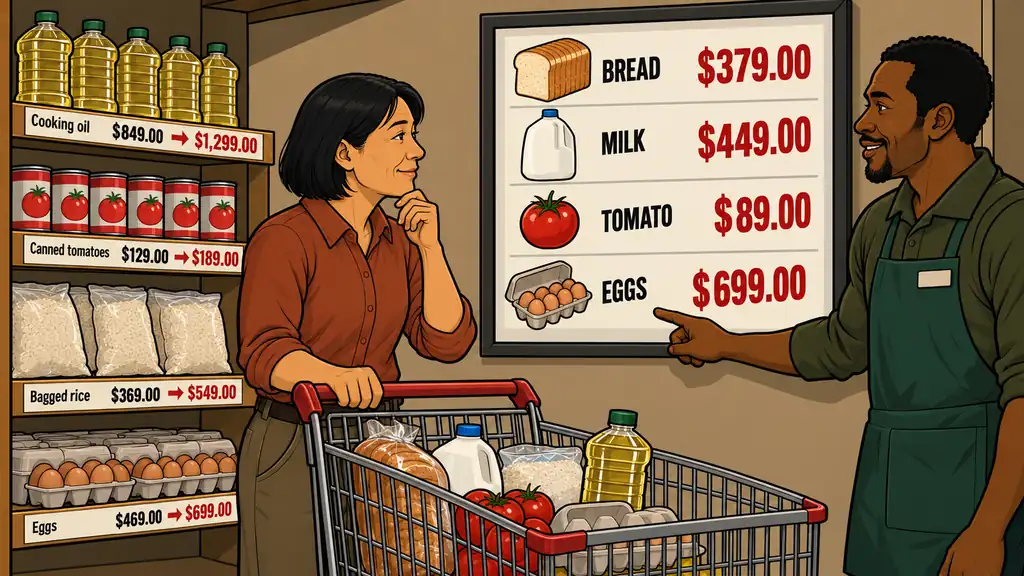
Rare where a currency is trusted, ruinous where trust breaks. The hedge is real goods, hard skills, and debt set up the right way — and it costs you almost nothing to be wrong.
 Deep Dive
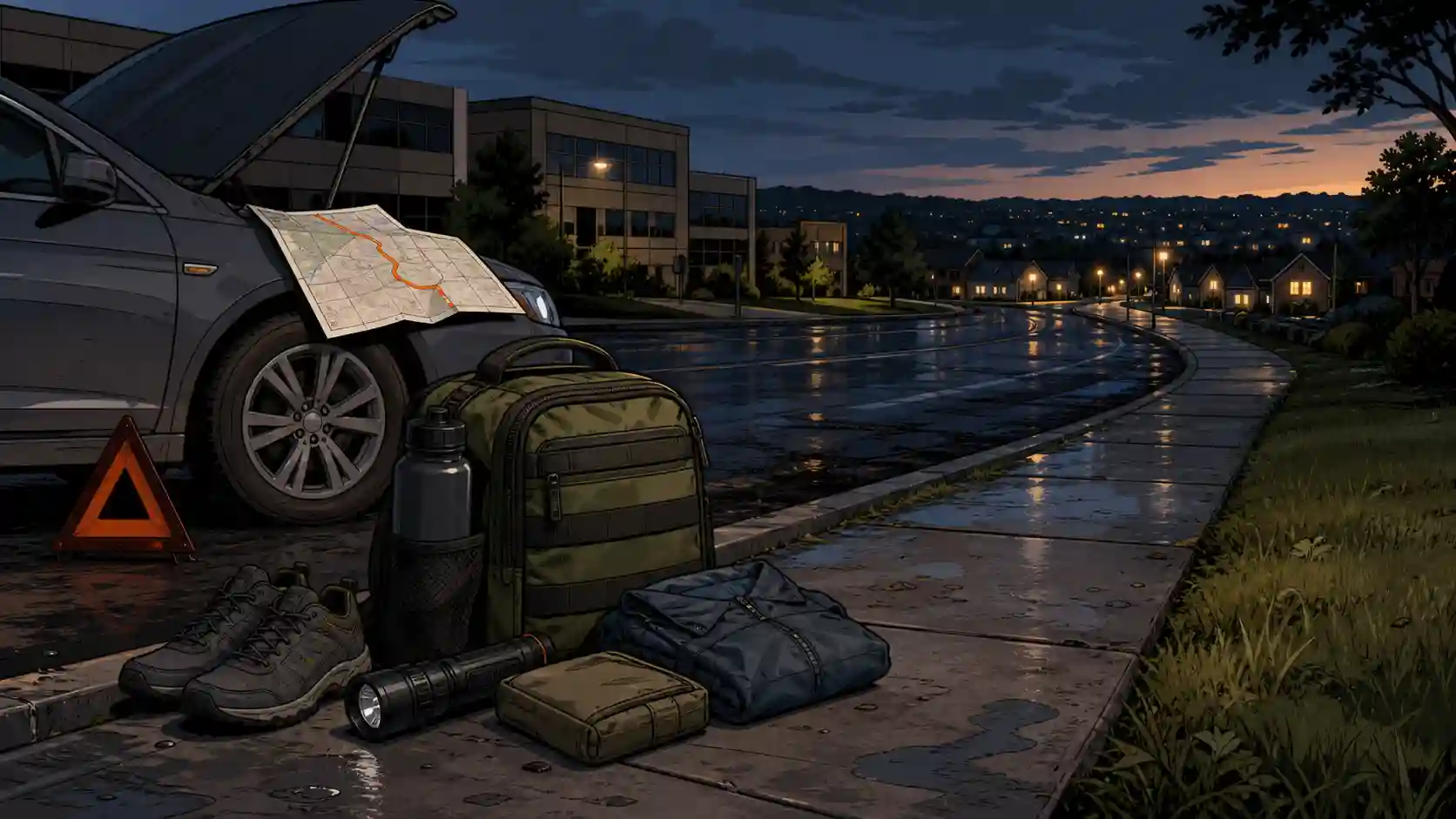
The get-home bag fills a niche that many try and use a bug-out or INCH bag to fill. This is the wrong approach — build the get-home bag and address bug-out and INCH in other ways.
 Reality-Check
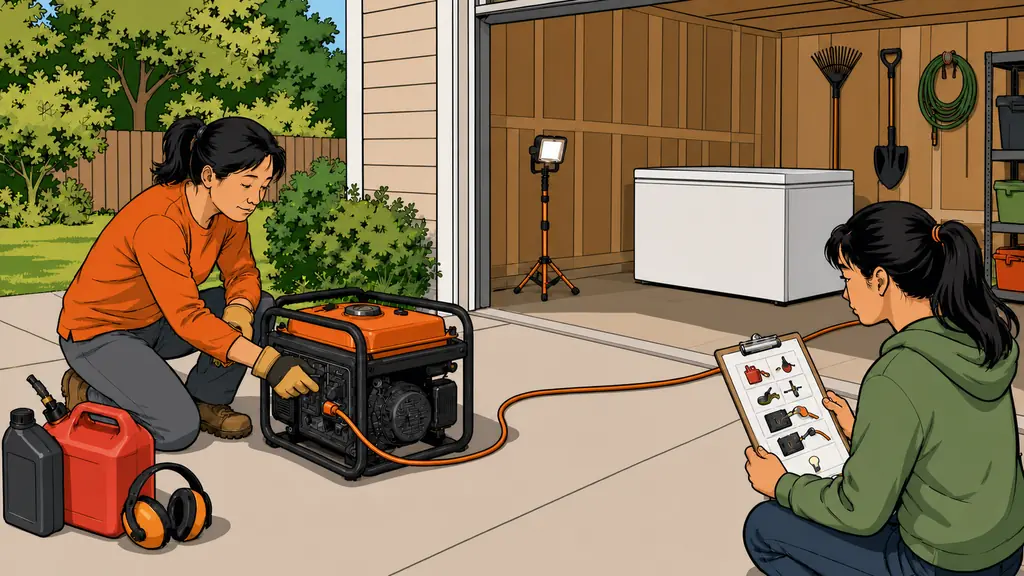
A generator you've never run under load is an assumption with a pull cord. The gap between owning one and having a working plan is one afternoon of testing.
 ★ FeaturedReality-Check
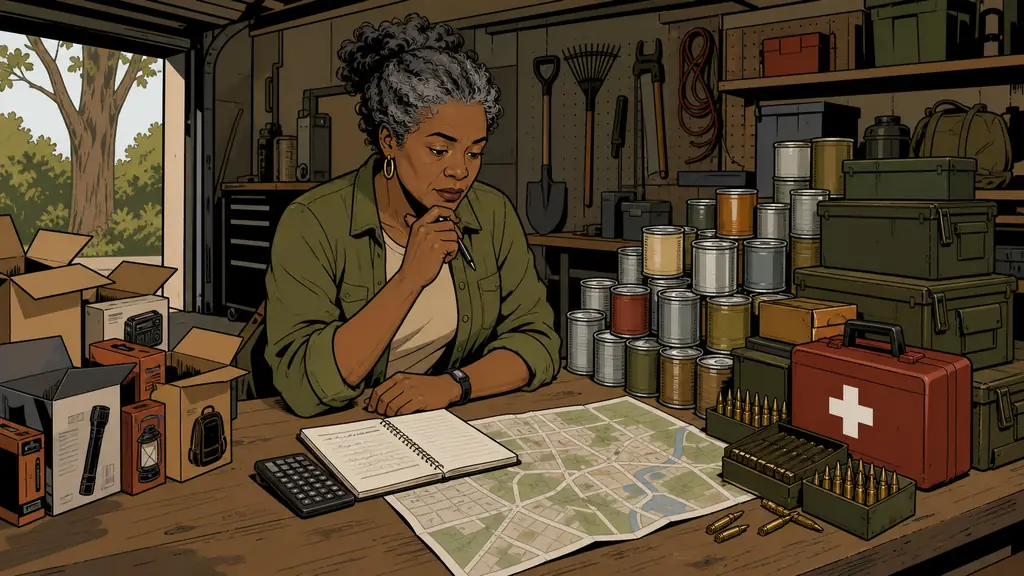
A stockpile is an answer to a question you never asked. Real preparedness starts with a baseline and a threat list — the boring, unglamorous work that decides whether any of the gear was worth buying.
 Primer
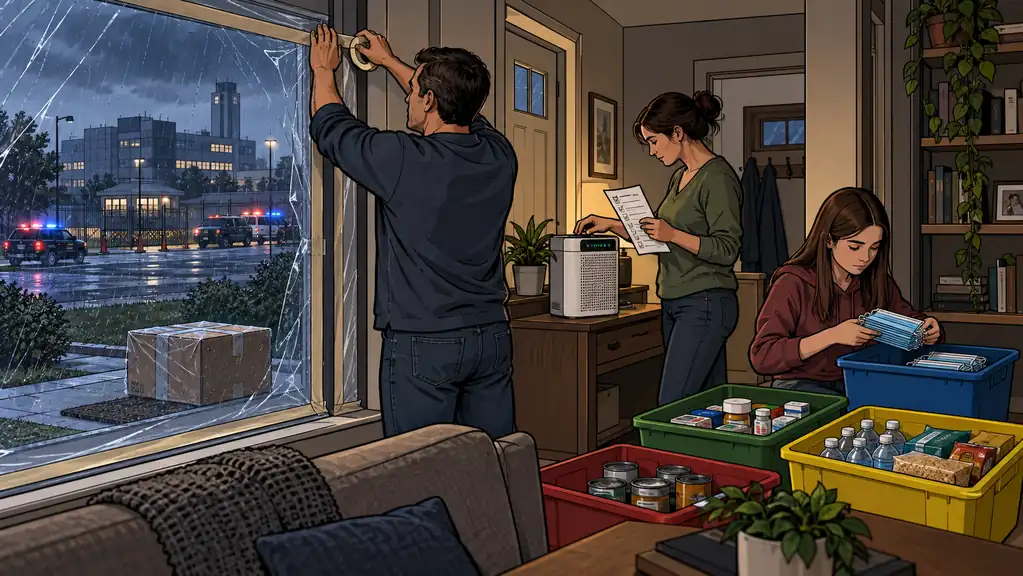
A deliberate outbreak is scarier in the telling, but the household response is the same isolation you'd prepare for a natural one. Just deeper.
 Deep Dive
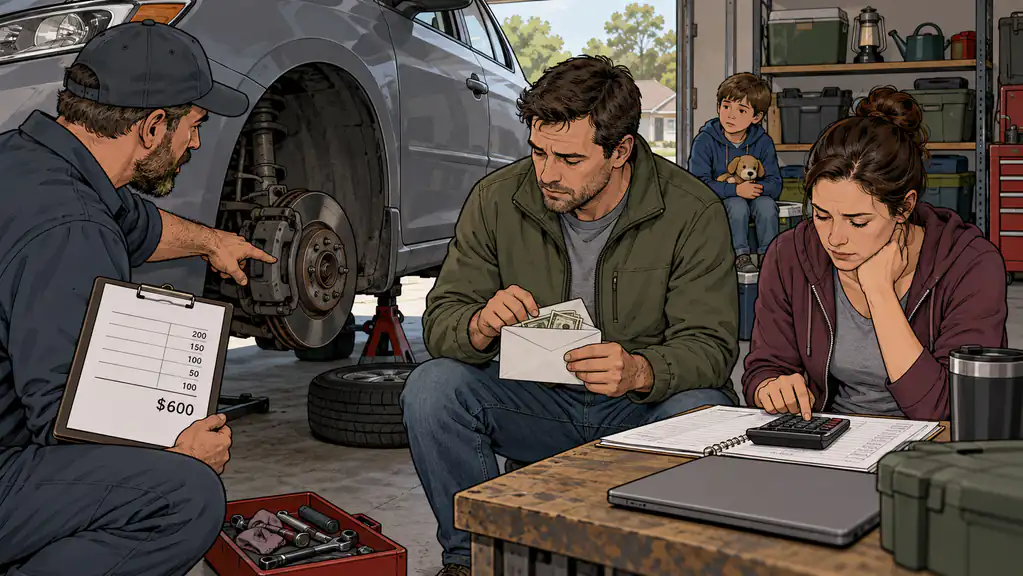
Cars break, hours get cut, bills surprise. The thing that keeps one setback from cascading isn't a stockpile — it's a cash buffer measured in weeks, and low debt behind it.
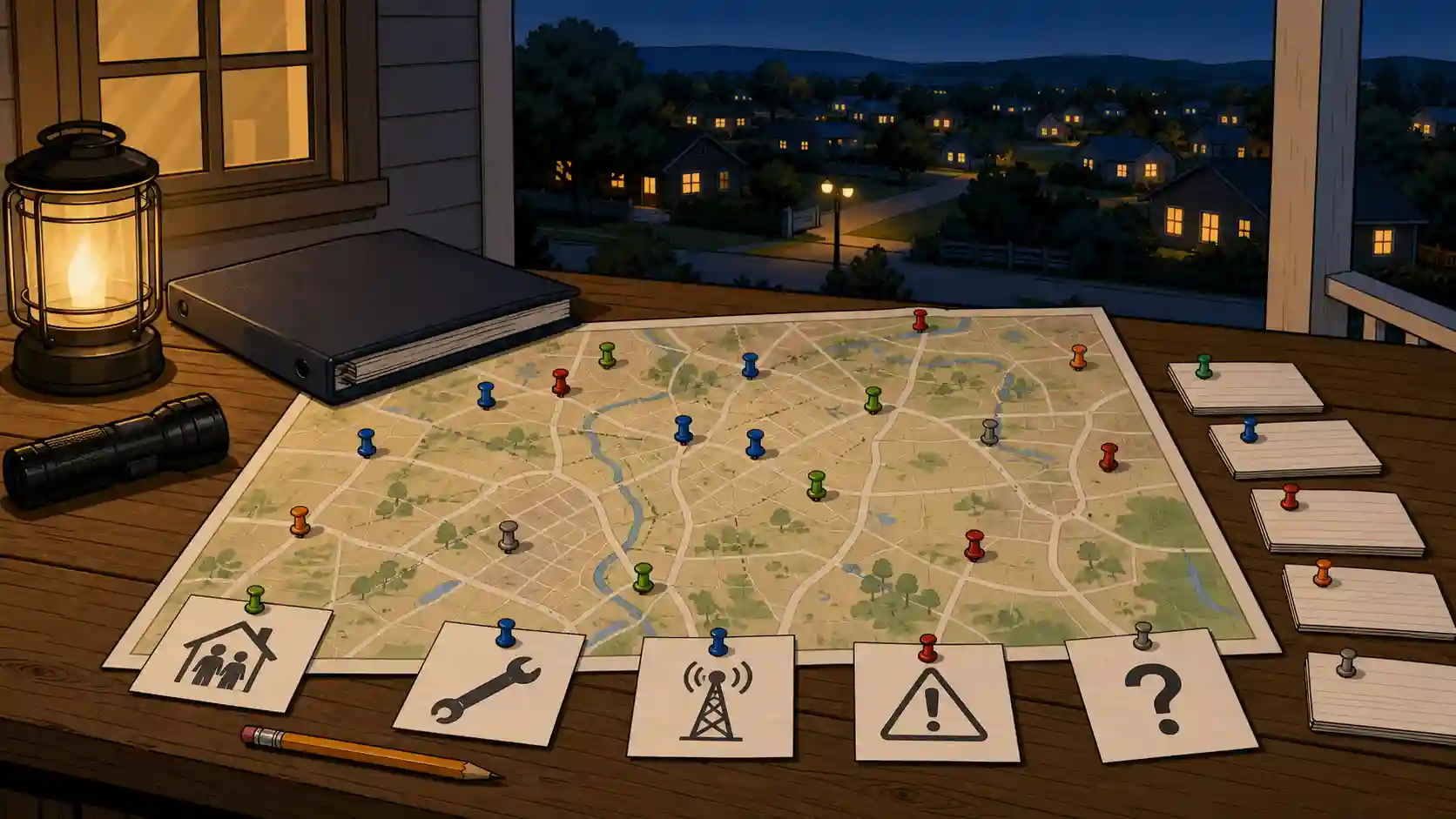 How-To
Your neighbors are the single biggest variable in how any emergency plays out — and the framework has an actual process for sorting them instead of guessing.
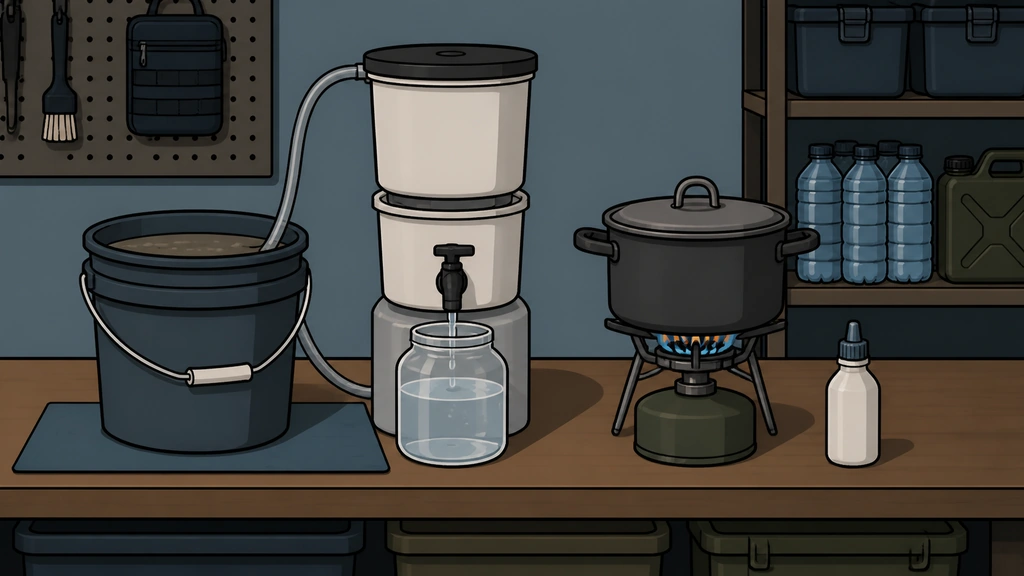 Reality-Check
Most filters remove what you can see and the bugs that cause the classic backcountry illness — but not viruses. Knowing which job each method does is what keeps you from getting sick on 'clean' water.
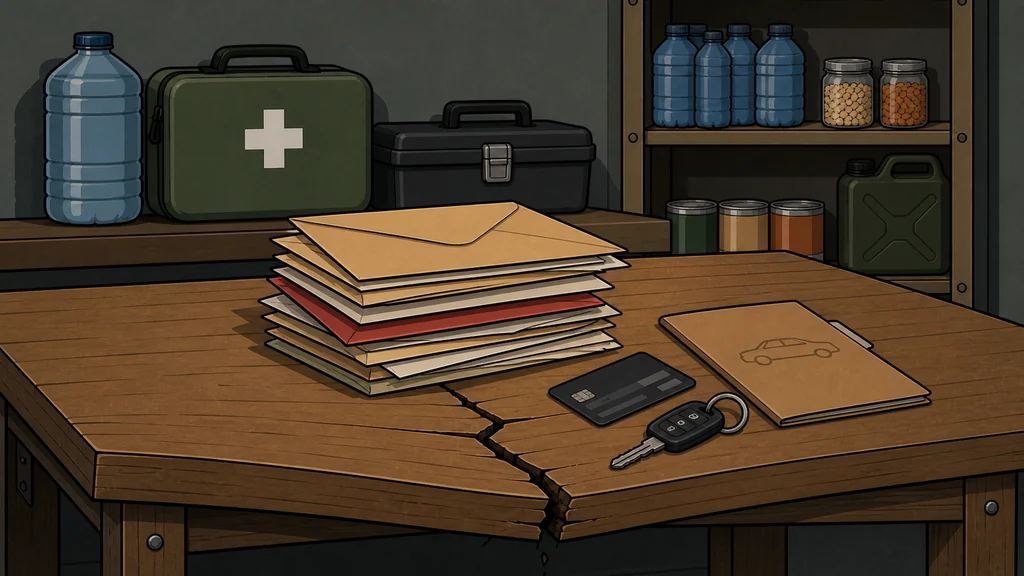 Reality-Check
A loaded pantry can't make a car payment. Every fixed monthly obligation is a crack in the foundation that turns a survivable setback into a collapse.
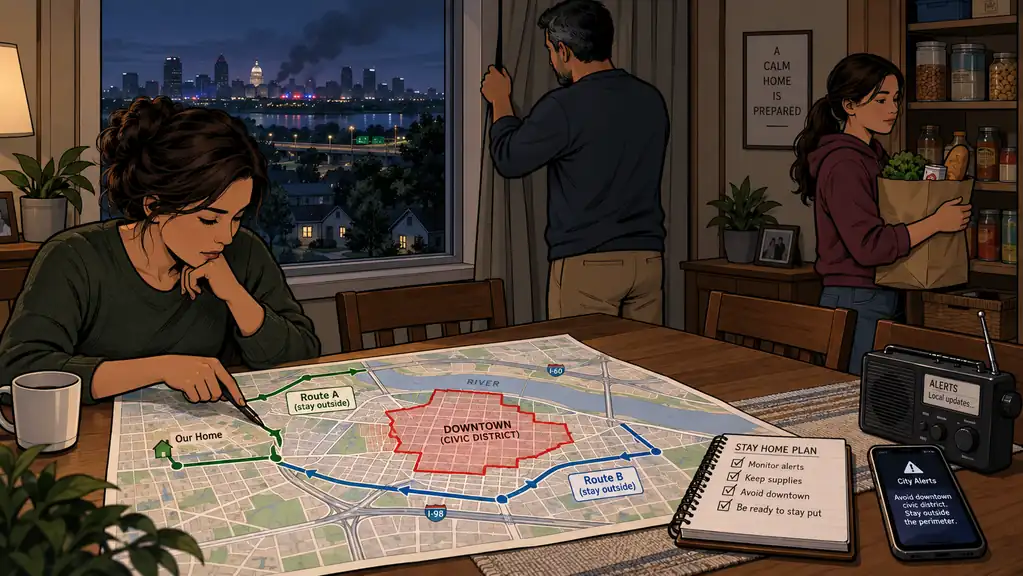 Deep Dive
Unrest has an origin, an edge, a lifespan, and warning signs you can read. Map all four, keep enough at home to not need the closed stores, and it never touches you.
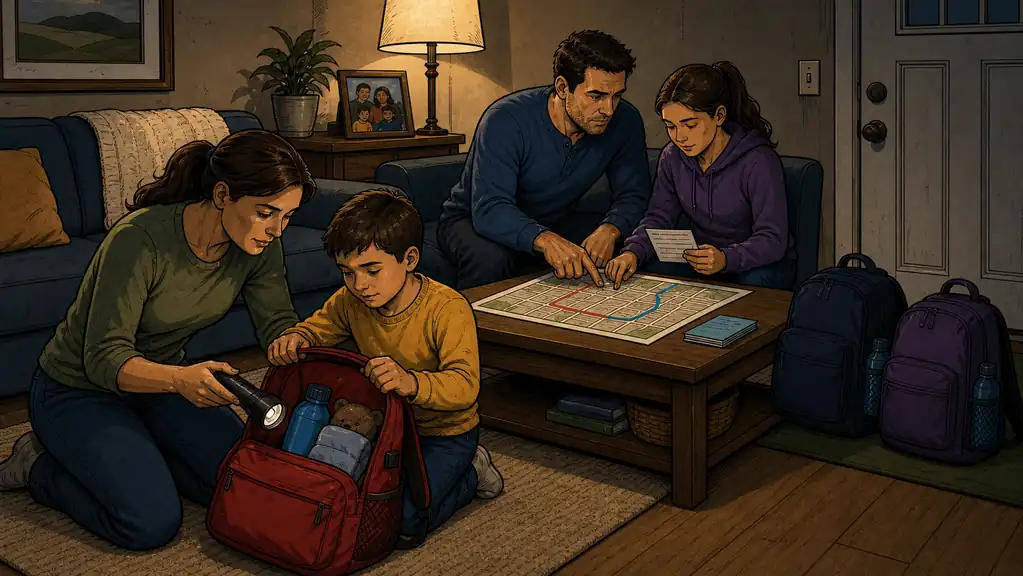 Reality-Check
Fear will get you to the store once. It's a great alarm and a terrible engine — a durable why is what keeps you rotating the water ten years later.
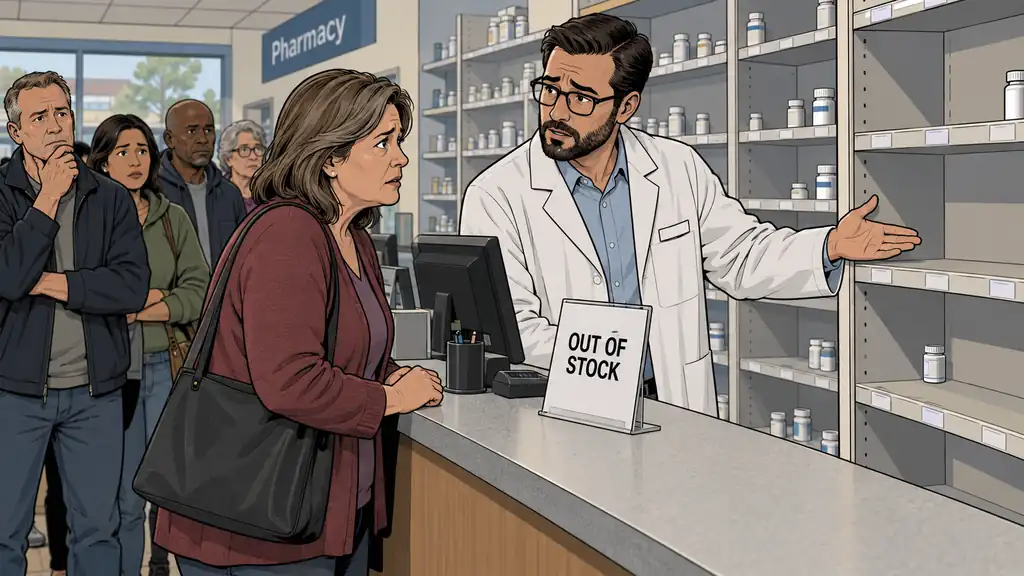 Primer
Drug shortages are routine, and the reason is structural: much of the generic supply and its raw ingredients are made overseas. Here's how to count your real days of buffer and build one that holds.
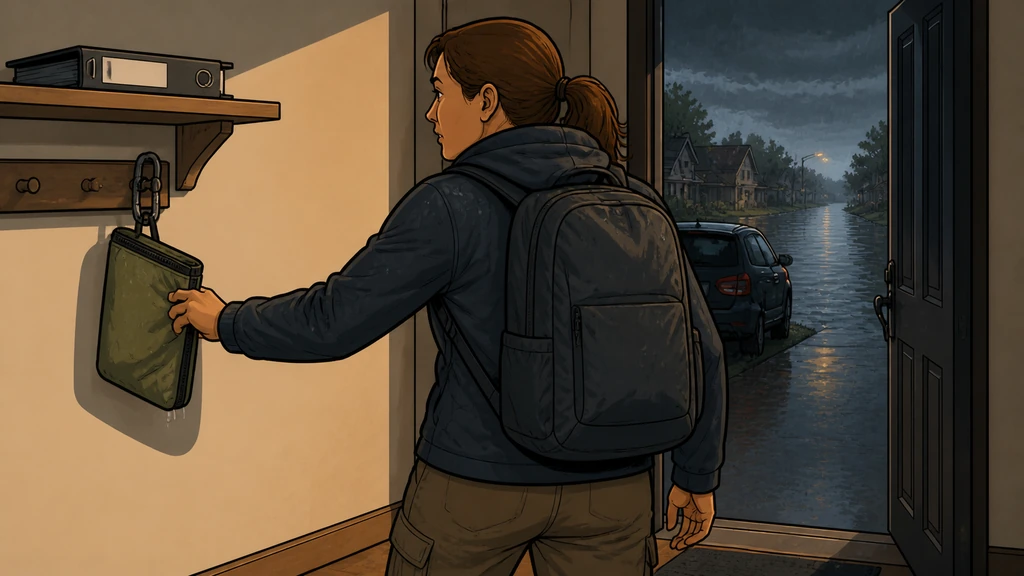 How-To
The binder is your library. The grab pouch is what actually leaves with you — a curated, waterproof, always-in-the-bag subset you can carry out in seconds.
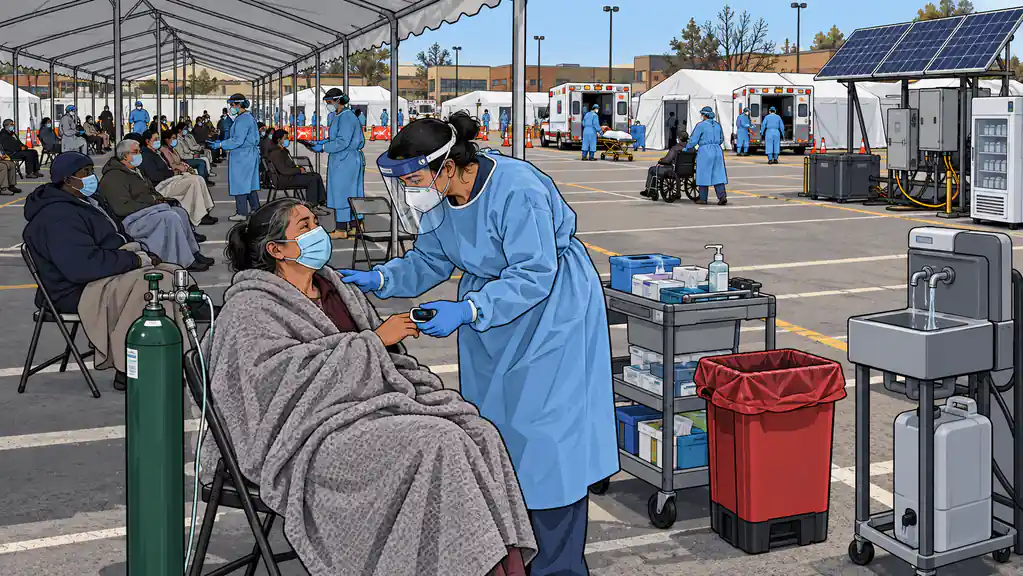 Deep Dive
The worst pandemic is the one where resupply never comes. A stockpile counts down; skills and a renewable household don't. Here's how to build for an open-ended clock without letting a rare event run your life.
 Primer
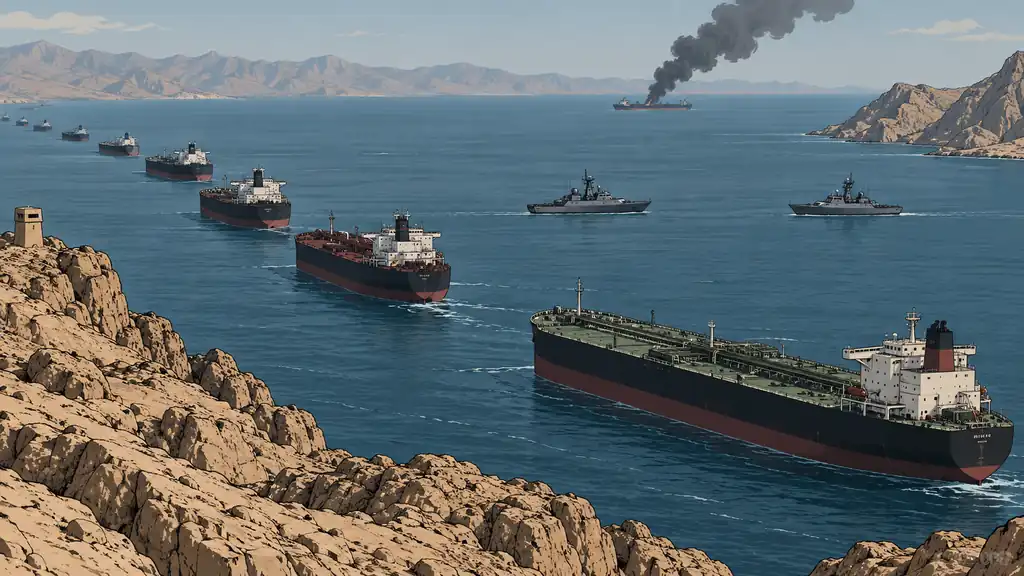
Iran has no missiles that reach America, no navy past the Persian Gulf, and an aging air force. That's the wrong thing to measure — the real threat is a chokepoint, an oil shock, and a war that comes home sideways.
 Deep Dive
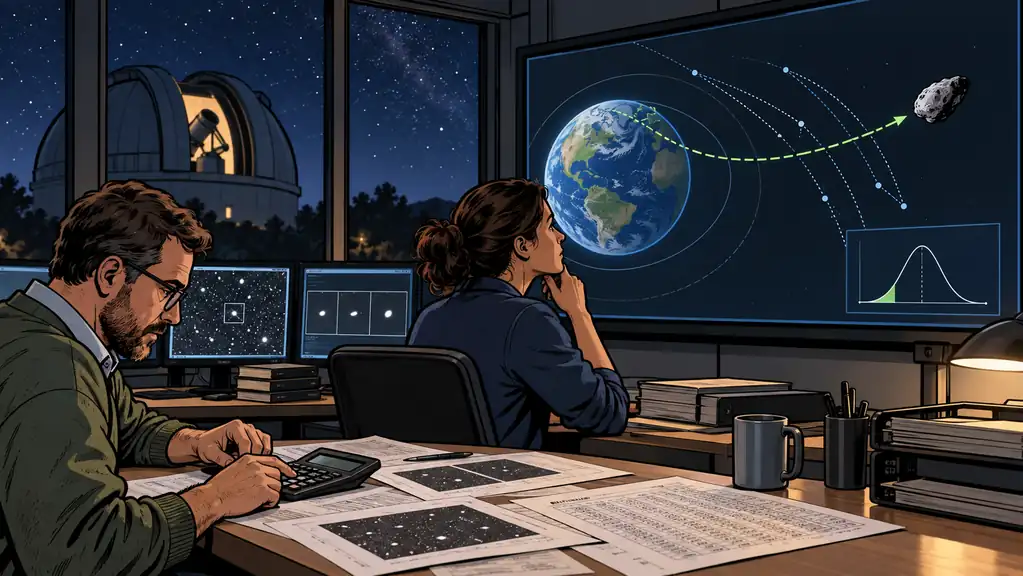
Work the size-frequency numbers, the impact-winter physics, and the shift to detection-and-deflection, and the biggest catastrophe on the list rationally gets the smallest budget. The framework that zeros it out is the one that sizes everything else.
 ★ FeaturedEditorial
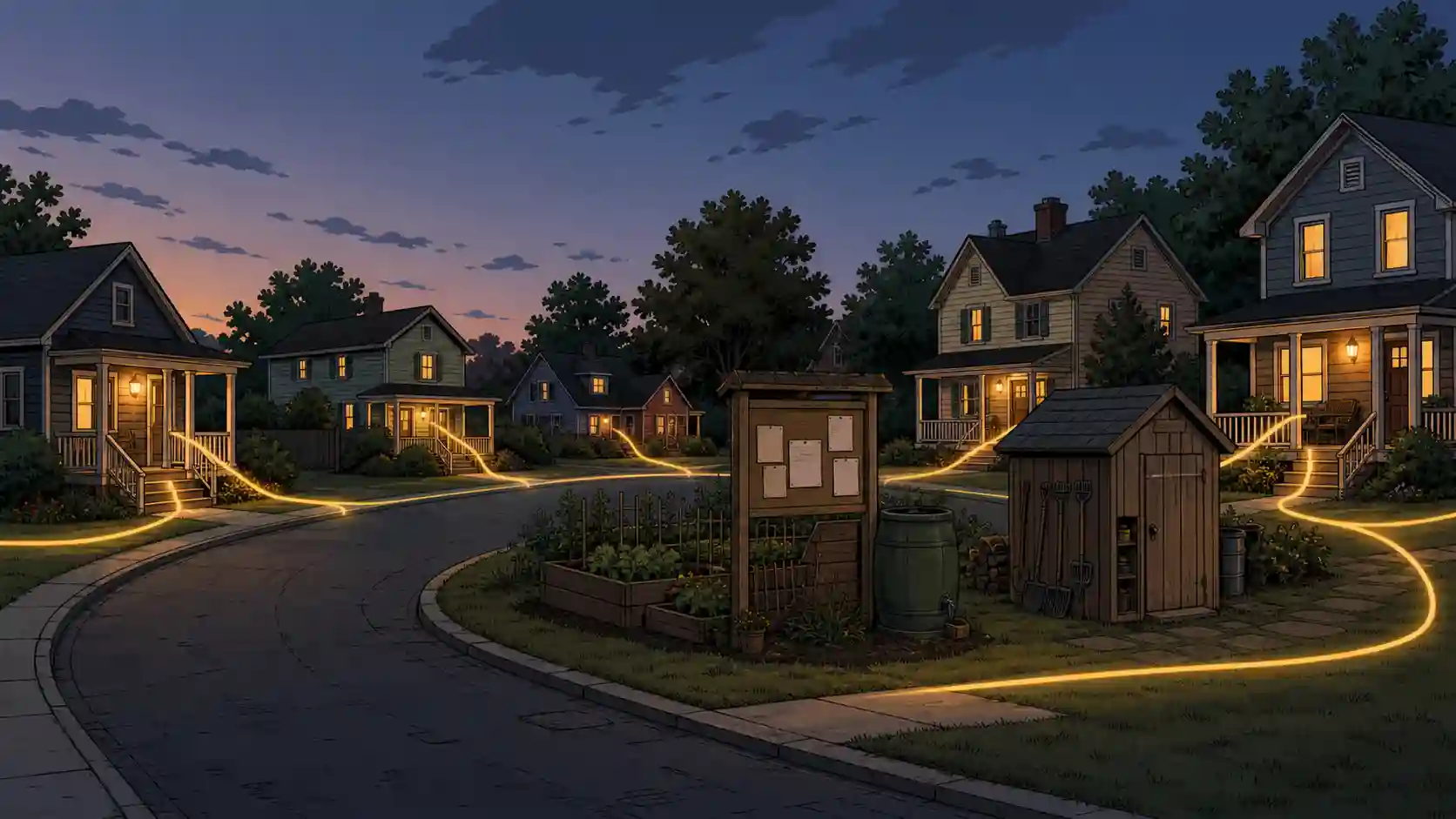
Lone wolves are not the path to preparedness - resilient communities are.
 Primer
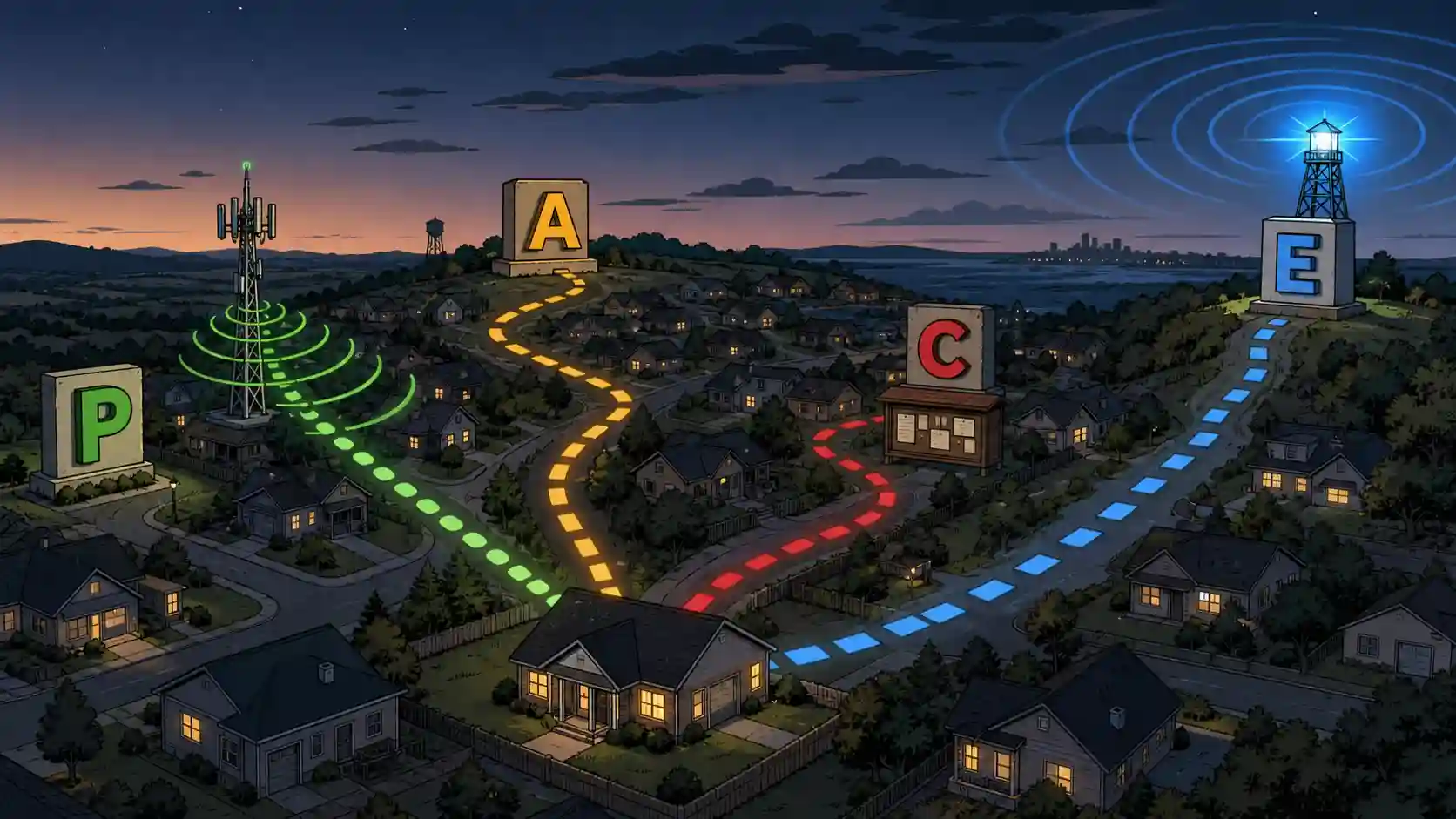
Military communication plans are built around the PACE system to ensure that communication can always be established.
 Primer
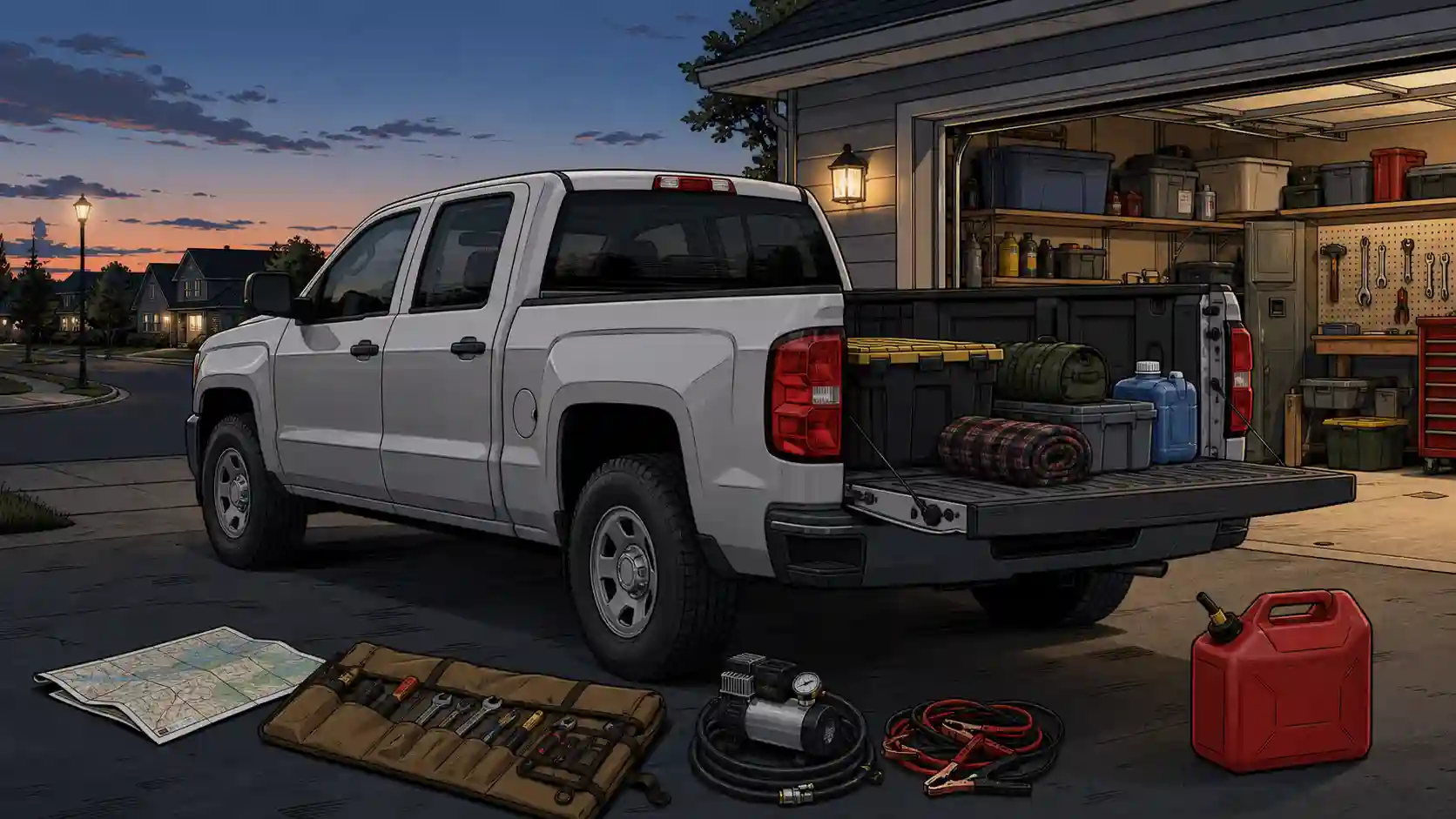
Bug-out vehicles have become a popular topic in some preparedness circles. Let's look at what they are and whether you need one.
 Primer
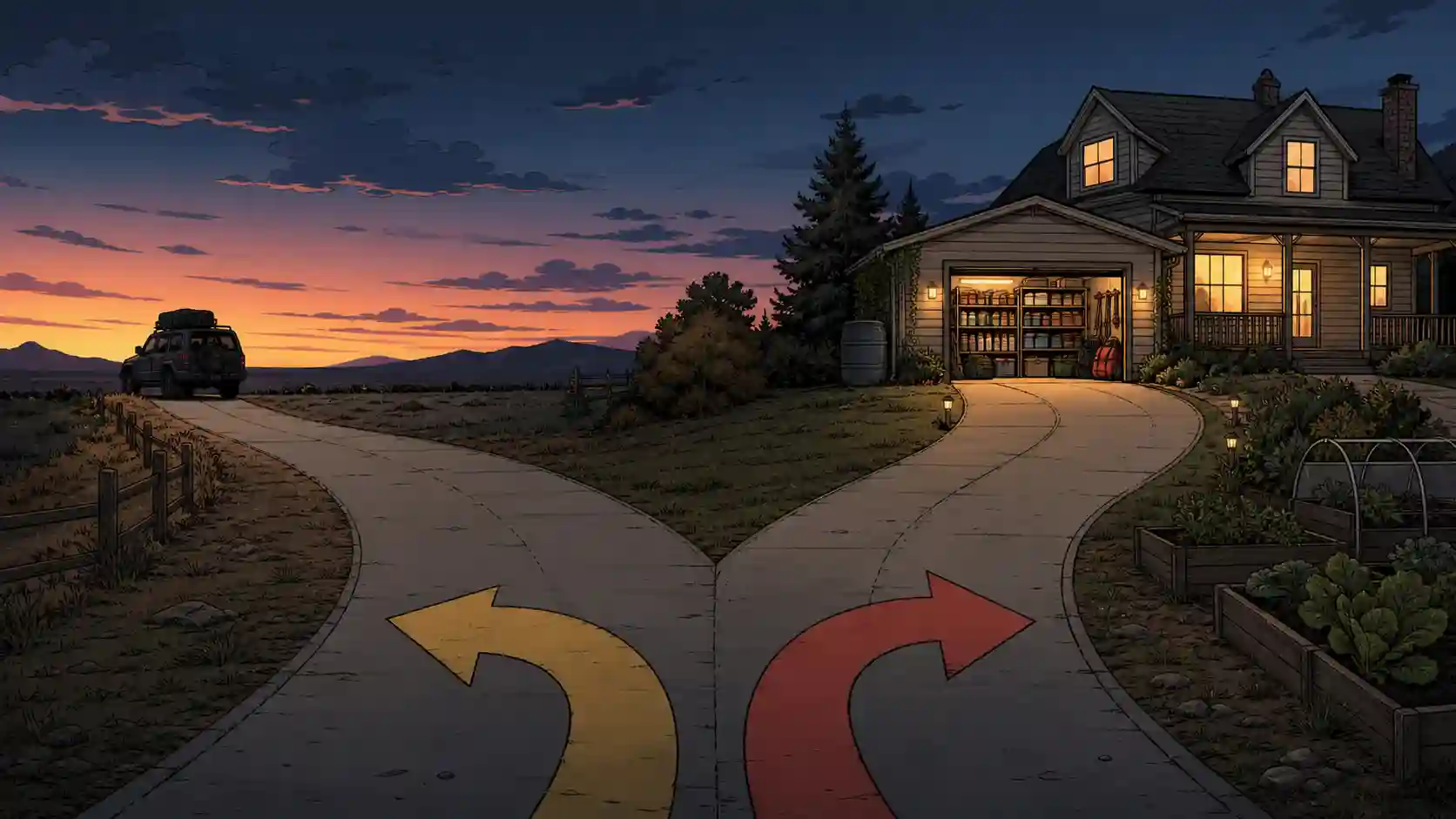
Should you stay or should you go? Considerations for when to bug-in versus bug-out.
 Primer
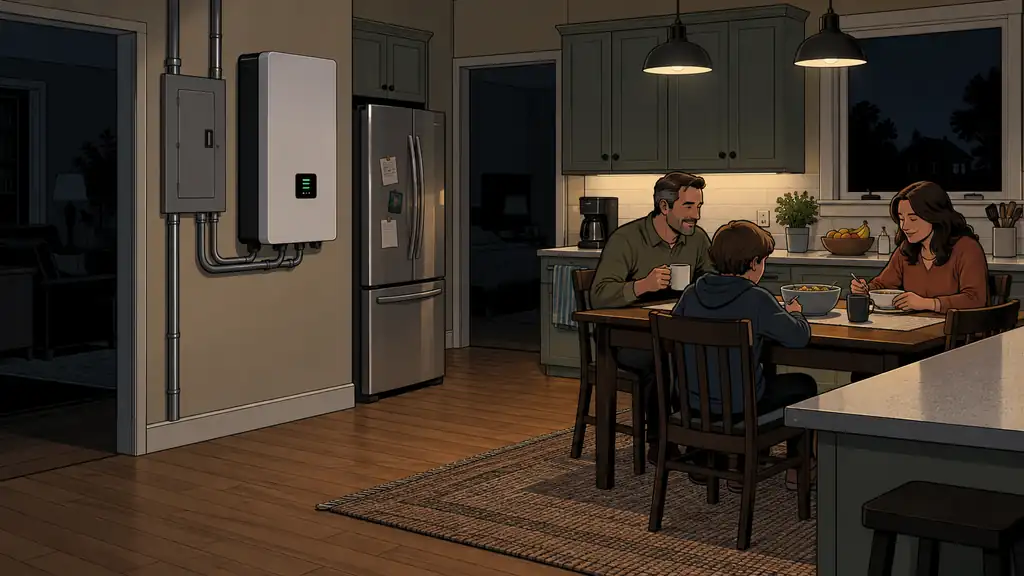
Heat, water, food, medicine, and your phone all hang off the same wire. When it fails across the whole region for days, the only backup that helps is the one already at home.
 Primer
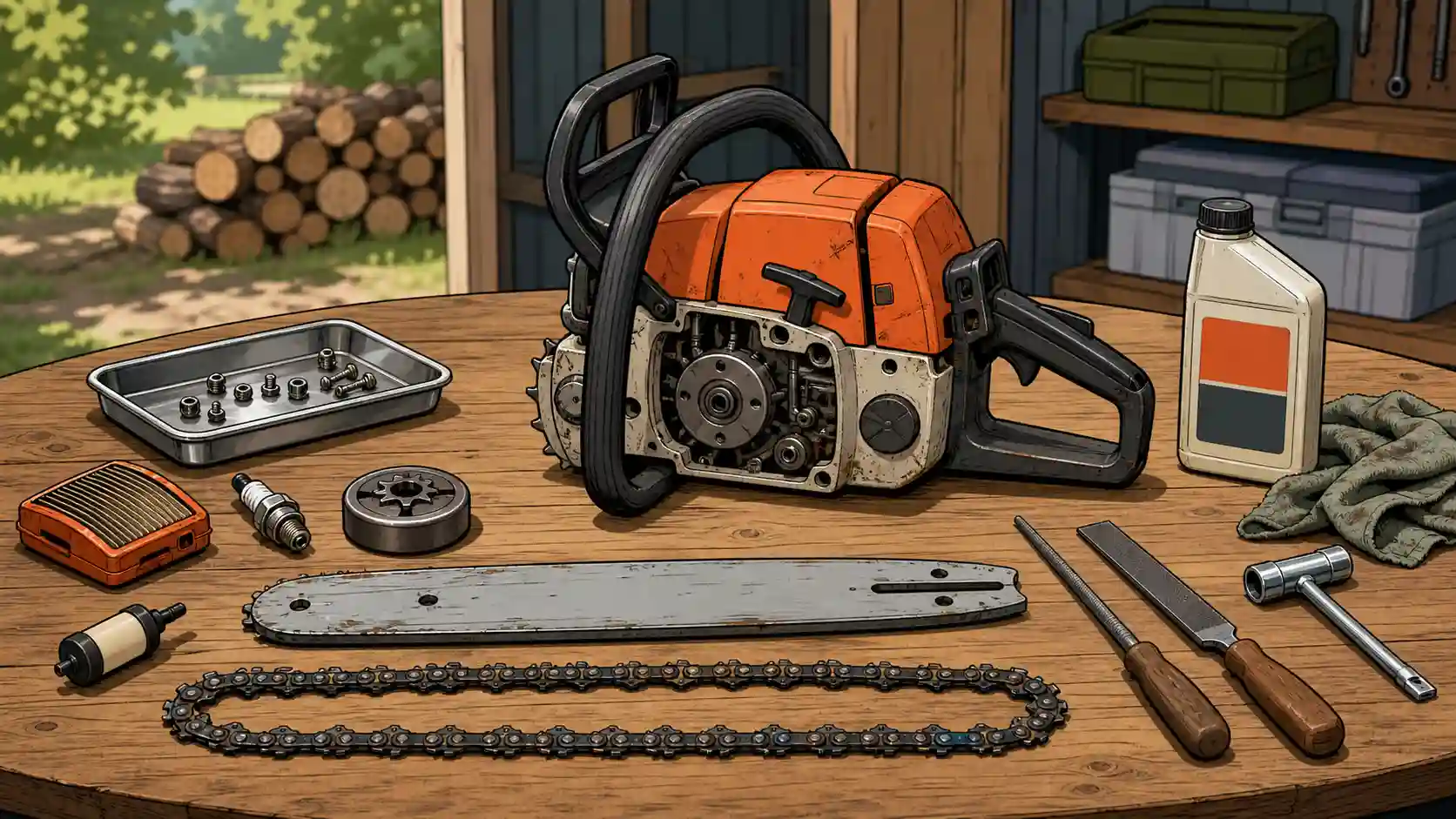
The second law of thermodynamics doesn't care about your preparedness budget. Repair is the only category that's guaranteed to get used — and it's the one nearly everyone skips.
 Primer
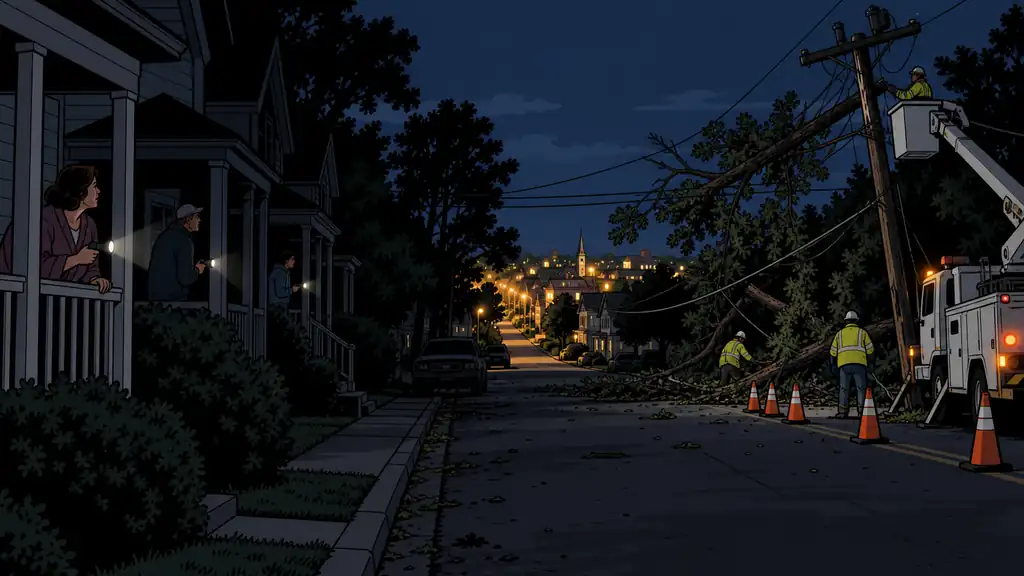
Most outages are nothing. The prep that matters is the jump from hours to days: keeping food cold, holding heat, keeping water, and staying reachable.
 Primer
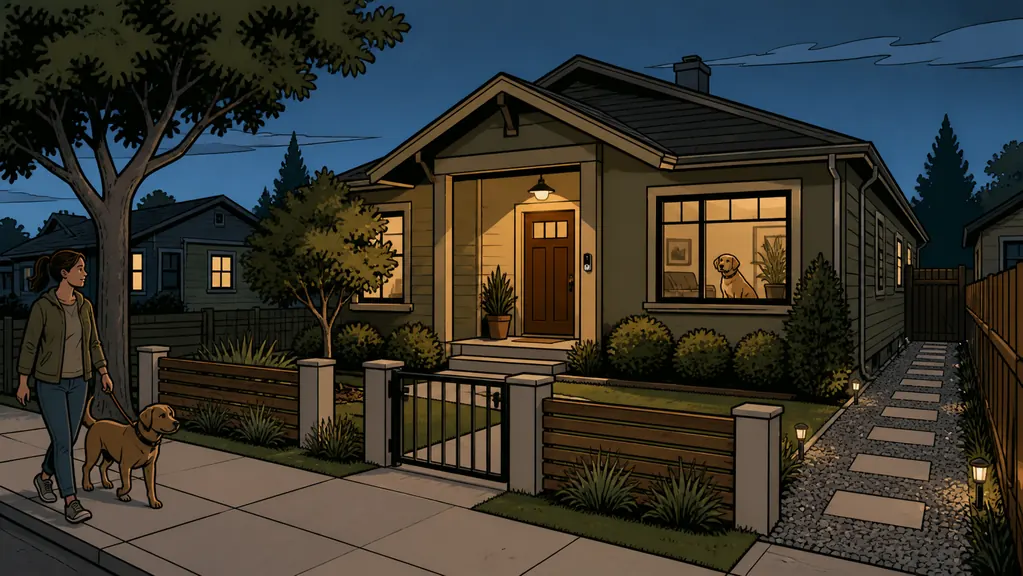
A firearm is one layer of a home's defense, and the last one. The layers in front of it do most of the work — and most people never build them.
 Reality-Check
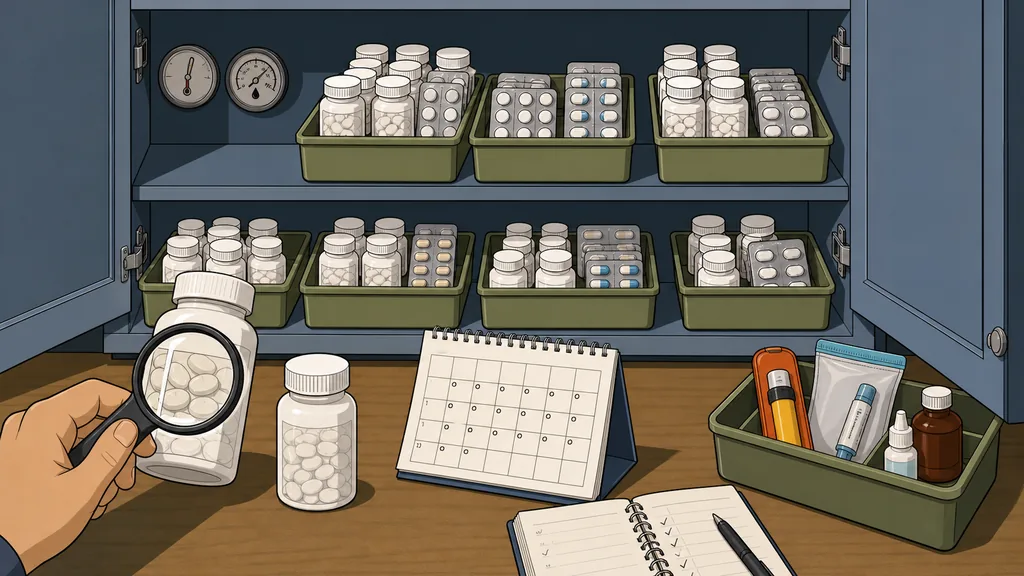
The date on the bottle is a conservative manufacturer guarantee, not the day the drug dies. The U.S. military has spent decades proving it — with a short list of exceptions that genuinely matter.
 Primer
The best-stocked bag is worthless in the ninety seconds you can't reach it. That's the case for EDC — the layer that's on your body when everything else is out of reach.
 Primer
An internet or telecom outage has four common causes and one common fix: a little cash, a second path online, and the things you need saved where the network can't take them.
 Primer
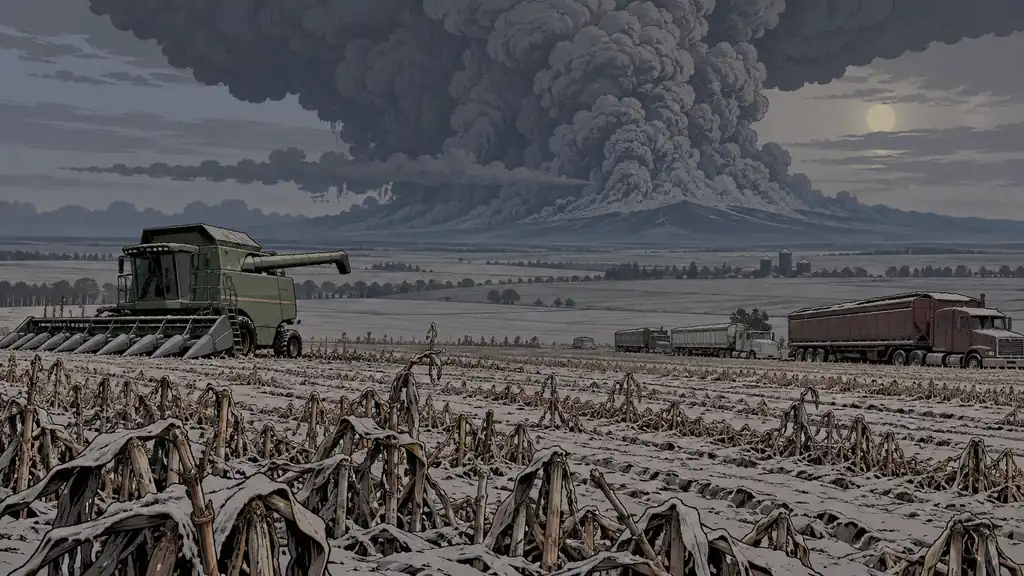
The danger isn't lava; it's a volcanic winter that cools the whole planet and shortens harvests worldwide. The odds are tiny, and the only sane hedge is prep you already do.
 ★ FeaturedDeep Dive
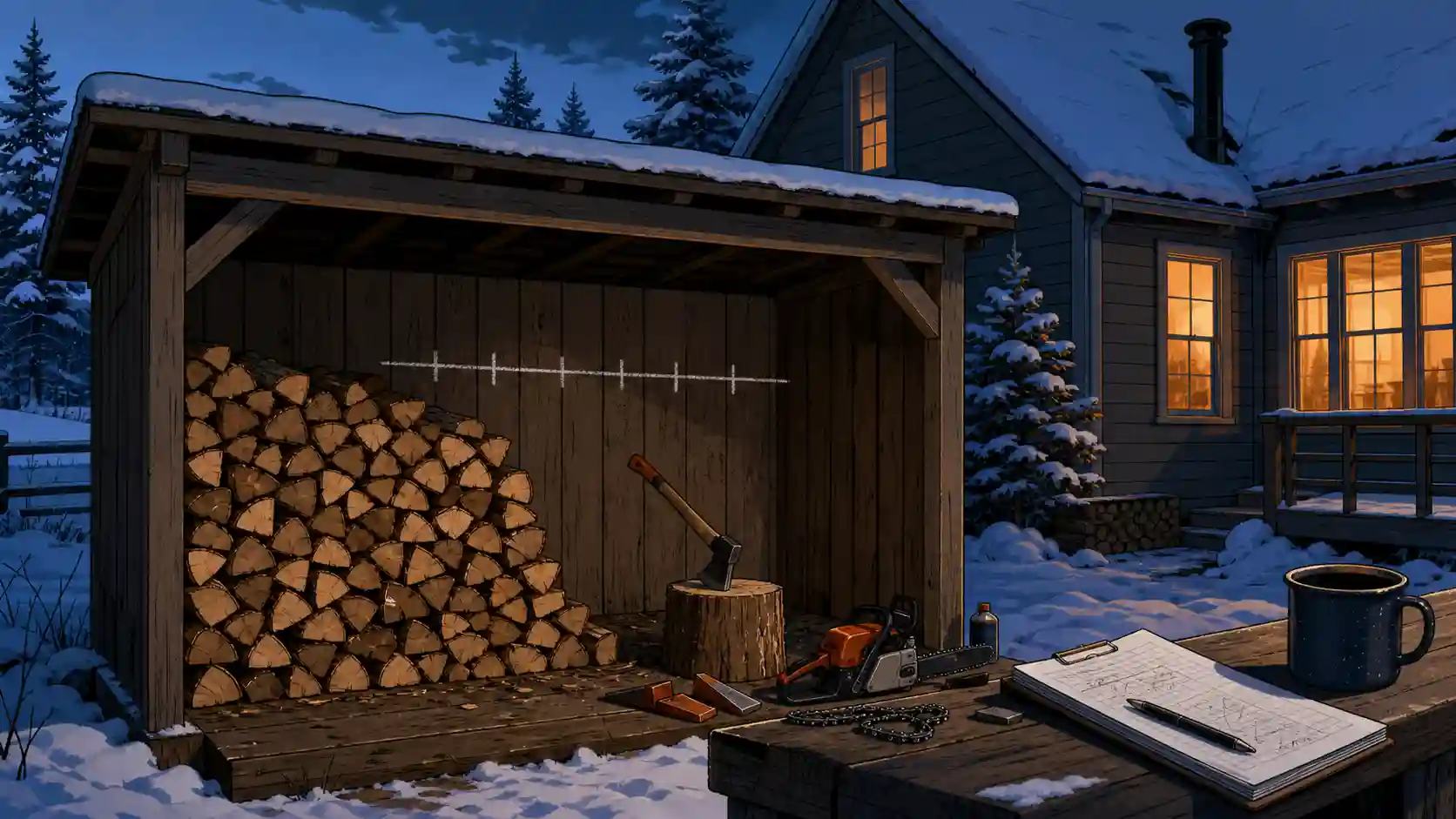
Buying the stove first is backwards. Work out the BTUs your house actually needs for a winter, and the fuel decision makes itself.
 Primer
Normalcy bias isn't stupidity. It's the brain's default assumption that tomorrow will look like today. It's also the single biggest reason capable people never prepare — and the cheapest thing to fix.
 Primer
A shock to oil or gas raises fuel, heat, power, and groceries together, for months. Efficiency, a fuel reserve, and a budget cushion take most of the sting out.
 Primer
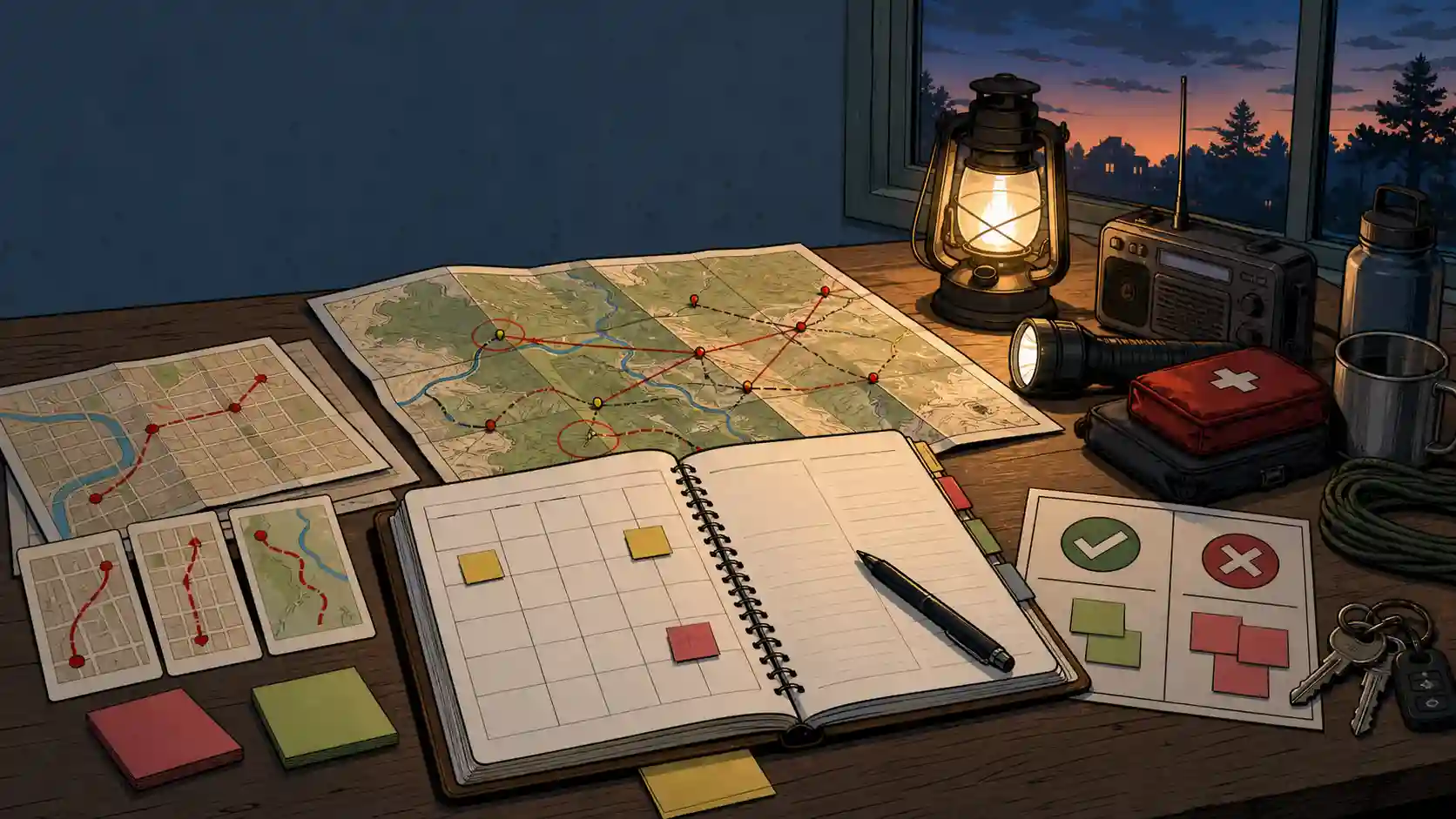
Why plans and planning are the core of preparedness — and how SMART goals keep you from becoming the Energizer Bunny of prepping.
 Primer
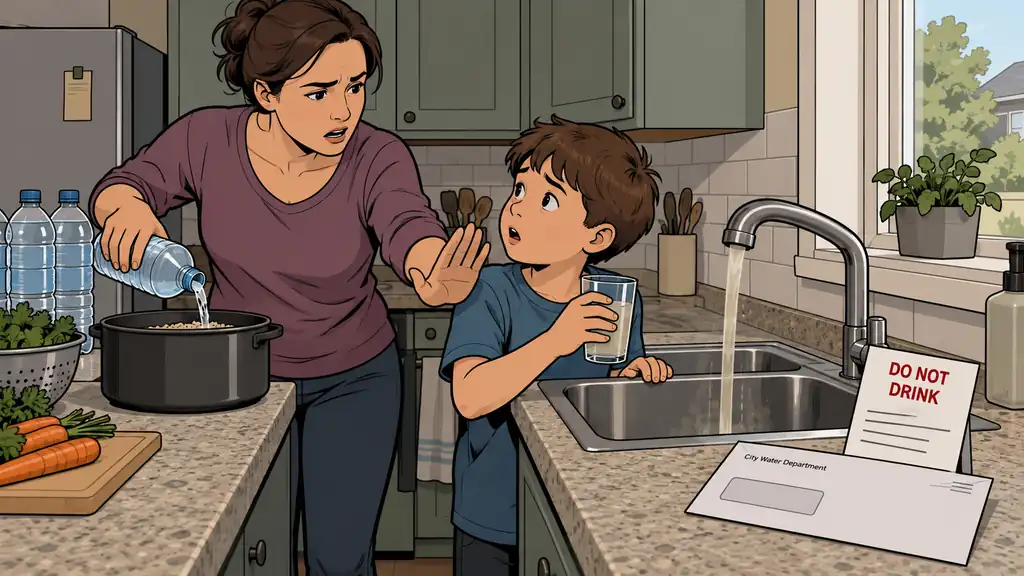
A precautionary advisory is noise. Real contamination — germs or chemicals — needs stored water and the right treatment, because boiling only solves half the problem.
 How-To
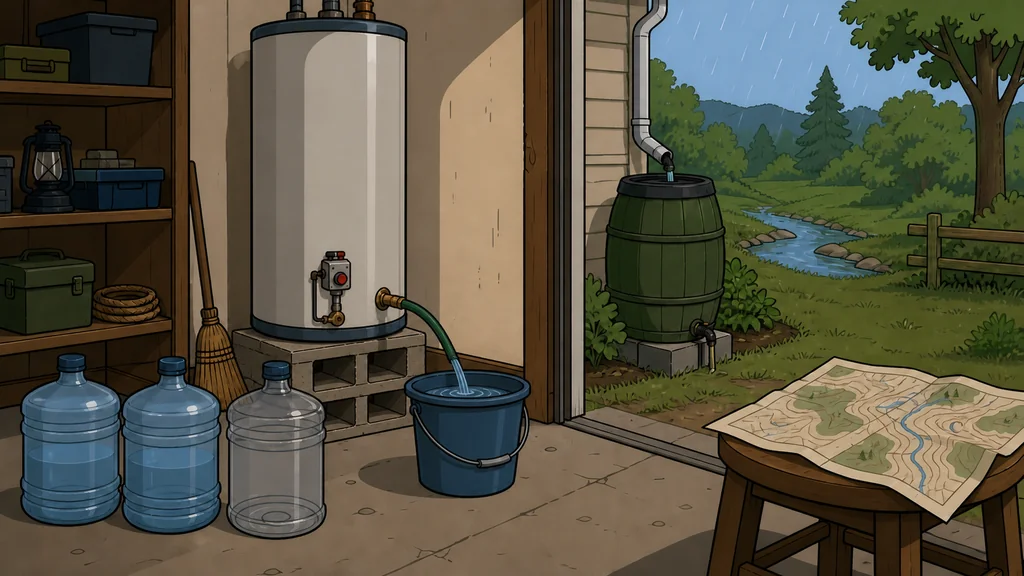
A stored supply buys you days. What carries you past it is knowing the water already in your house — and the sources around you — before you need them.
 Deep Dive
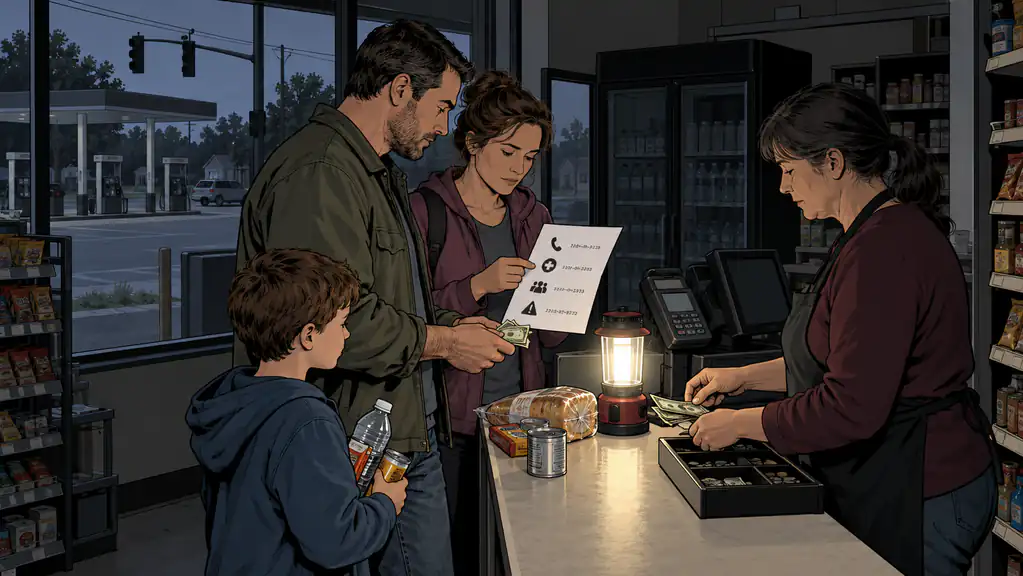
A cyberattack on the grid or the banks lands on your house as a plain outage. Prep for the outage — plus the two things a storm doesn't take: cash and your data.
 ★ FeaturedEditorial
Everyone dies. Preparing for where you'll go is the most important preparation anyone can make.
 Editorial
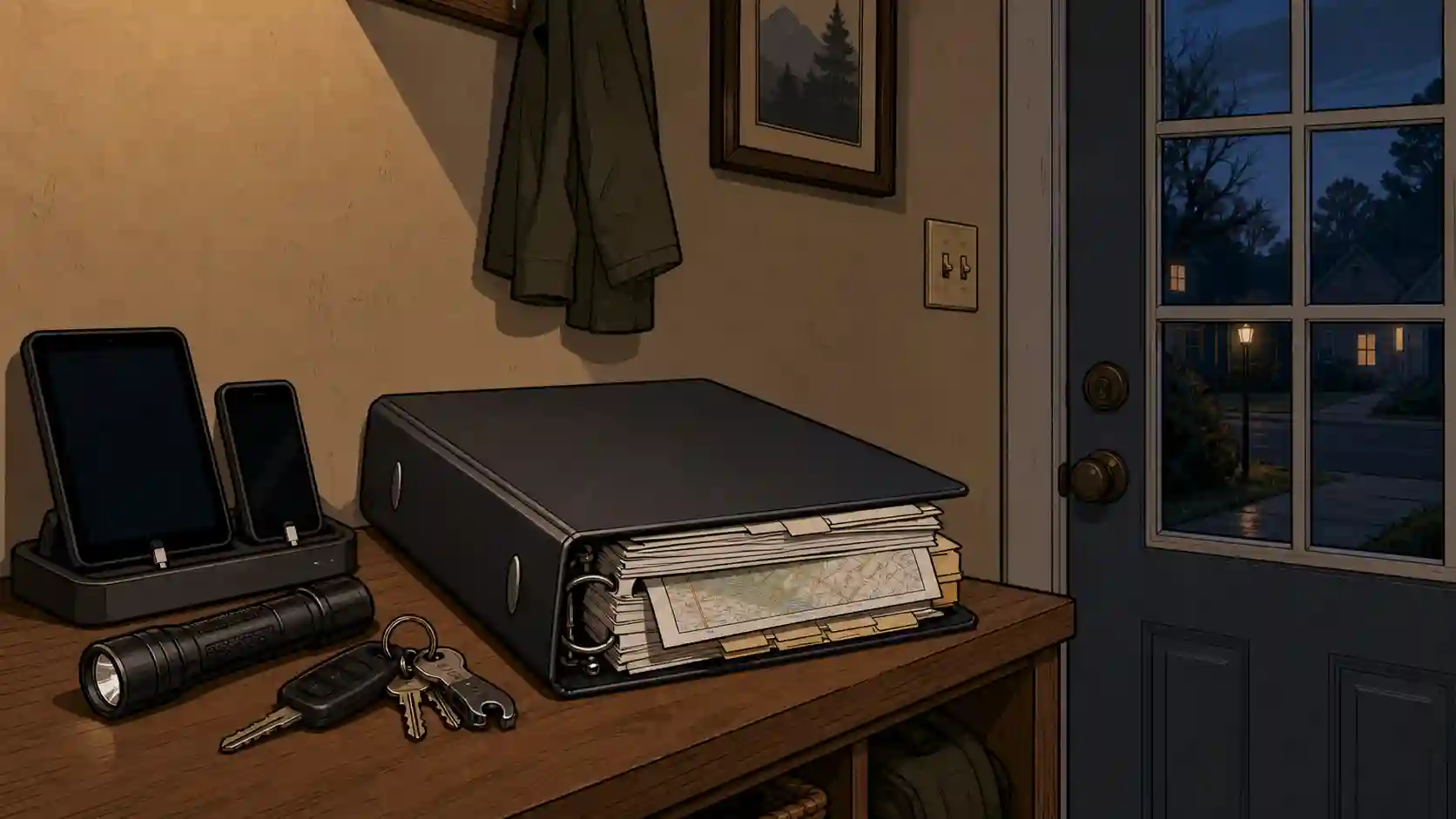
When the grid is down, your phone is dead, and the router is cold, the binder on the shelf still works. Why paper belongs in every prepared home.
 Reality-Check
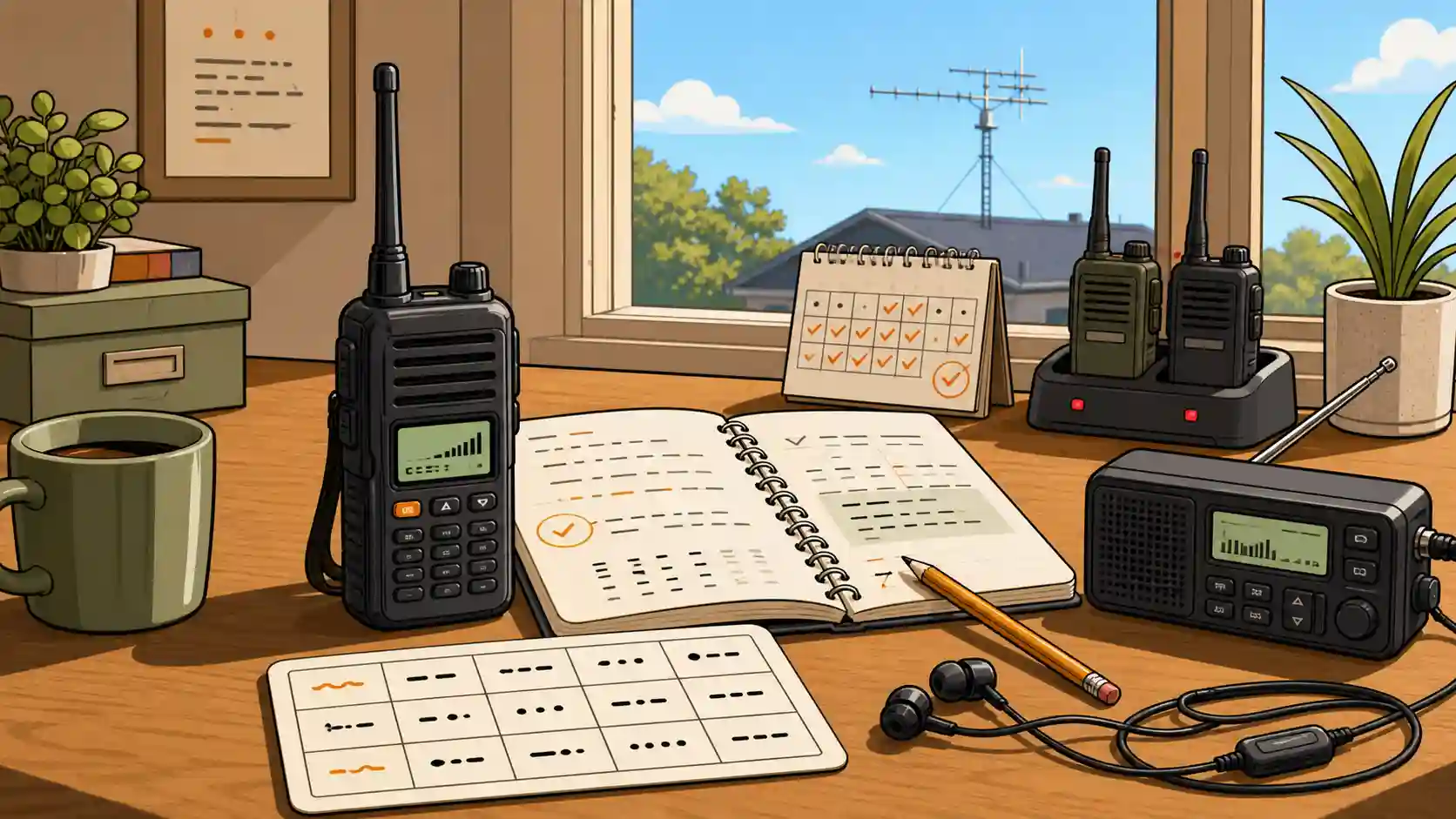
In a real emergency, US law lets you use any frequency to get help — the license is meaningless. It matters for the 99% of the time that isn't an emergency, because a radio you've never practiced with is a paperweight.
 Deep Dive
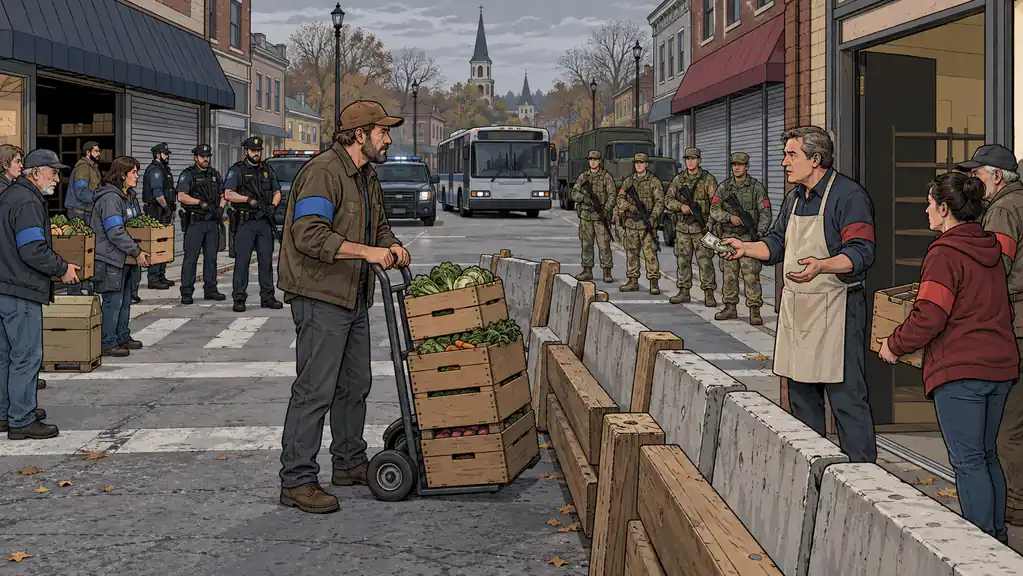
Internal conflict isn't a lightning strike. It's a process with named stages, four hard criteria, and a tipping point you can measure — which means it can be read early, if you know what you're looking at.
 Reality-Check
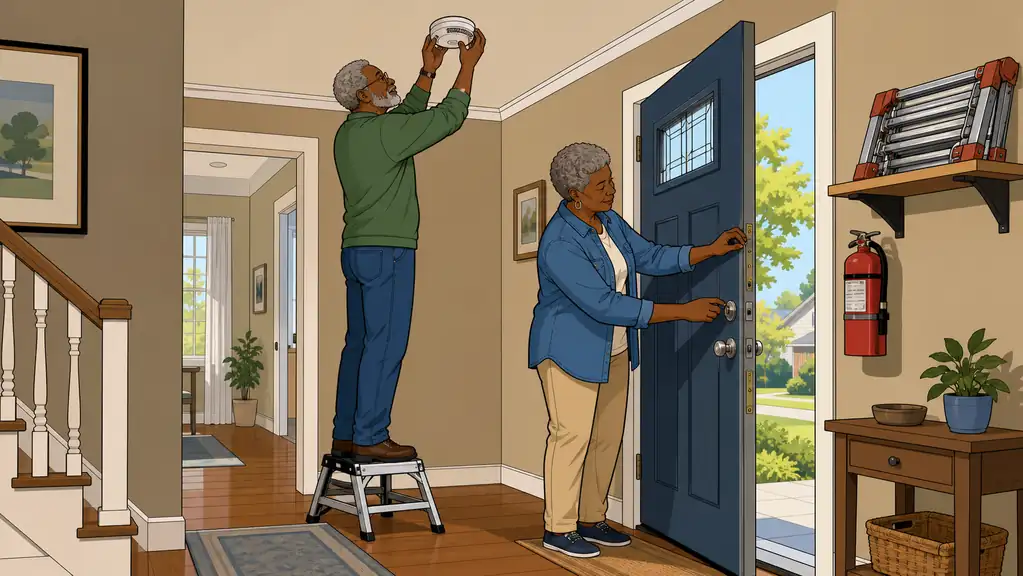
Home-hardening fantasies start with buried concrete and never get built. The house you own is already most of a shelter — hardened in the order the threats actually arrive.
 Primer
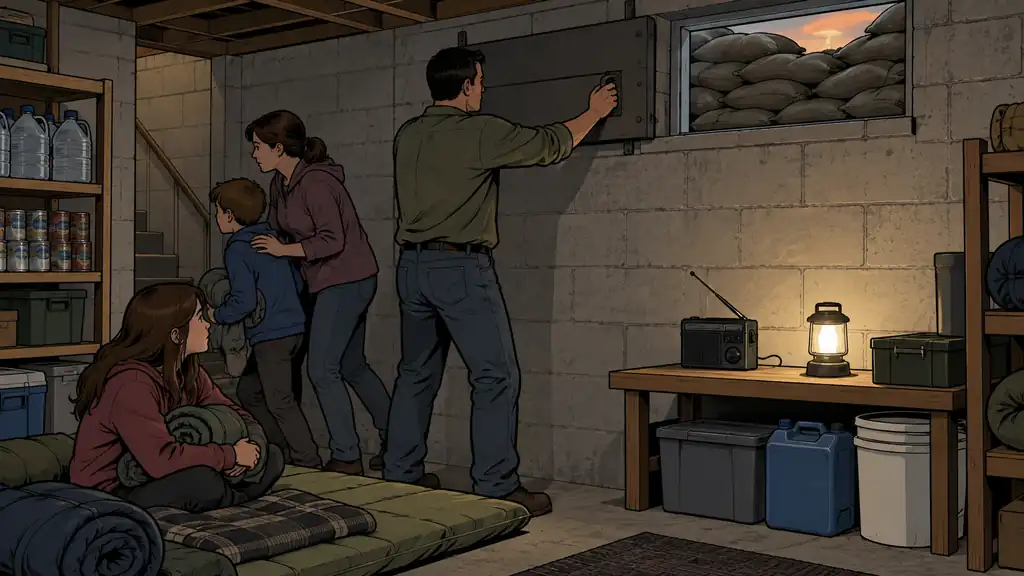
A detonation is three different problems — blast, heat, and fallout — with three different answers. Fallout reaches the most people and is the one you can most defeat, with shielding and time.
 How-To
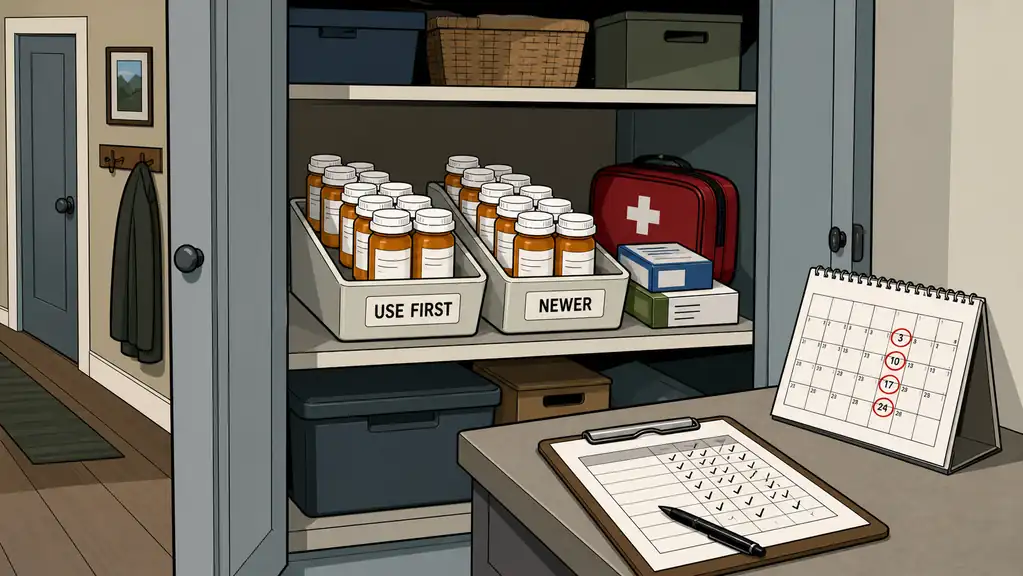
A pharmacy you can't reach is a quiet emergency — here's how to bank a buffer of your prescriptions legally, without hoarding.
 Reality-Check
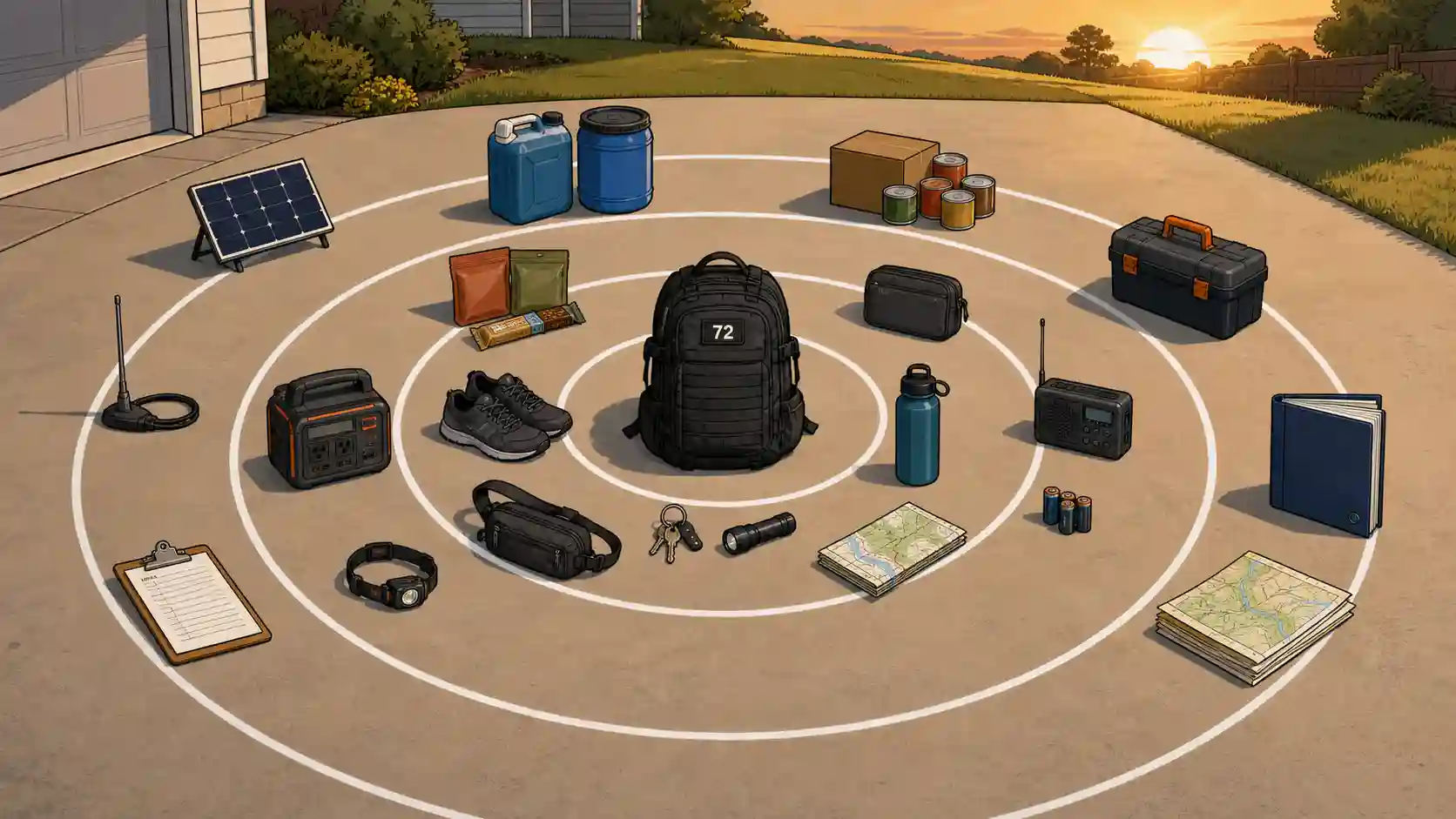
The three-day kit is a useful first step and a terrible finish line. Here's what comes after it — and why most lists stop right where the work begins.
 Primer
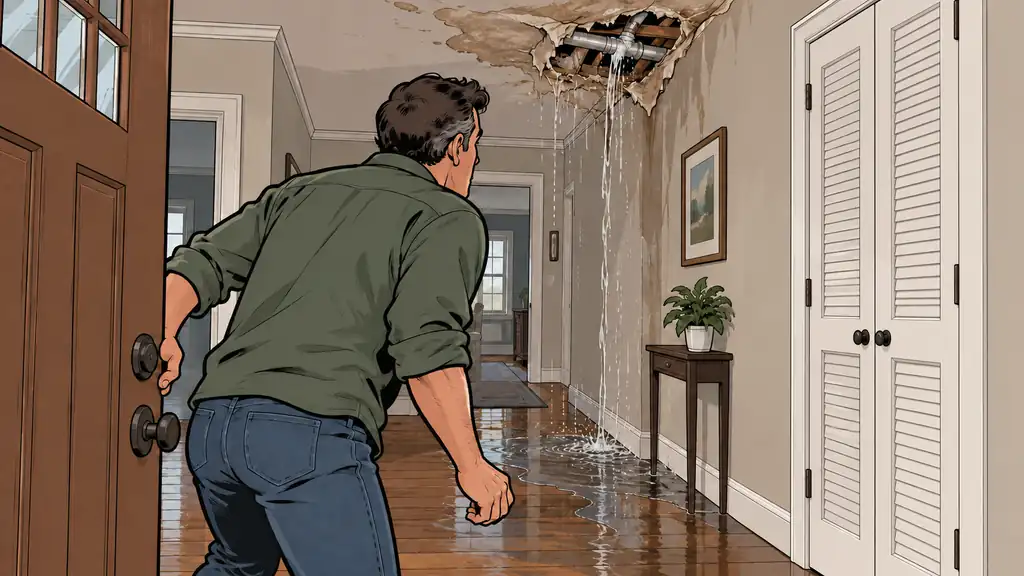
Water damage is nearly universal and mostly preventable. Cut the odds of a failure, then cut the minutes between the failure and the moment you shut it off.
 Primer
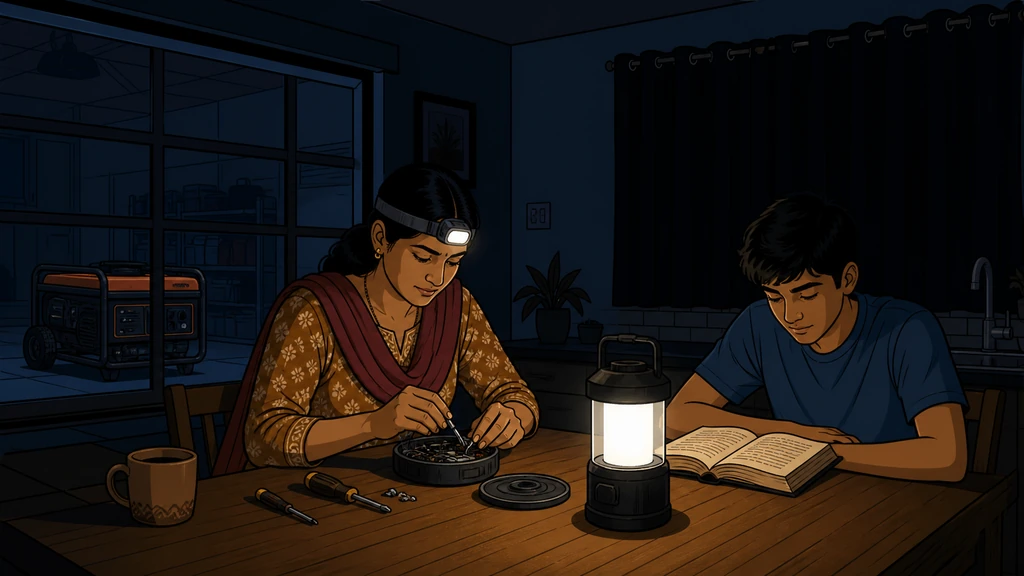
People pour money into the generator and forget the flashlight. Yet darkness is the one certainty in every outage — and covering it costs almost nothing.
 Primer
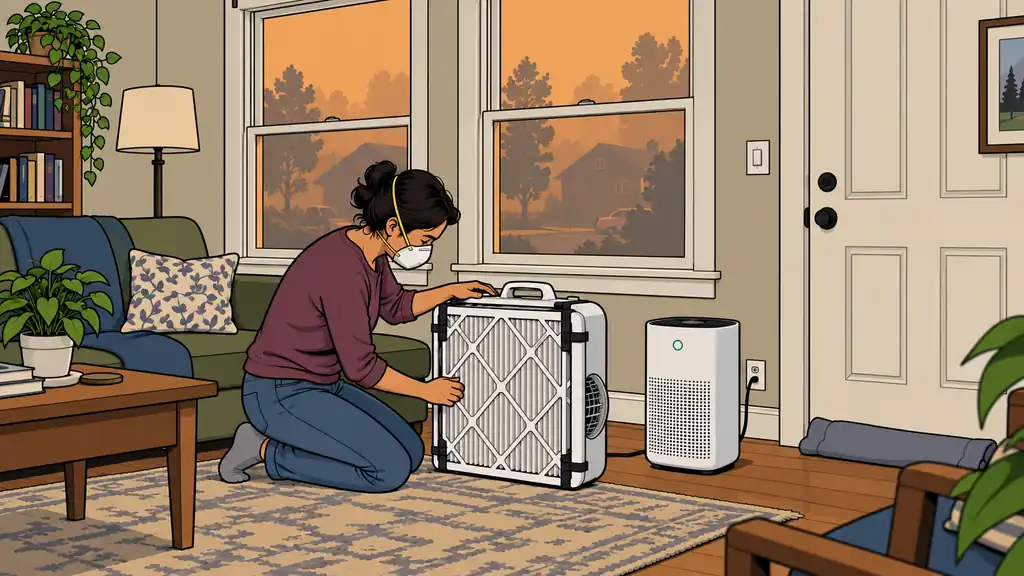
Across much of the country wildfire is now an annual two-part problem: weeks of bad air you'll almost certainly use your kit for, and one fast evacuation that has to work the one time it matters.
 Primer
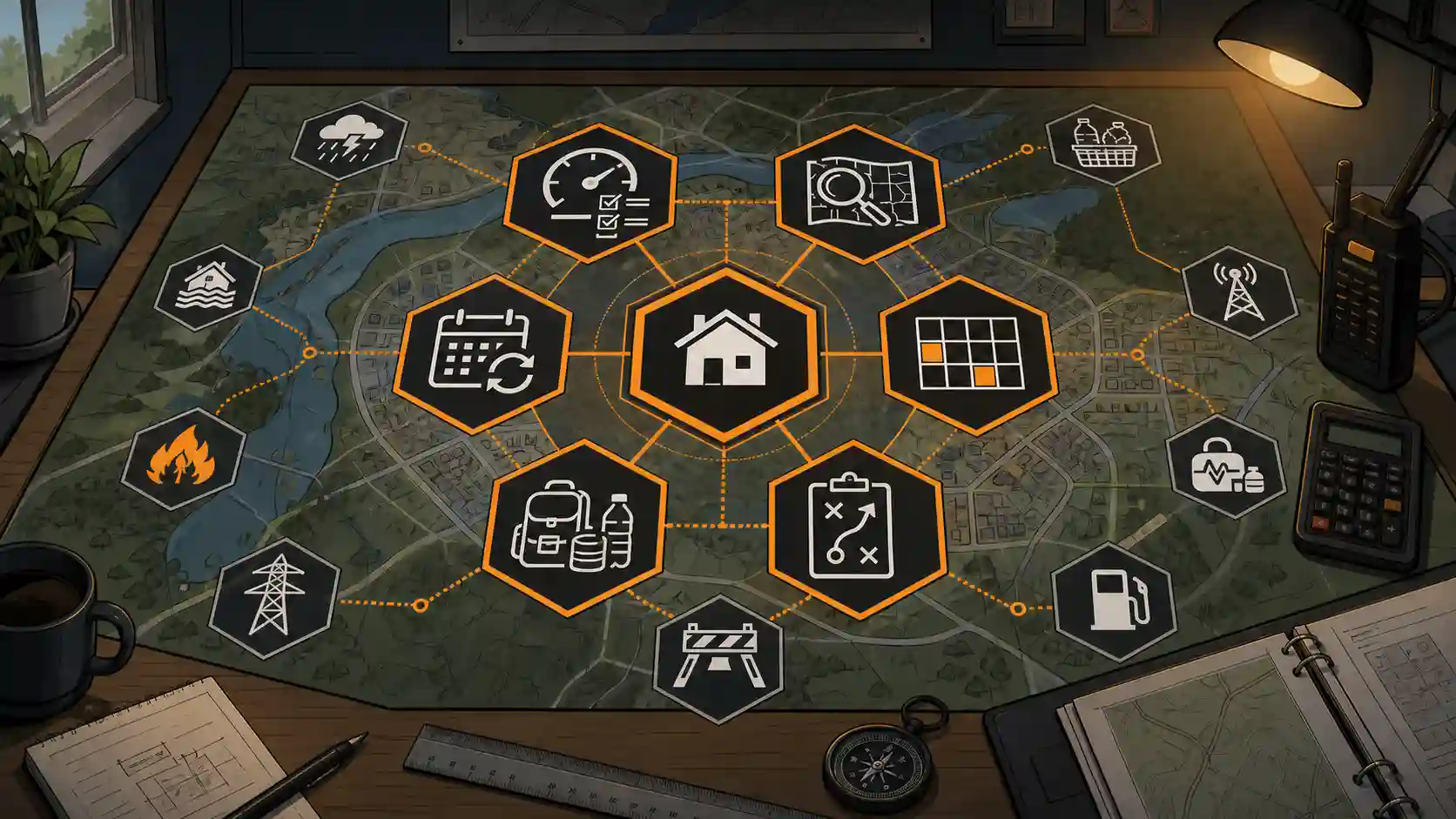
What the Ultimate Preparedness Framework™ is and where it came from — military area studies, adapted by an engineer, then built into this site as six steps.
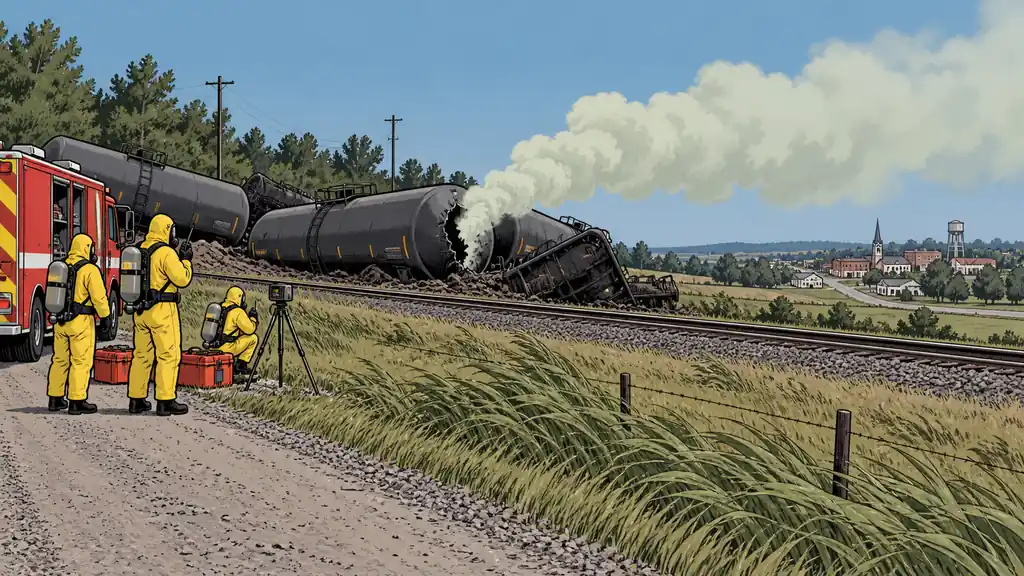 Primer
A derailment forces one of two opposite moves under time pressure. Knowing which, and being ready for both, is the whole preparation.
 Primer
It's not a blast or fallout. It's a cold, dark, food-scarce world lasting years, and the only real hedge is the deepest version of the food, heat, and community you're already building.
 Deep Dive
The bible lays out a series of 21 events that will occur during this period. They will create mass death and destruction across the earth.
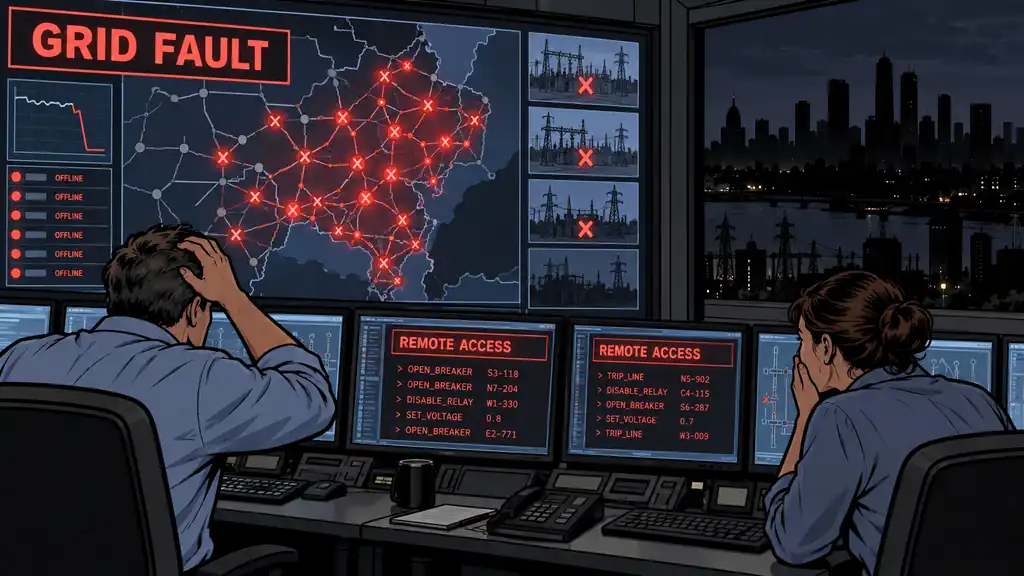 Primer
The grid, the banks, the phones, the water — those are the targets, and they fail as plain outages. The one twist a storm doesn't have: your money can stop working while the lights stay on.
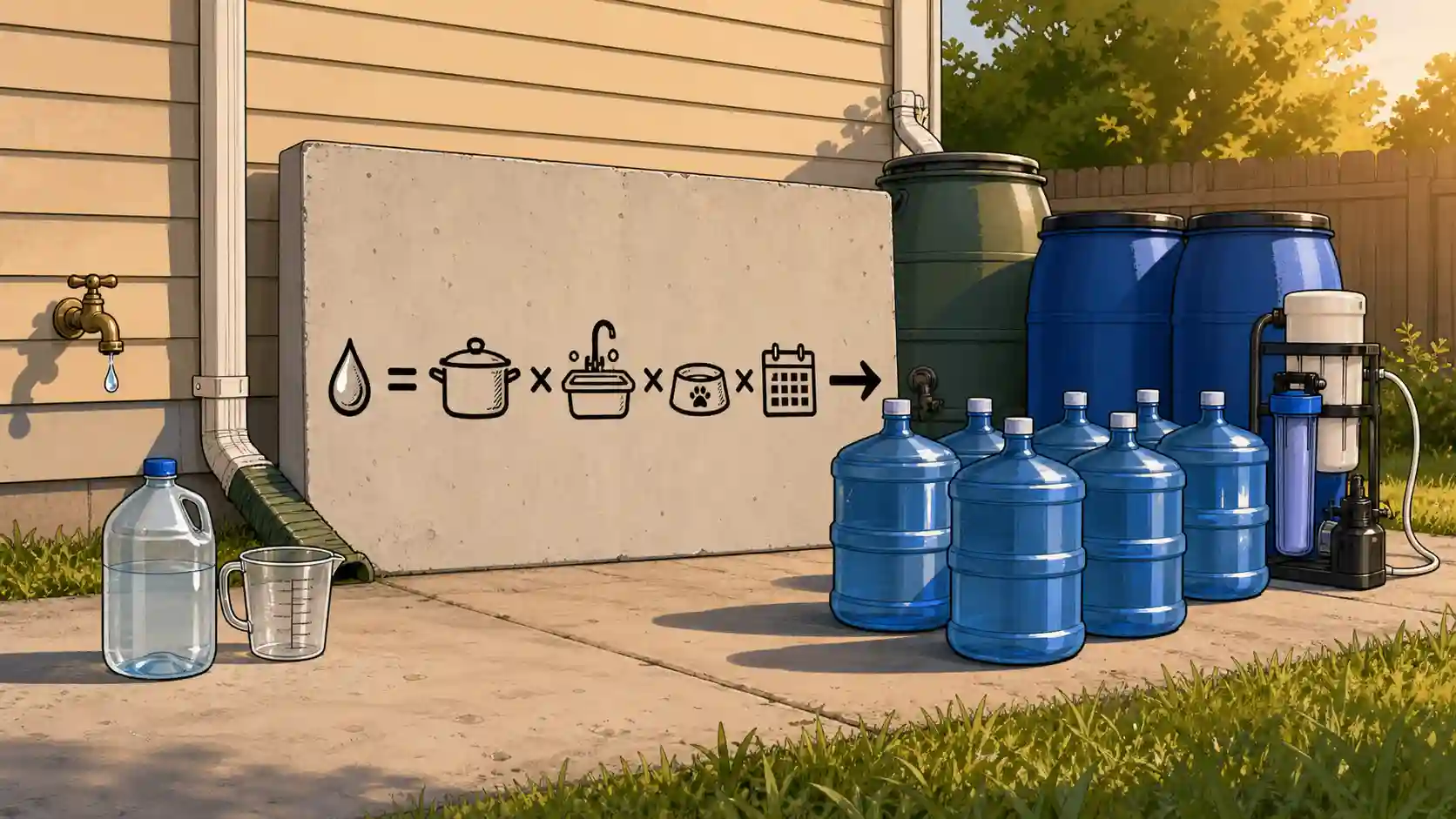 ★ FeaturedReality-Check
One gallon per person per day is the floor for drinking and cooking. Add sanitation and you need two to three times that. Here's how to compute the real number for your household.
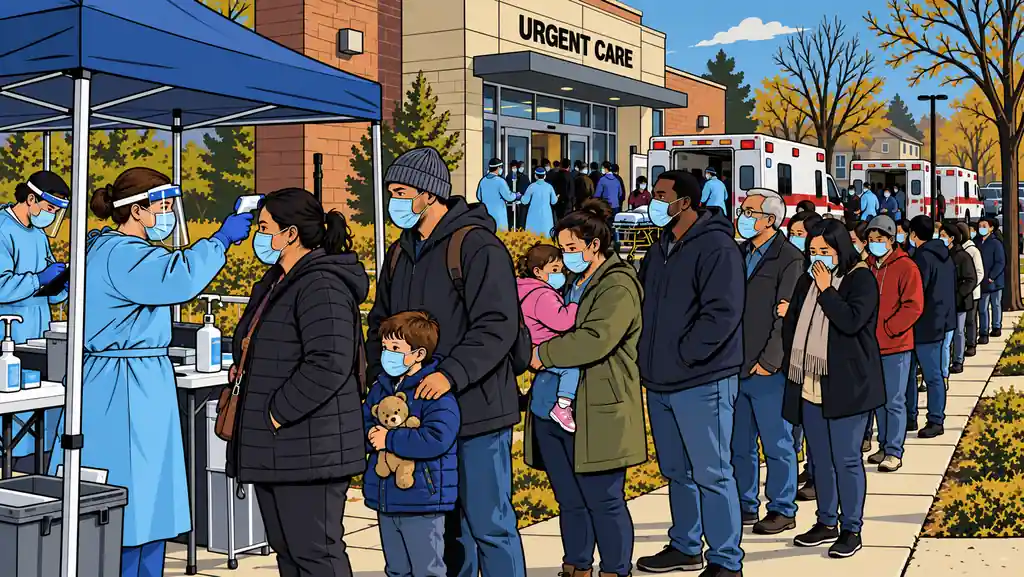 Primer
A regional outbreak barely touches the household that can stop leaving the house for a few weeks. Everything here is about building that one capability — cheaply, before the rush.
 Primer
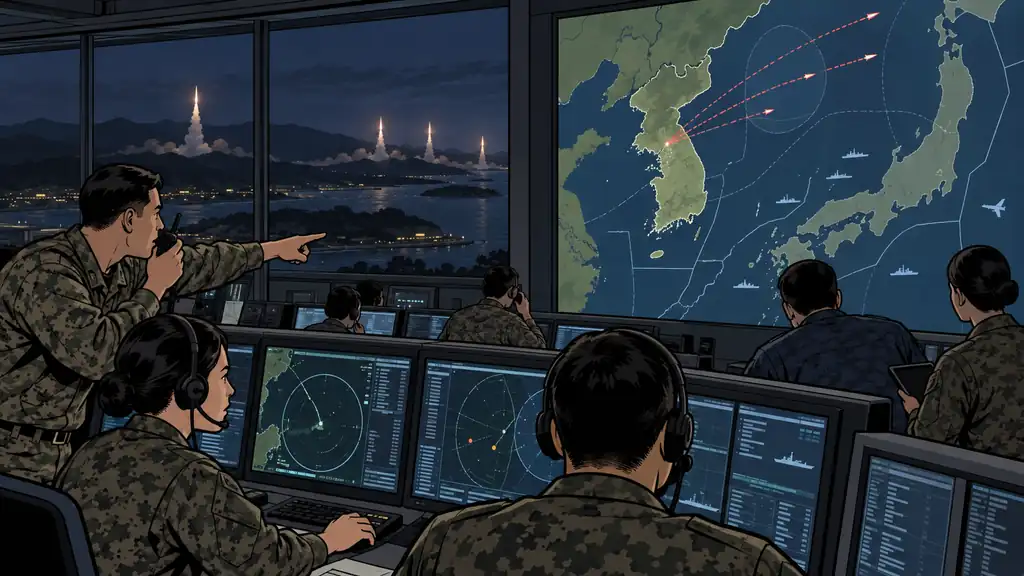
The 'backward little country' most people wave off can now reach the United States with a nuclear-tipped ICBM. Here's what actually changed, and what a household should do about a low-odds, high-impact threat.
 ★ FeaturedPrimer
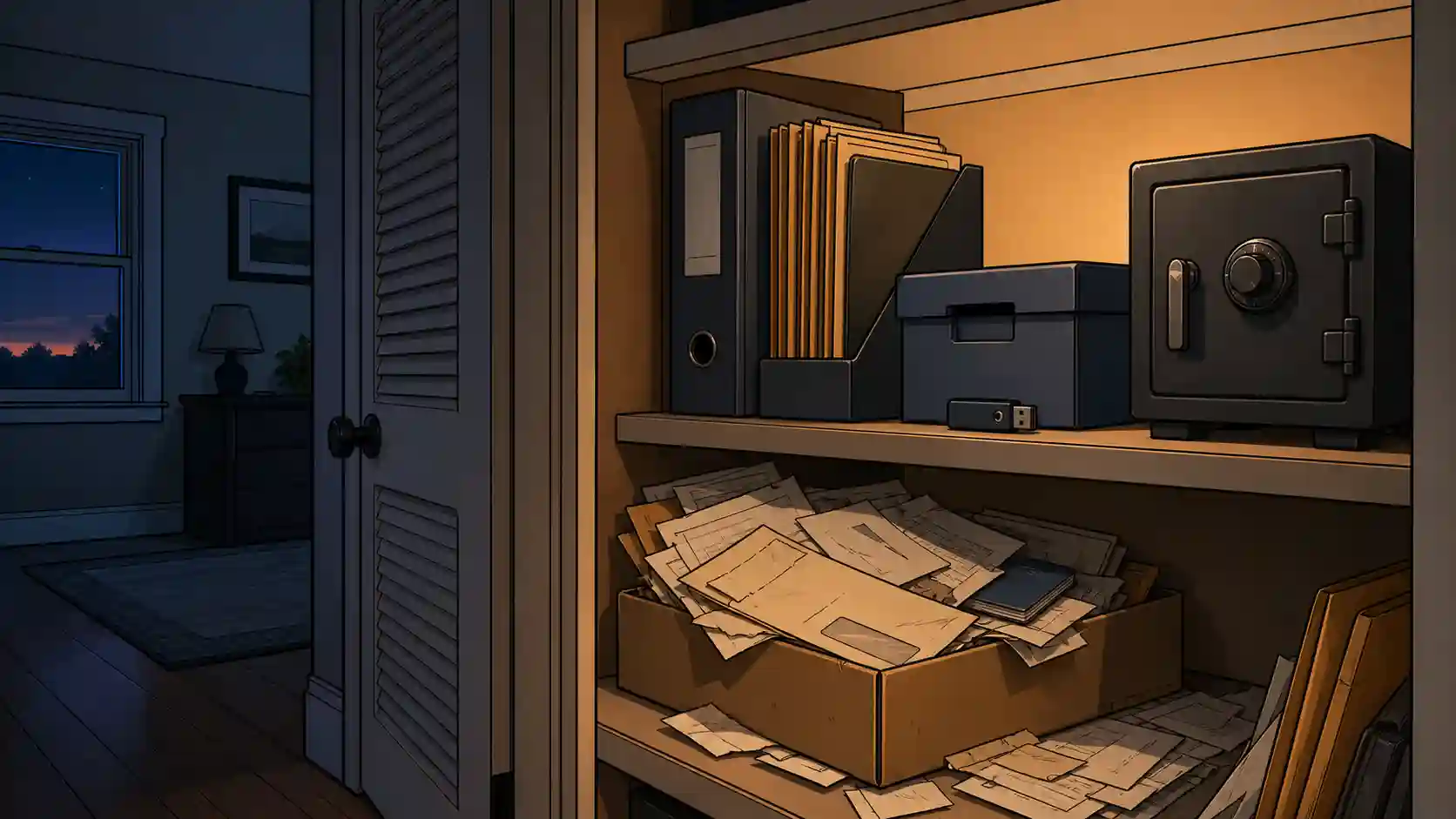
It's free and needed for almost any threat you can imagine, but it's the one prep nearly everyone misses.
 Primer
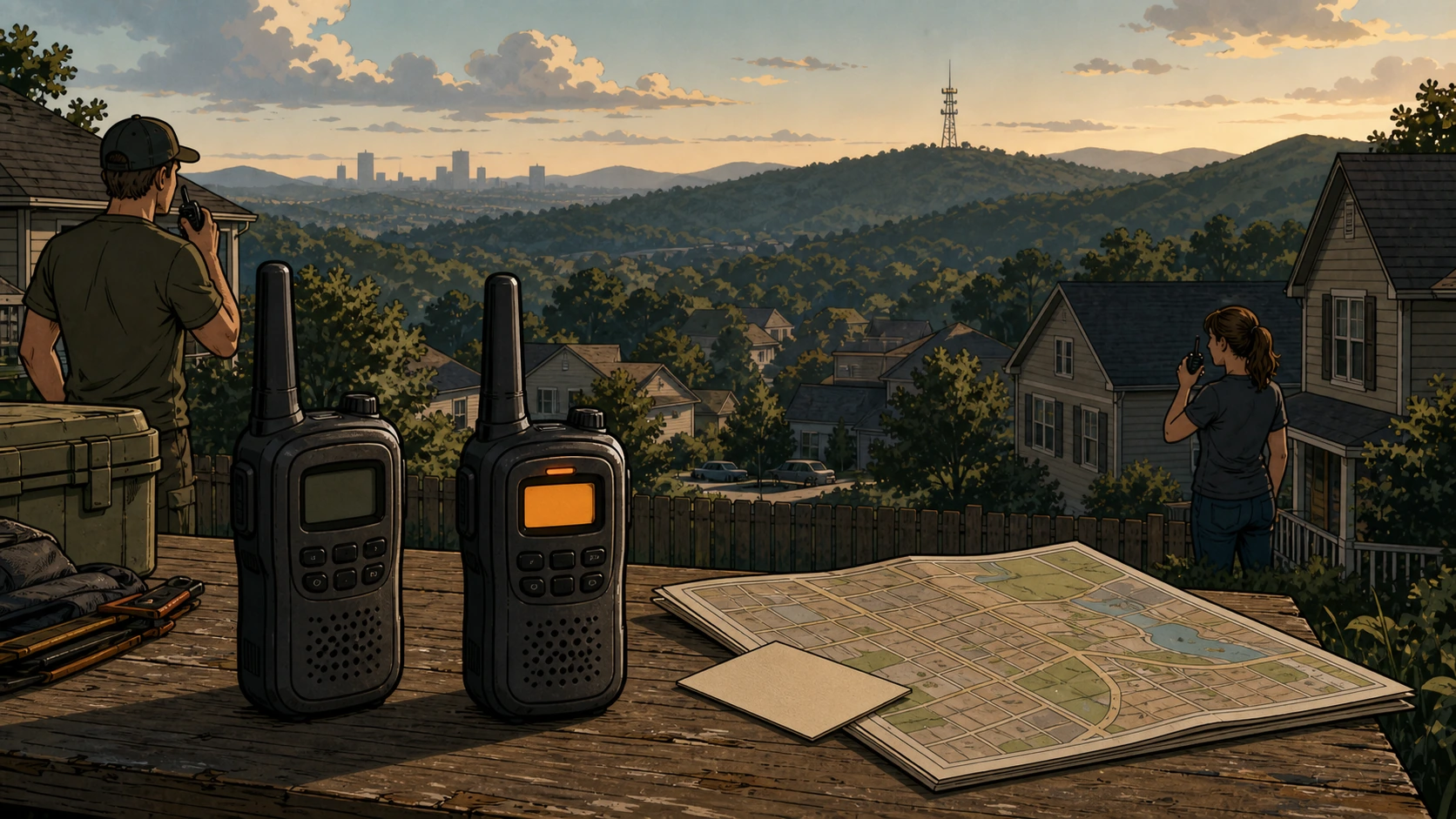
Even if you're not sure what FRS or GMRS is, it's likely that you've used these radios in the past (and most likely illegally). Let's fix that.
 How-To
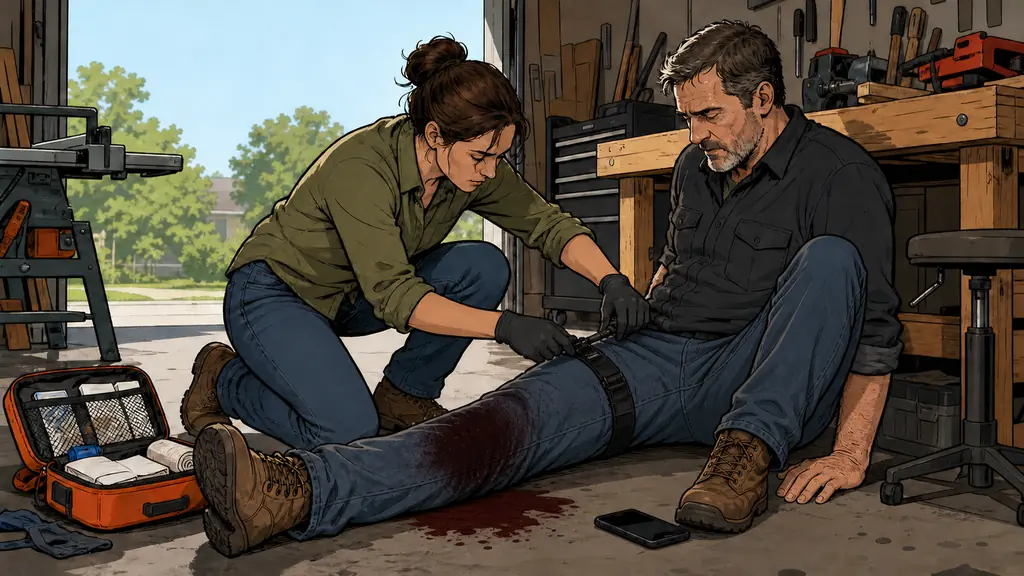
A major bleed kills in minutes. The ambulance takes longer than that. Of everything in the medical category, this is the one skill where being the person on scene is the whole job.
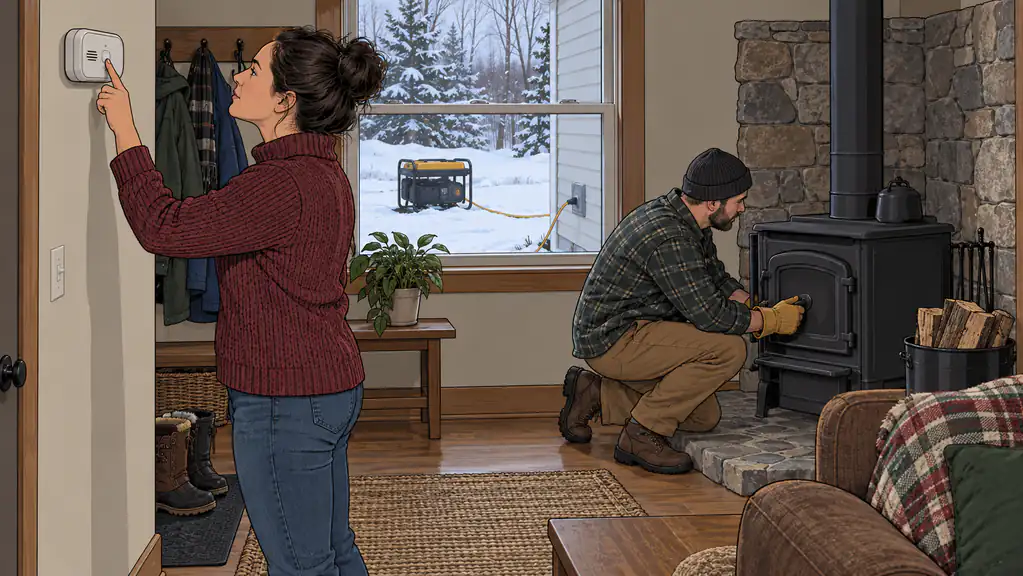 Deep Dive
The gas that kills spikes at the exact moment you reach for backup heat. Plan the exhaust with the same care you planned the warmth.
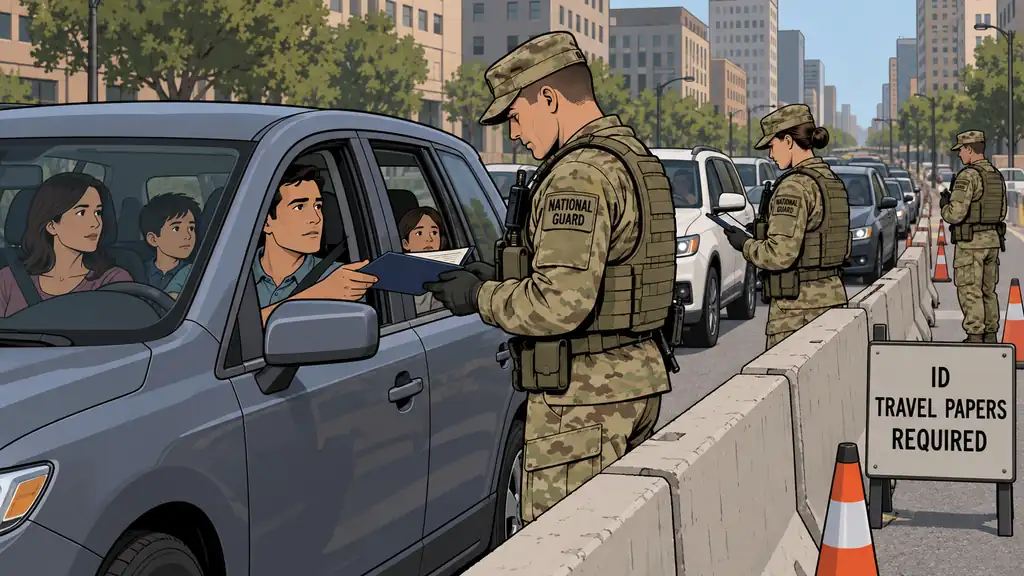 Primer
This threat hits your movement and your normal life, not usually your survival. The prep that works is organized papers, a backup way to talk, and knowing the rules.
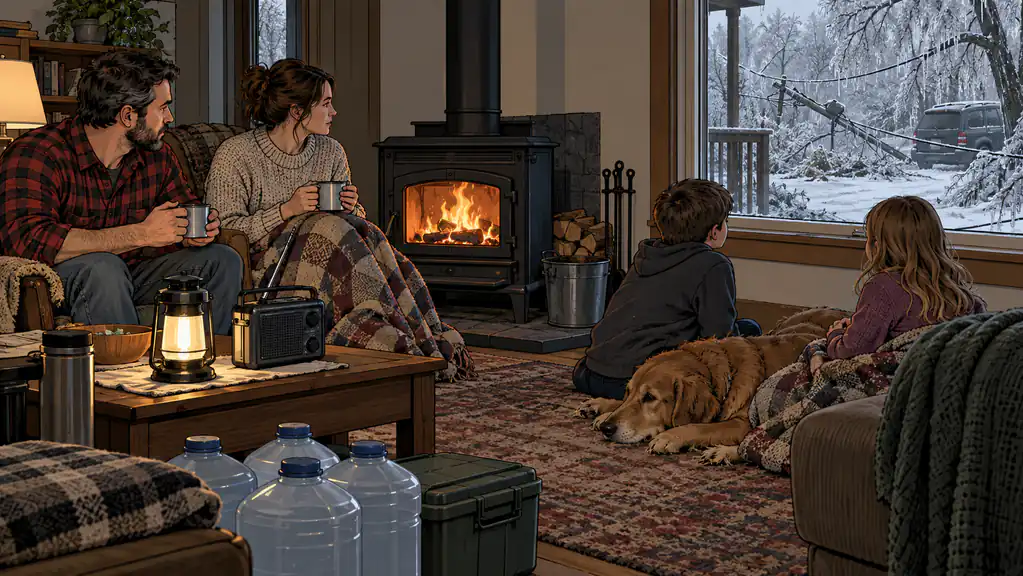 Primer
Snow is a travel problem. Ice is a survival problem: it knocks out the grid, freezes your house, and glazes the roads all at once, for days. You need a second answer to all three.
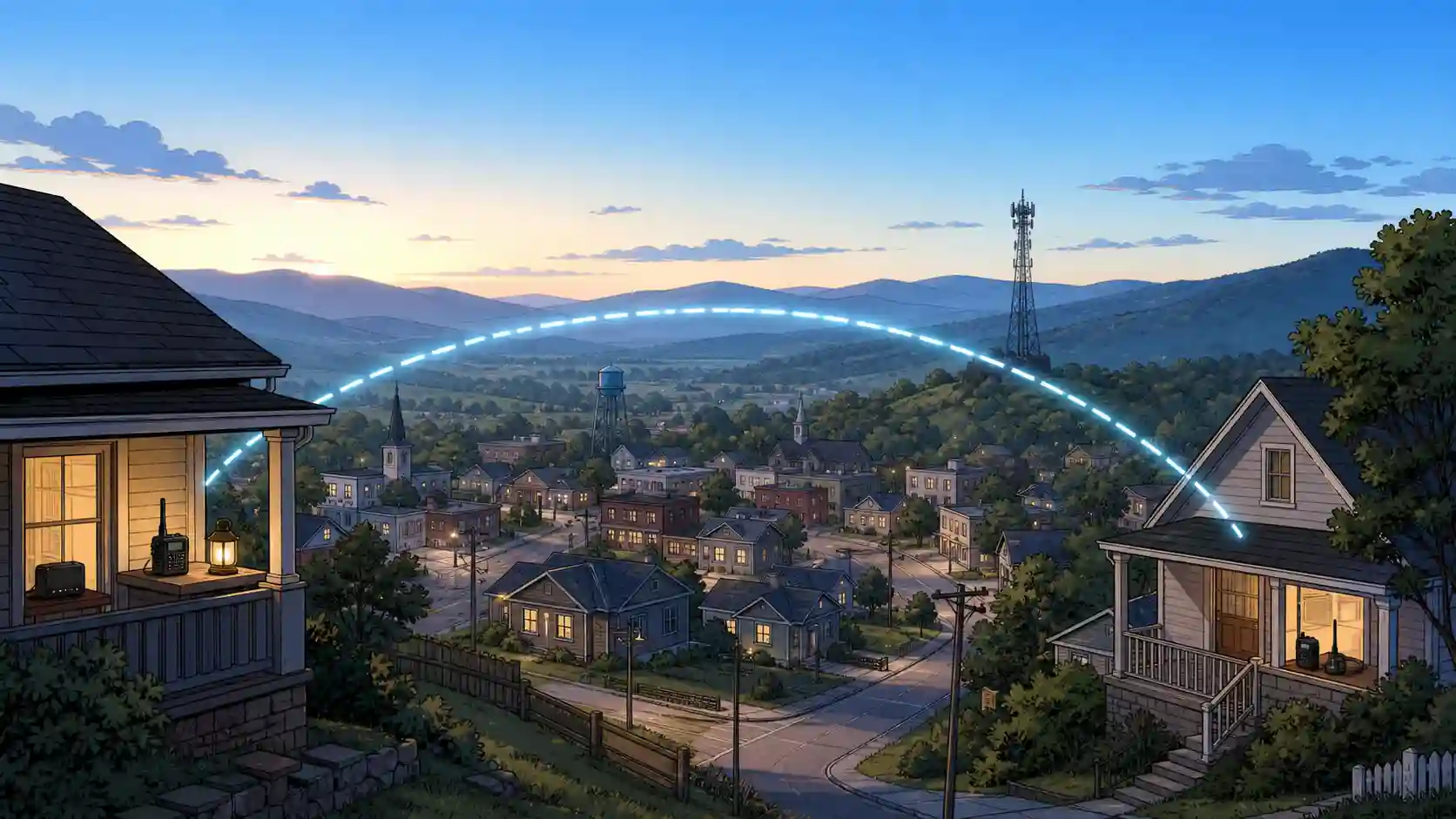 ★ FeaturedPrimer
Every other method you rely on belongs to someone else — a carrier, a tower, a company that can throttle it, lose it, or be told to shut it off. In simplex, radio answers to no one but physics.
 Primer
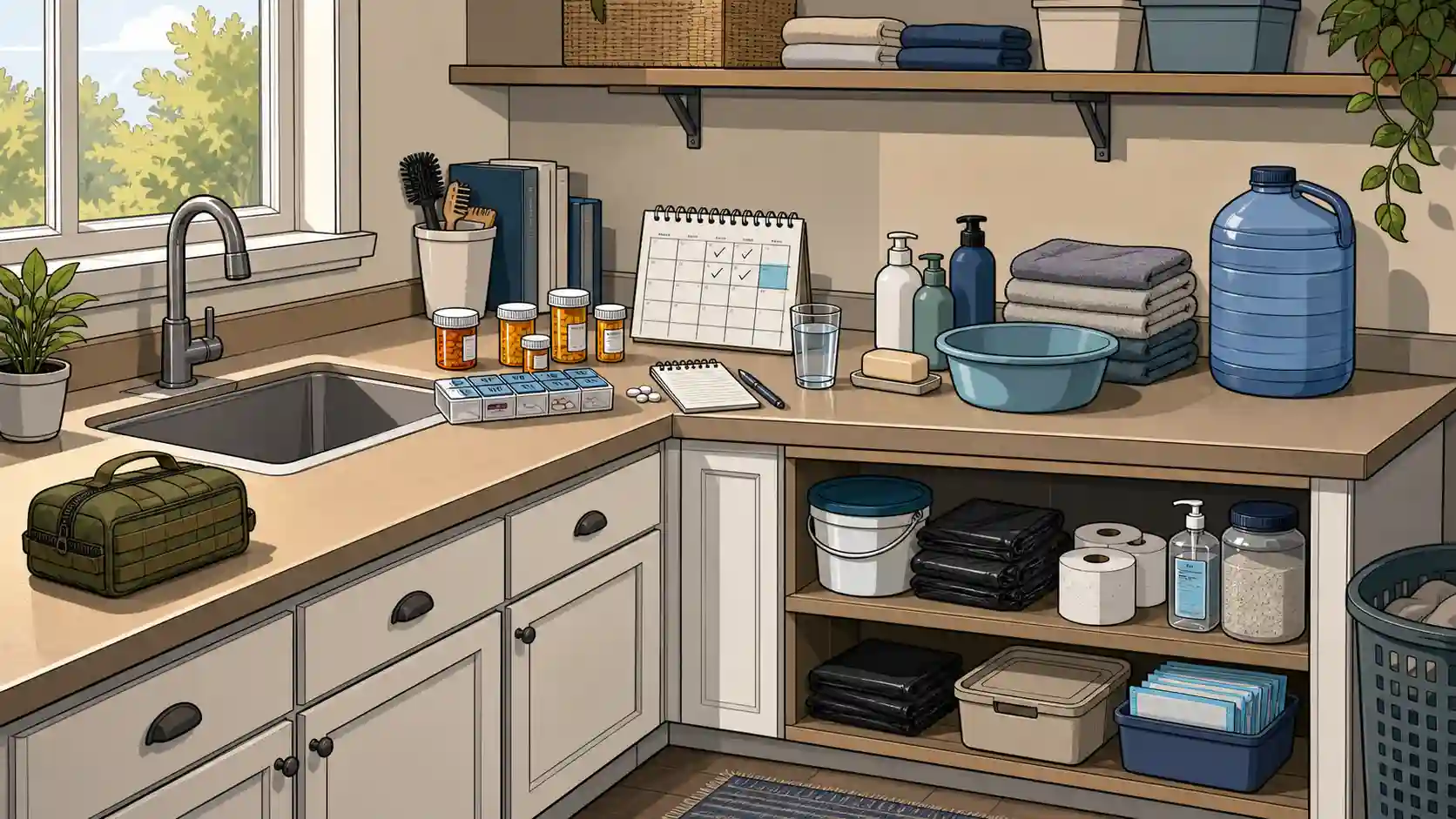
Trauma gear is the fun quarter of this category. The other three quarters — prescriptions, washing, and waste — are the parts that actually decide how a long emergency goes.
Try clearing a filter or broadening your search.
The Ultimate Preparedness Framework walks you from assessing where you stand to a prioritized, tracked plan — one honest step at a time.
Run the county Threat Report — no account, no card — and the system orders everything after it.
A short dispatch — what's developing, what it means, and the one thing worth doing.
